Advertisement
The best road trips along the Silk Road in Uzbekistan


From Tashkent to the Fergana Valley, and all the way to the Aral Sea, experience the Silk Roads with these epic road trips in Uzbekistan © Ozbalci / Getty Images
People have been road-tripping through Uzbekistan for millennia, but until the 20th century, it was horses and camels that were doing the heavy lifting. The Silk Road – not one road but many – was once the world's busiest trade route, transporting silk, tea, metals, porcelain, spices and other precious goods across the mountainous territory dividing Europe from Asia.
Ideas traveled too, as traders dispersed faiths, foods and customs across Central Asia. Menus in Uzbekistan reveal influences from Persia, Türkiye, Russia and China – a legacy of thousands of years of visiting camel caravans and battles for control of trade along the Silk Road.
Today, the roads to Samarkand may be made of tarmac not gold, but there are still some superbly evocative and scenic road trips to be had in Uzbekistan, and getting around Uzbekistan is easy, with some of the best infrastructure in Central Asia.
Trains and shared taxis will get you to every corner of the country, but to roam off the beaten track and explore less-visited historical sites, nothing beats the freedom of hiring a taxi or a car with a driver for a day. For a road trip to remember, it's even possible to rent your own car and drive yourself along the Silk Road.
If you're looking for a road trip with drama, here are the top routes to consider in Uzbekistan.
Advertisement
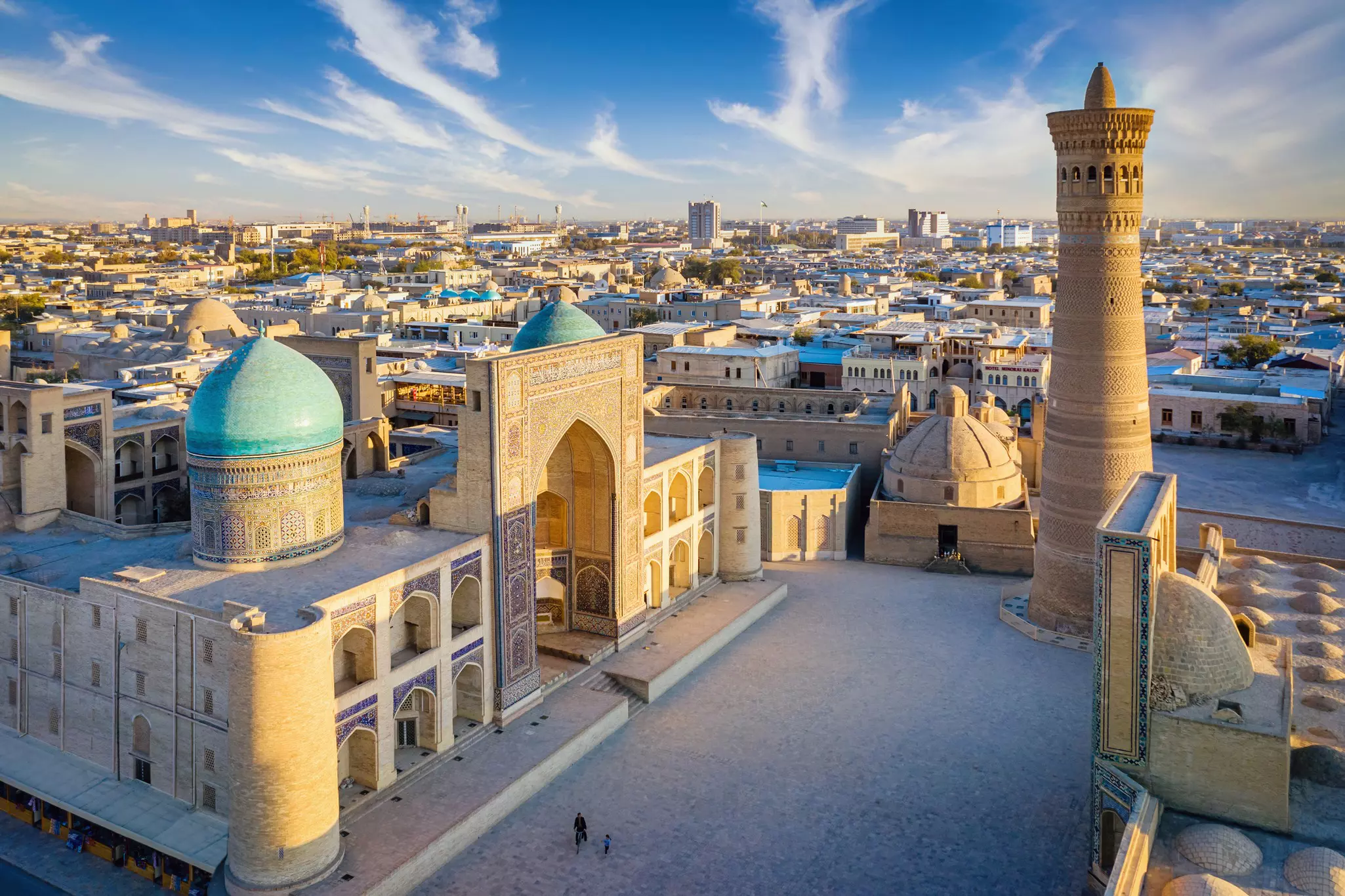
1. Silk Road highlights from Samarkand to Bukhara
Best road trip for Silk Road drama
Start/Finish: Samarkand/Bukhara
Approximate distance: 270km; allow one day
If you’ve ever fancied following in the tracks of camel caravans along the Silk Road, this is the itinerary for you. The roads between Samarkand and Bukhara are in good repair and there are plenty of off-the-beaten-track historical and architectural detours to explore en route, as you travel between two of the Silk Road’s most storied cities.
After spending a couple of days ogling the architectural glories of Samarkand, drive northwest out of the city, stopping to join pilgrims at the Imam Al-Bukhari Mausoleum, then continue along the M37 highway through the oasis-like Zeravshan Valley. Get your first fix of Silk Road nostalgia with a stop at the roadside Rabat-i-Malik Caravanserai, once an overnight stop for trade caravans and dominated by a vast 15th-century portal.
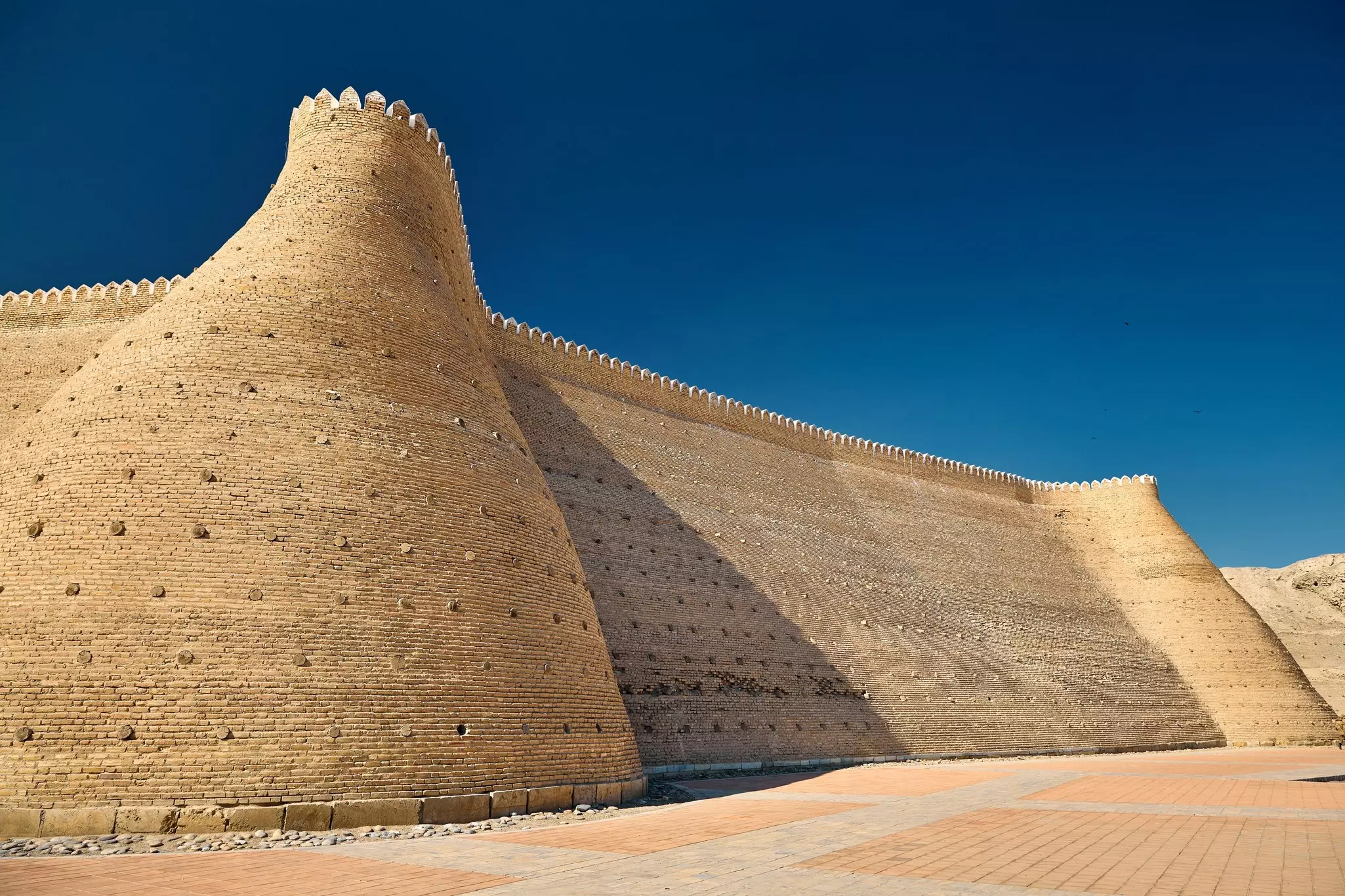
At Gijduvan, an hour or so before Bukhara, stop off to see the 15th-century medressa built by Ulugbek and the nearby pottery workshop of ceramics master, Abdullo Narzullaev. About 15km further down the road, detour 1km off the highway to admire the towering 39m-tall Vabkent Minaret, dating back to 1196 CE.
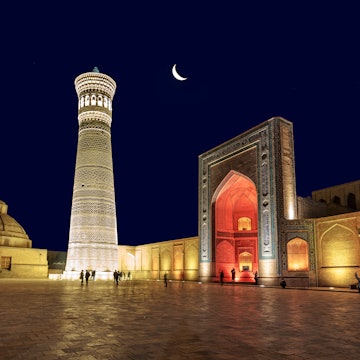
You’ll almost certainly have all these unsung Silk Road sights to yourself, until you rejoin the tourist circuit at handsome, historic Bukhara – Central Asia’s holiest city. On arrival, explore the ruins of the Ark, the former residence of the emirs of Bukhara, and soak in the grandeur of the Kalon Mosque and its towering minaret – probably the tallest building in Central Asia when it was built by Arslan Khan in 1127.
Planning tip: An excellent alternative return route from Bukhara back to Samarkand will take you via the ancient Hepthalite city of Erkurgan – the highway runs straight through the ruined city walls – to the historic city of Qarshi, with its medieval medressas, mosques and epic Soviet-era WWII memorial.
2. Exploring Surkhandarya
Best road trip for getting off the beaten track
Start/Finish: Samarkand/Termez
Approximate distance: 380km; allow two days
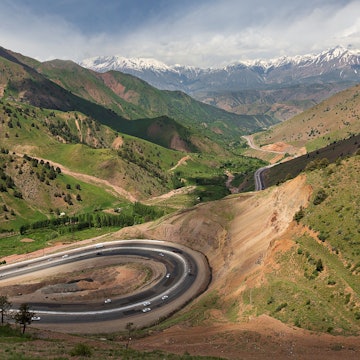
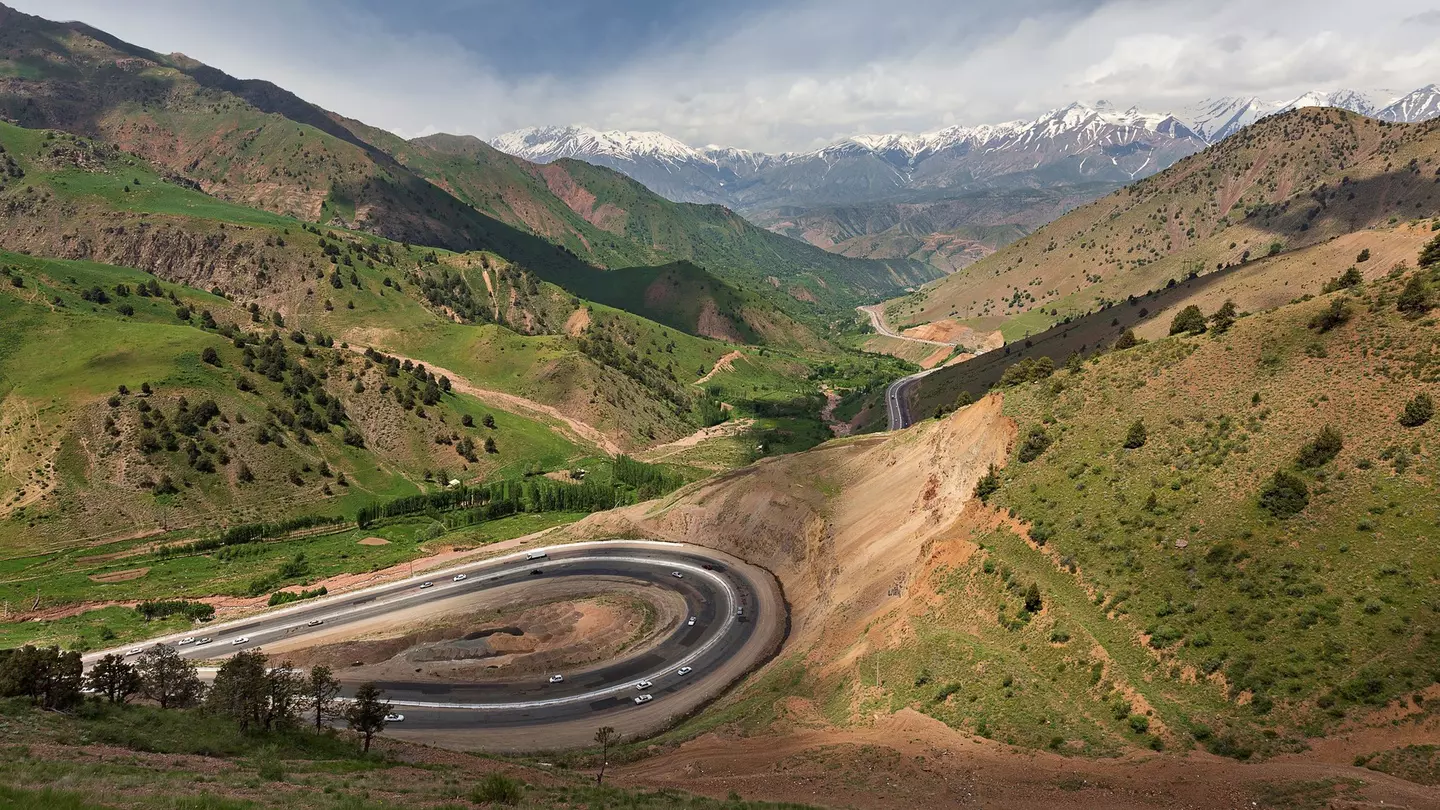
For a journey deep into Silk Road history, consider the 2-day trip from Samarkand to Termez. It’s an exciting, zigzagging drive of around 80km up and over the Kitob (Takhta-Karacha) Pass to reach Shakhrisabz, the home town of 14th-century empire-builder Timur (Tamerlane).
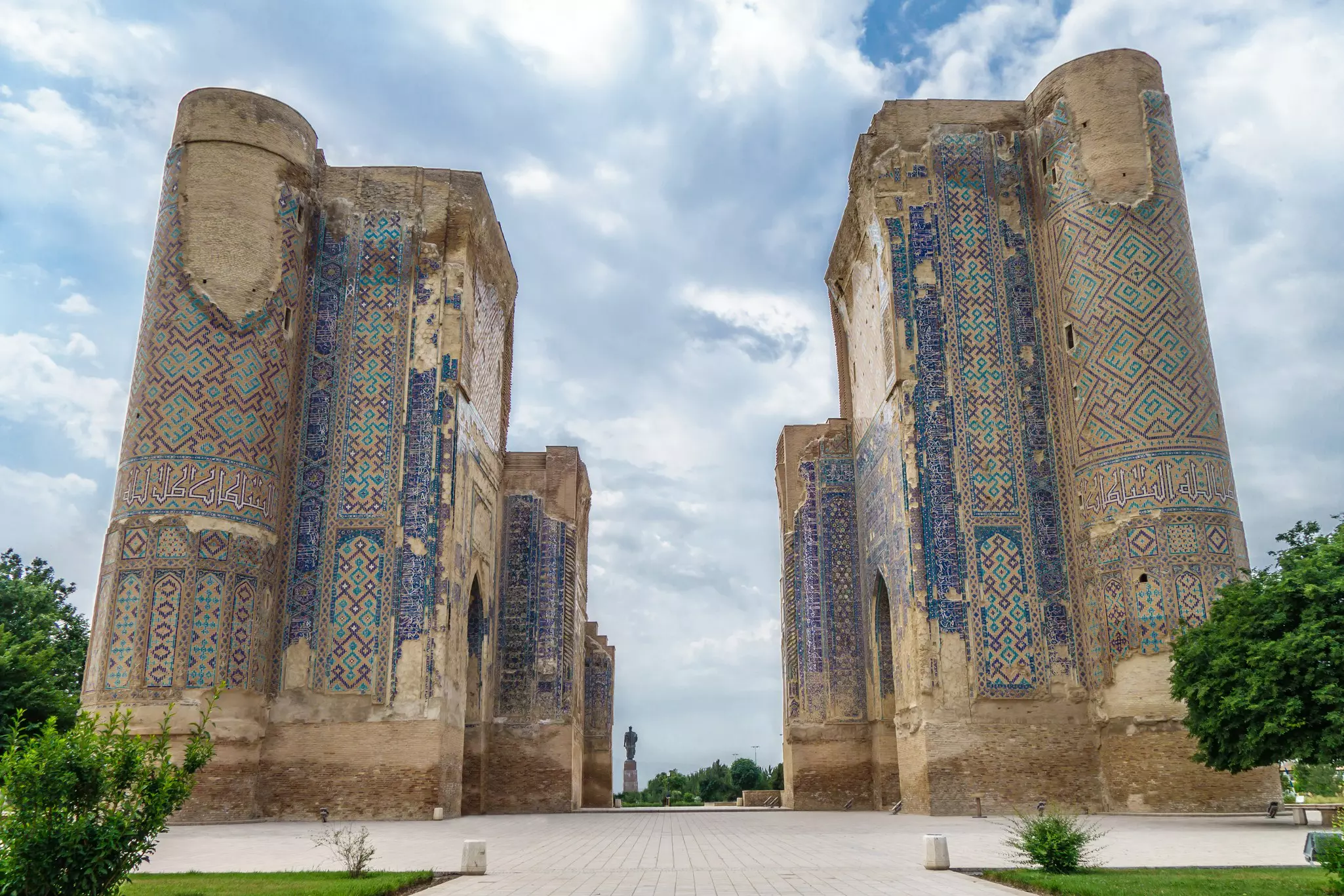
Shakhrisabsz makes for a great day or overnight trip, even if you don’t continue any further south. Highlights here include the epic towers and blue tiles of Timur's ruined Ak-Saray Palace, the blue-domed Kok-Gumbaz Mosque (built by Timur's grandson, Ulugbek), and the tomb of Tamerlane's eldest son Jehangir, whose name was passed down through Timur's descendants to the Mughal emperors of India.
To really get off the beaten track, continue southeast along the M39 highway into Surkhandarya province, pausing for an overnight in remote Baisun. En route you’ll pass near the Iron Gates, the historic dividing line between the ancient kingdoms of Sogdia and Bactria (from where Bactrian camels get their name).
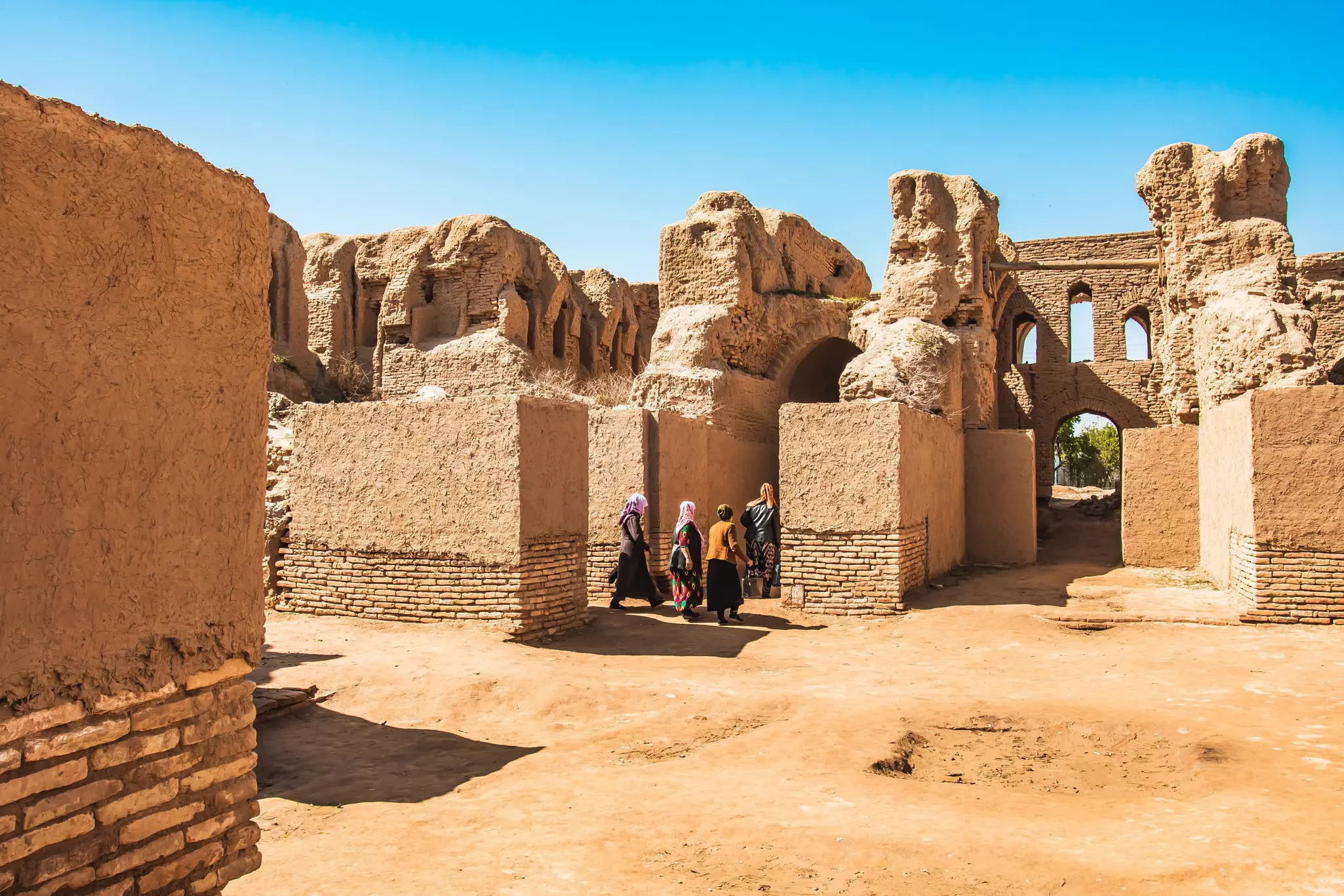
Swapping mountains for plains, you’ll arrive in Termez on the banks of the Amu Darya (Oxus) River, bordering Afghanistan. Uncover the area's layered history at the 3rd-century CE Buddhist stupa and monastery at Fayoz Tepe and the archaeological site of Kampyr Tepe, associated with Alexandria Oxiana, the city founded by Alexander the Great after he crossed the Oxus River with his army in 329 BCE.
Advertisement
For insights into Termez's Islamic history, visit the Mausoleum of Al Hakim Al-Termezi, sacred to the 9th-century Sufi philosopher Al-Termezi, known locally as Al-Hakim, meaning "the wise." Combine a quick turn around the Timurid-style mausoleums of the Sultan Saodat Ensemble with a stroll around the ruins of the Kyrk Kyz fortress, with its heavily restored, maze-like mud-walled corridors and rooms.
Visit the city's archaeological museum to view a treasure trove of Buddhist and Bactrian artifacts collected from the many sites that pepper Surkhandarya province.
Planning tip: Be careful not to drive close to the unstable Afghanistan border as the border zone is off-limits to tourists. Hiring a car with a driver is a good idea for this border region trip.
3. The Fergana Valley
Best road trip for traditional Uzbek culture
Start/Finish: Tashkent/Tashkent
Approximate distance: 700km; allow three to four days
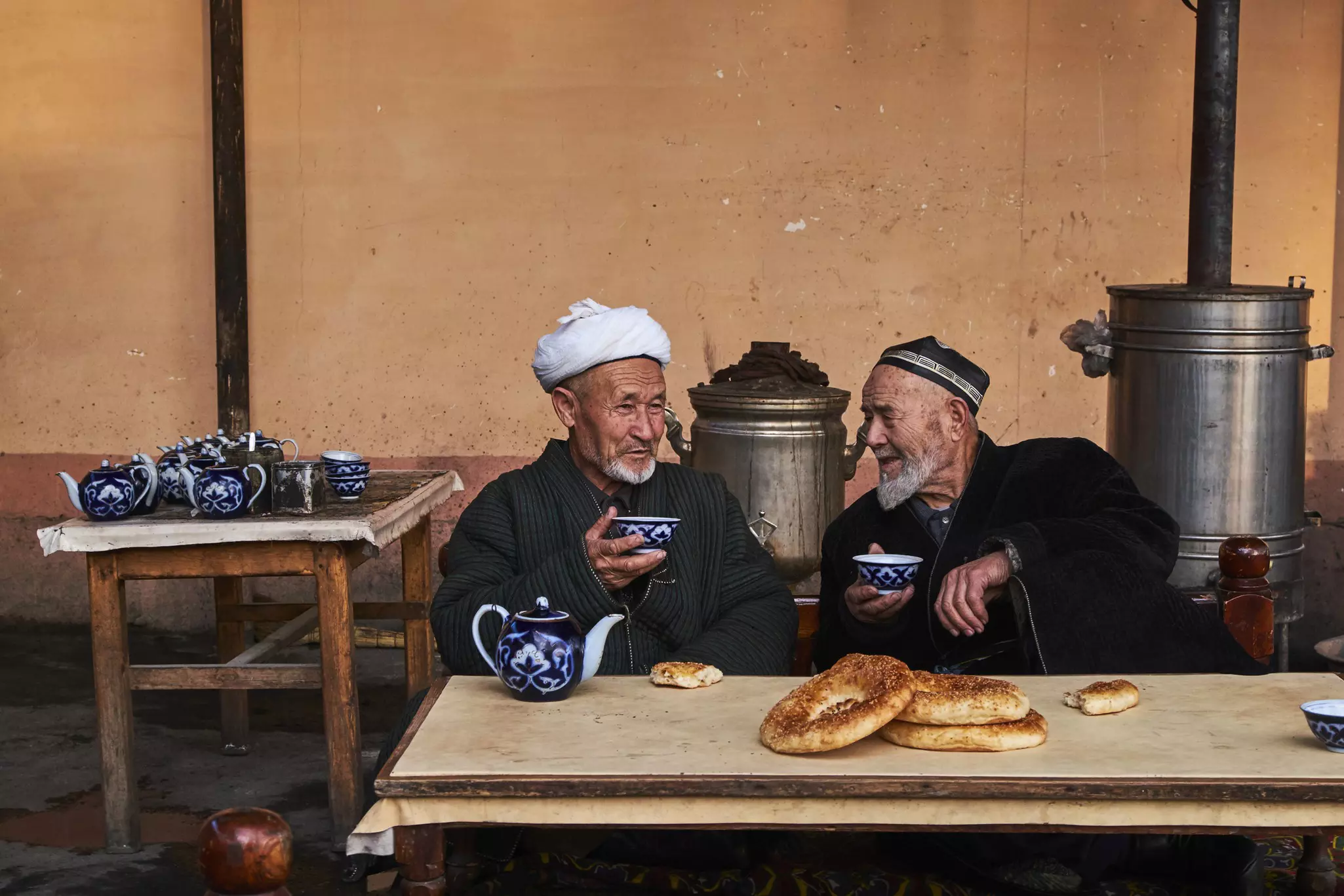
A road trip from Tashkent, Uzbekistan's expanding capital, into the broad Fergana Valley will take you into the heartland of traditional Uzbek culture. You'll escape the city sprawl into a calm landscape dotted with sleepy kishlaks (traditional villages), calligraphy-encrusted mosques, charming chaikhanas (teahouses) and traditional bazaars.
Hire a car and driver for a one-way trip, or rent your own car and return via the same route. Start off from Tashkent by following the A373 to Kokand, via Angren, then take the road tunnel under the Qamchiq (Kamchik) Pass and head across the Chatkal range to enter the wide Fergana Valley.
Kokand was one of Central Asia’s great khanates in the 19th century and you can still visit the Palace of Khudayar Khan, the last of Kokand’s great rulers. After touring the palace, it’s worth investing half a day to explore the rest of the city; head east to visit the functioning mosque of the 18th-century Narbutabey Medressa, which Stalin reopened to win wartime support from Muslim subjects. The adjacent cemetery contains the mausoleums of various Kokandi khans.
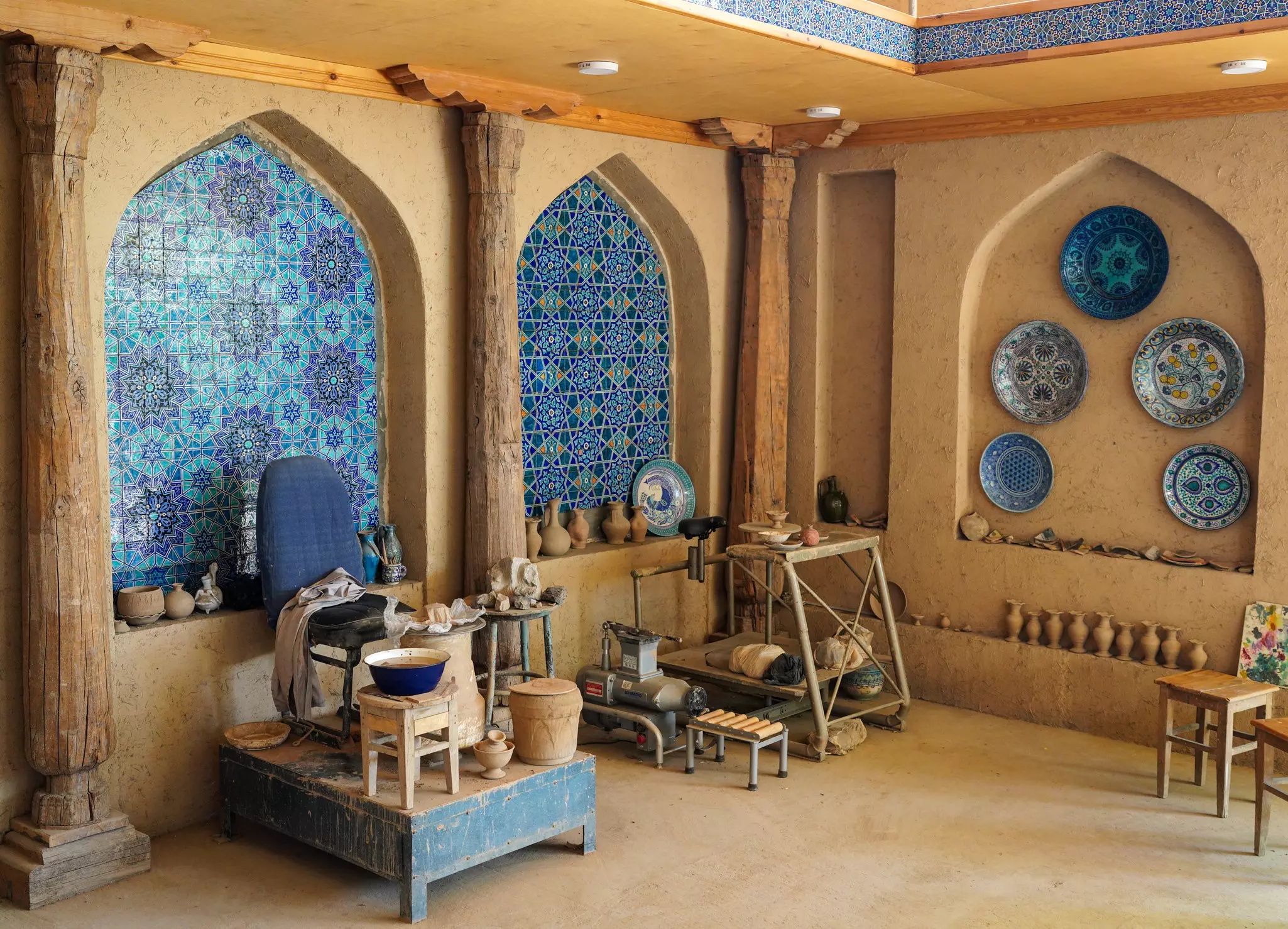
From Kokand, drive to Russian-influenced Fergana city, via the Uzbek ceramics center of Rishton, famous for the cobalt and green pottery fashioned from its fine clay. About 90% of the ceramics you see in souvenir stores across Uzbekistan originate here. Use Fergana as a base for a trip to nearby Margilon, to see the interesting Yodgorlik Silk Factory and its stunning range of khanatlas-style tie-dye silks.
Don’t miss the Margilon's epic Kumtepa Bazaar on a Sunday or Thursday. It's one of the best markets in a country of epic markets; among the acres of clothing and food stalls is a section selling handmade khanatlas and adras textiles and scarves at excellent prices.
The area is worth investigating in more depth. From Fergana, head north to the culturally conservative city of Namangan via the archaeological remains of 2000-year old Aksikent, at the heart of the valley.
Planning tip: To spice things up on the way back to Tashkent, plot a route via the traditional pichok (knife) workshops of Chust.
4. Khiva to Nukus via the desert forts of Karakalpakstan
Best road trip for amateur archaeologists
Start/Finish: Khiva/Nukus
Approximate distance: 240km; allow two days
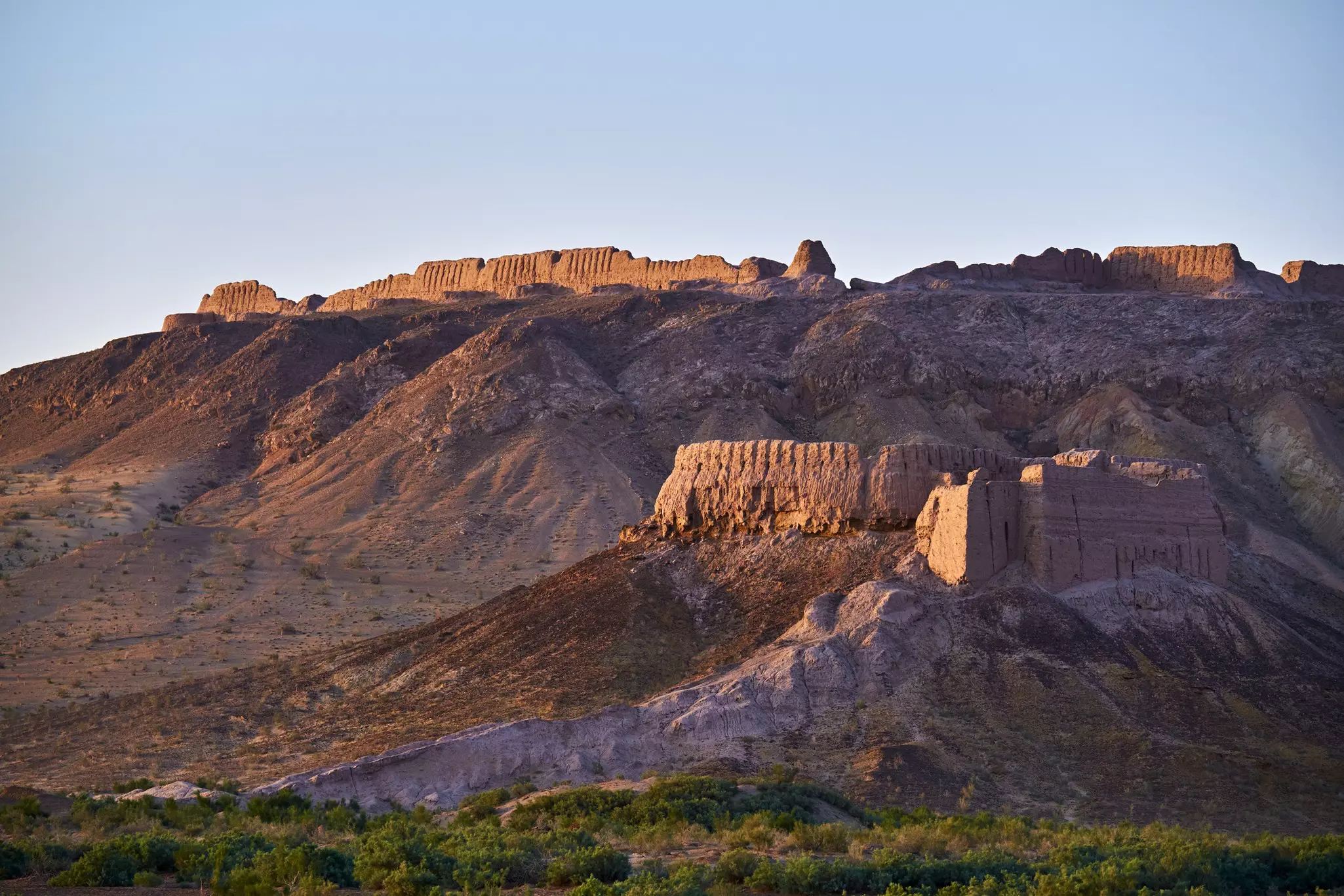
Hidden in the Kyzyl Kum desert, northeast of the Amu Darya (Oxus) river in northwestern Uzbekistan, are a dozen or more ruined qala – desert forts that date back over a millennium. You can link half a dozen of the most interesting sites in a long day drive from the historic city of Khiva, but an overnight trip to Nukus allows for more leisurely exploration.
Unmissable sites along the route include Topraq Qala, the main temple complex of the Khorezm kings who ruled this area in the 3rd and 4th centuries, and the three forts (and yurt camp) at Ayaz-Qala, but there are plenty of other ruins to track down. From here, continue on to Nukus, with a stop at the ancient Zoroastrian dakhma (Tower of Silence) of Chilpak Qala – a reminder of ancient Persian influences in Uzbekistan.
The capital of Karakalpakstan (Qaraqalpaqstan), a Russian Doll-style autonomous "stan-within-a-stan" inside Uzbekistan, Nukus is home to the standout Savitsky Museum, home to one of the world’s finest collections of avant-garde Soviet art. About half of the paintings were brought here by Russian artist, archaeologist and ethnographer Igor Savitsky, preserving them from purges of art that failed to conform to the preferred socialist realist style during the 1930s.
Planning tip: The qalas of Karakalpakstan are not well signposted, settlements are few and far between and the roads are faint and sandy, so it’s a good idea to go with a driver or guide who knows the region; ask your hotel in Khiva for recommendations.
5. An expedition to the Aral Sea
Best road trip for adventurers
Start/Finish: Nukus/Nukus
Approximate distance: 600km; allow two days
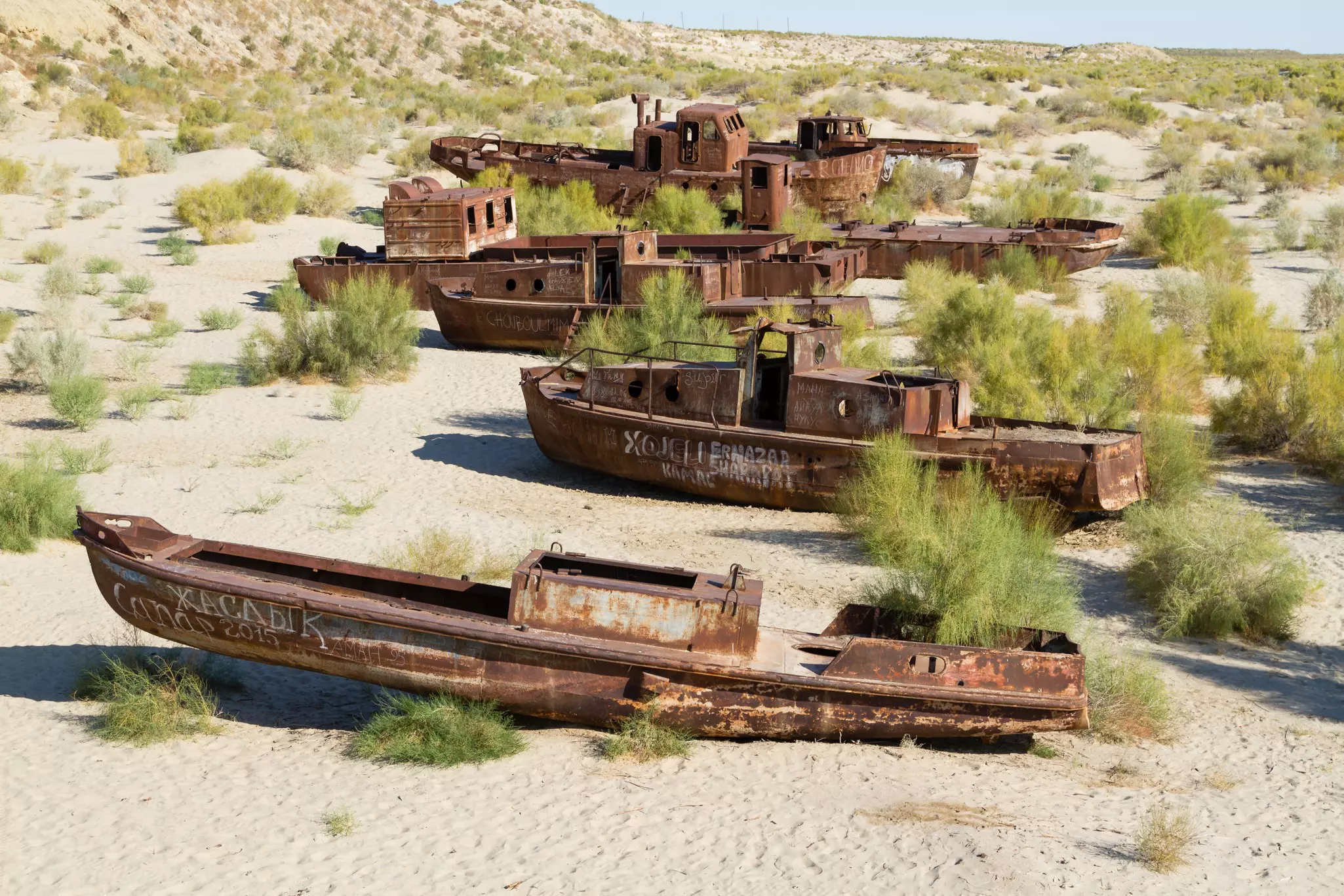
One of Central Asia’s most exciting overland adventures is the 4WD trip across the remote Ustyurt Plateau to view the ever-receding shores of the dying Aral Sea. This was once the world’s fourth-largest body of freshwater, supporting a large fishing industry, but it was sucked dry by Russian irrigation schemes, leaving boats marooned on the dry sands of the newly formed Aralkum Desert.
This expedition will take you from Nukus to Moynaq, formerly one of the Aral Sea’s main fishing ports, which now sits high and dry almost 200km from the water. What remains of Moynaq’s fishing fleet lies rusting in the sand in a "ship graveyard" and this is the sight most people come here to see. Two museums in Moynaq explore the disastrous water-use policies that led to the destruction of both a natural wonder and a way of life.
From Moynaq, dirt tracks straight out of Mad Max traverse sections of exposed, mineral-encrusted seabed to climb up into the canyons of the Ustyurt Plateau, before descending to an overnight stop in a Kazakh-style yurt camp. Pause when you finally reach the thin blue line marking all that remains of the shallow and salty sea and ponder the folly of the Soviet-era irrigation projects that drained it.
Planning tip: Guides, drivers and overnight stays in the yurt camp need to be arranged in advance, so start contacting agencies and looking for fellow travelers to share costs a couple of weeks beforehand.
Tips for driving in Uzbekistan
Despite the rugged landscape in Uzbekistan, major highways are generally in decent condition, but car-eating potholes can appear without warning so drive cautiously if you rent a vehicle to drive yourself. Checkpoints are frequent in Uzbekistan, but the formalities are generally straightforward; keep your passport handy to show if requested.
Speed limits are generally 100km/h on intercity roads or 50km/h inside towns. Look out for speed checks, particularly in the Fergana Valley. Be warned that in Uzbekistan, the driver entering a roundabout has the right of way, which is the opposite of most countries.
Liquid natural gas is the main fuel in Uzbekistan, followed by petrol; most rental vehicles will use one of these fuels. Diesel is hard to come by, especially in western Uzbekistan and during the cotton harvest in September.
In rural areas you may have to buy plastic bottles of fuel from private roadside sellers so bring a filter, as the fuel is often low grade. Fill up in towns you pass through; there can be big gaps between fuel stations in rural areas.
Car hire companies include RentCar.uz and the international company Sixt, which has offices in Tashkent and Samarkand. You’ll likely need to leave a large cash deposit. International driving licenses are not normally required.
This article was partly adapted from Lonely Planet’s Central Asia guidebook, published in November 2025.
Advertisement