Advertisement
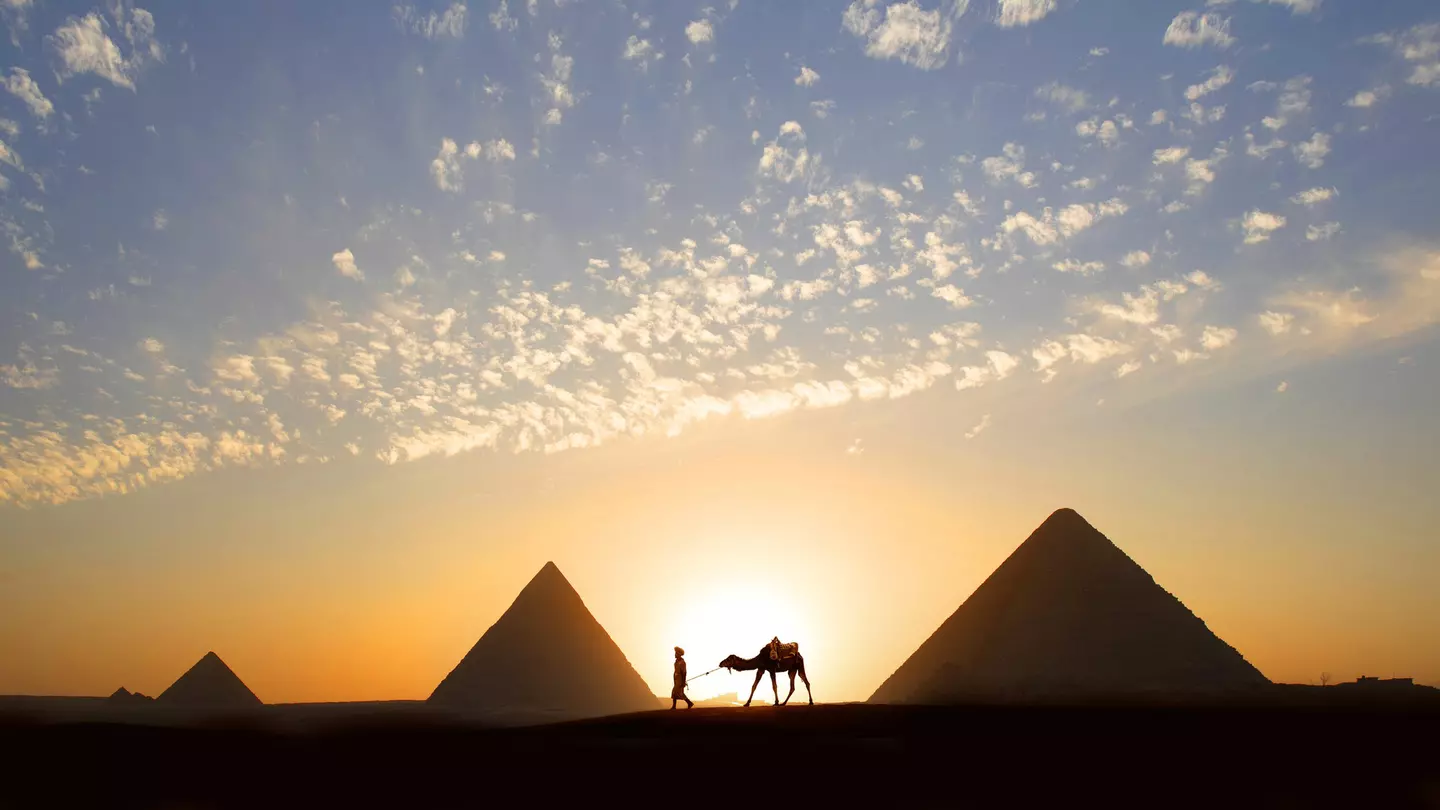
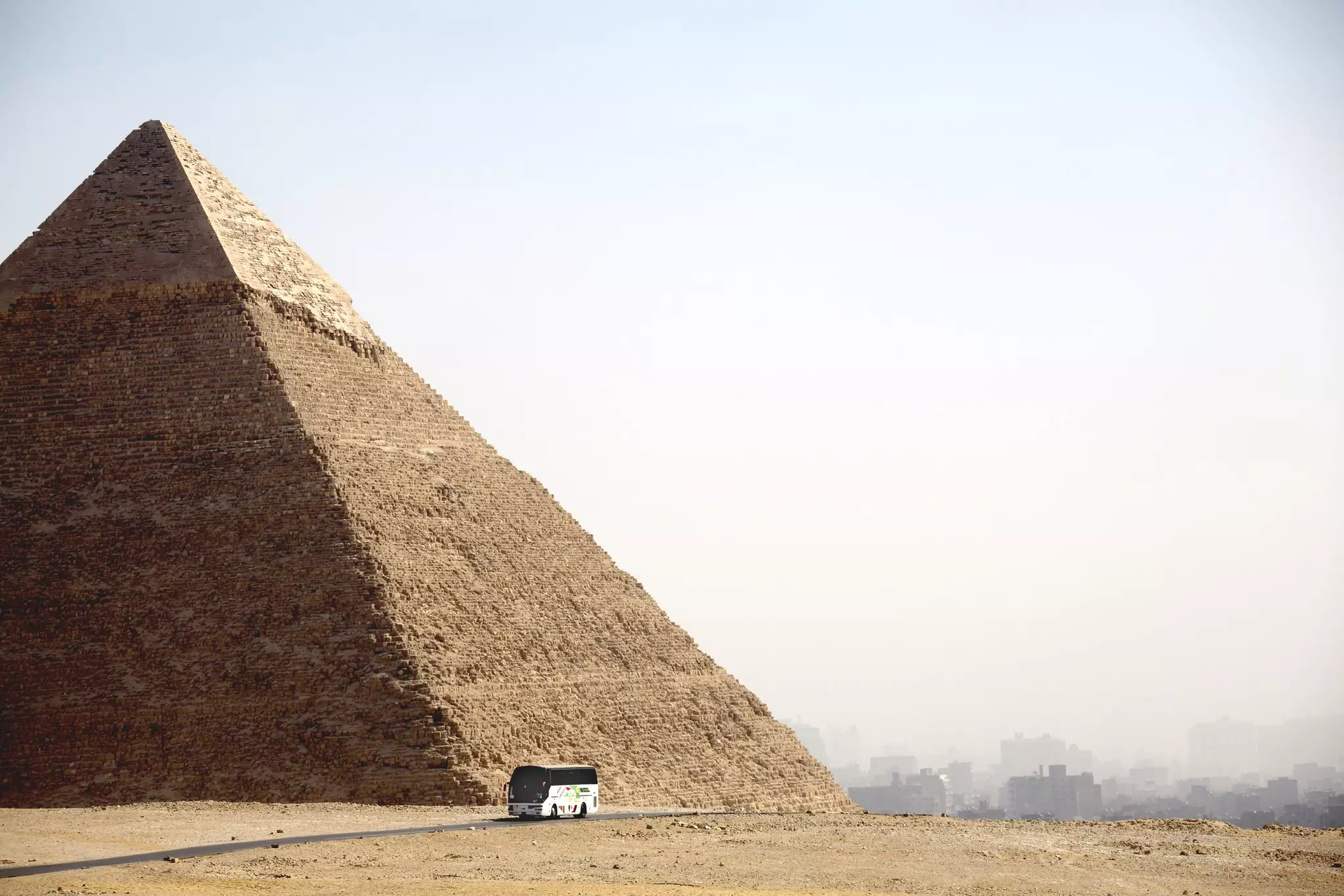
The pyramid of Khafre. Grant Faint/Getty Images
Egypt is home to many incredible pieces of ancient architecture, fascinating tombs and well-preserved temples. Among them is the Great Pyramid, the only standing monument of the Wonders of the Ancient World, so it’s no surprise that the Pyramids of Giza are a bucket list destination for many travelers. These massive structures offer modern-day visitors a peek into a powerful historical dynasty whose building techniques continue to puzzle historians to this day.
Plan your trip to these incredible ancient structures with our guide to how they were made, their special architectural features, and what to expect when you visit.
Advertisement
What are the Pyramids of Giza?
The Pyramids of Giza are tombs built for three of Egypt’s pharaohs. The ancient Egyptians believed that when pharaohs died, they would move on to the afterlife as gods. These pharaohs prepared for the afterlife by ordering the building of enormous pyramid tombs for themselves, where they could store all the items they’d need in the next world.
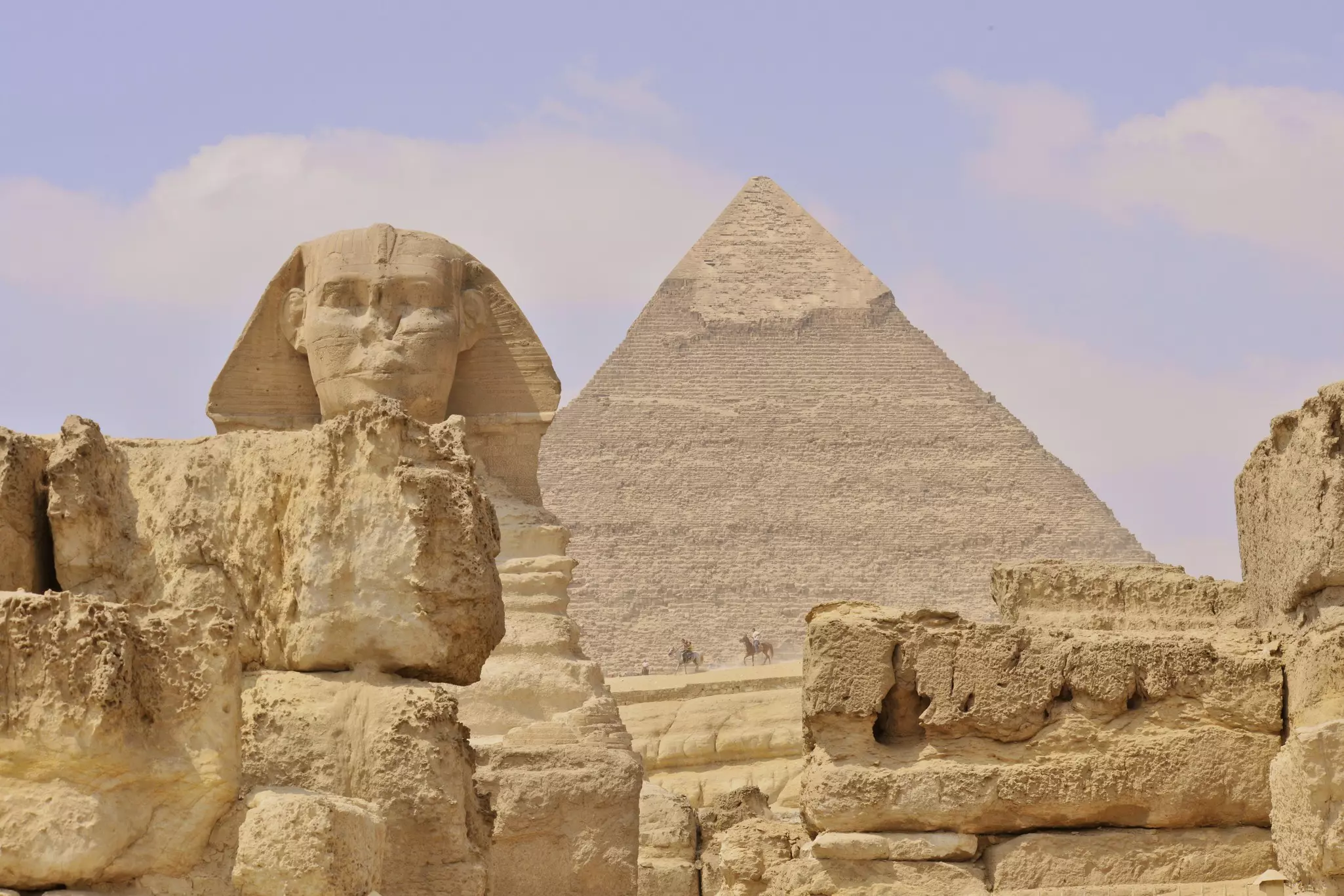
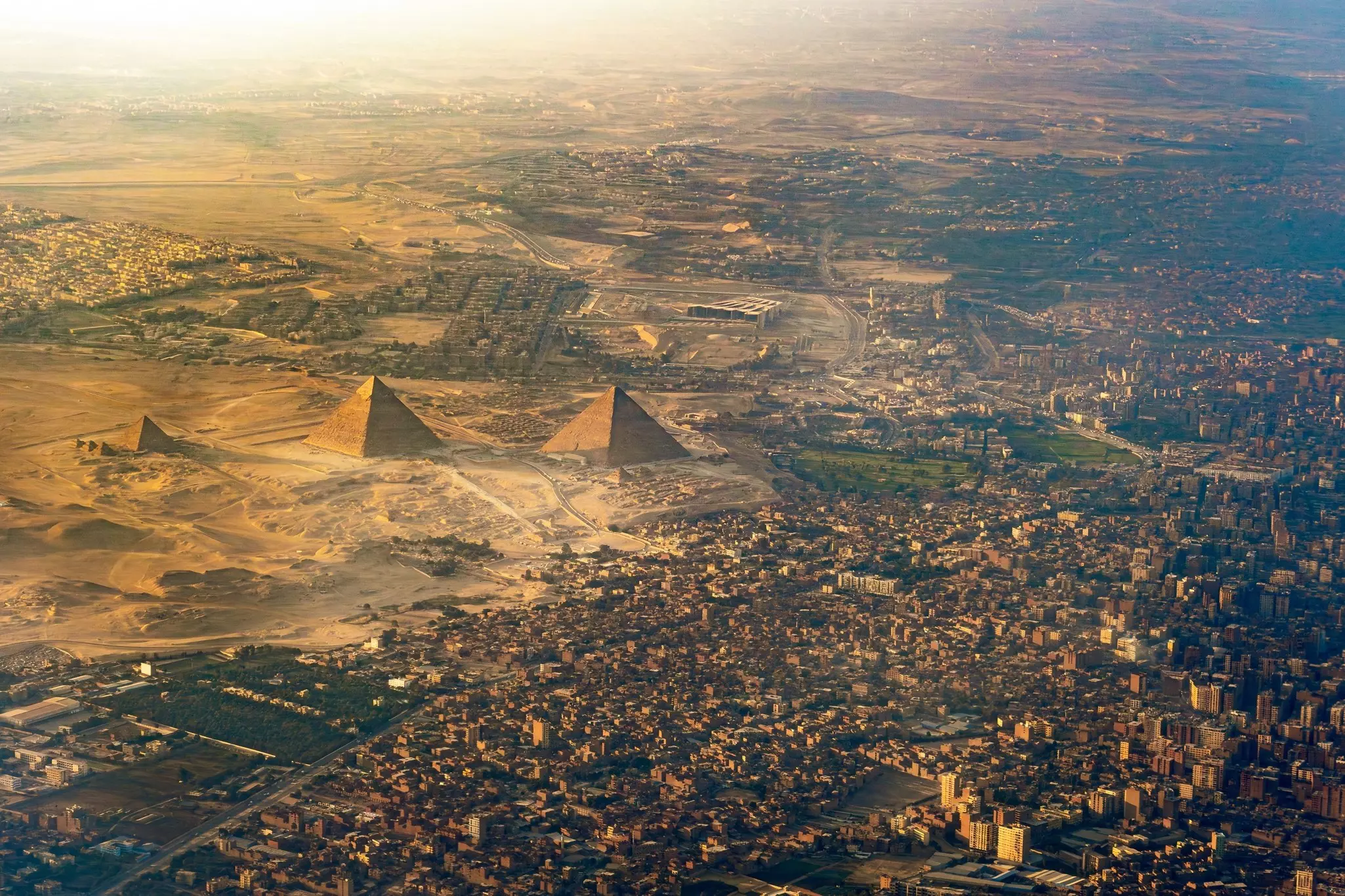
The construction of the first and largest pyramid, the Pyramid of Khufu (also known as the Great Pyramid), began around 2550 BCE for Pharaoh Khufu. Thirty years later, Khufu’s son ordered the construction of his own tomb, the Pyramid of Khafre. Simultaneously, the Sphinx – believed to be modeled after Khufu’s son – was built to watch over his tomb. The last of the Giza Pyramids, known as the Pyramid of Menkaure, was built around 2490 BCE by Khafre’s son and is considerably smaller than the first two pyramids.
These three pyramids, along with the Sphinx and several other pyramids and tombs make up what is known as the Giza Pyramid Complex.
How were the Pyramids built?
The engineering behind the Pyramids of Giza is so impressive that scientists and historians are uncertain exactly how they were built. However, over the past several decades, archaeologists have made numerous discoveries that have helped them further understand the construction of the Pyramids.
Researchers agree that it took anywhere between 10,000–20,000 workers over 20 years to construct the three pyramids. Old history books claim that the Pyramids of Giza were built by enslaved people, but later discoveries concluded that the majority, if not all, workers were native Egyptian farmers, who worked during a time when the Nile River flooded nearby land. These workers lived in a temporary town that was built near the Menkaure Pyramid.
Egyptians used a variety of tools and materials to construct the Pyramids. Stones used in the construction of both Khufu and Menkaure came from nearby quarries, although it’s unclear where stones used to build the Khafre pyramid came from. To move these stones over land and onto the Pyramids themselves, workers dragged sleds across wet sand and hauled materials up using a series of ramps. How these ramps were designed remains unknown; this is just one of many mysteries surrounding the construction of the Pyramids of Giza.
Advertisement
What features make the Pyramids so special?
Pyramid alignment
The Great Pyramid is almost perfectly aligned along the cardinal points (north–south–east–west), a feature that continues to baffle historians. Researchers have theorized different methods on how this could have been achieved, with the most recent theory pointing to using the fall equinox. To date, there’s no conclusive evidence to indicate this.
Limestone covering
The Pyramids of Giza were once covered with a smooth limestone casing that has since been stripped away for usage in other buildings throughout Egypt. Only the Khafre Pyramid still retains some of its original limestone casing on the top.
Smaller pyramids and tombs
The Pyramids of Khufu, Khafre and Menkaure are not the only pyramids at the Giza Complex. Three smaller pyramids can be found along the east side of the Pyramid of Khufu. These tombs, known as the Queens’ Pyramids, were built for Khufu’s wives and sisters.
Additional smaller temples and pyramids can be found near both the Khafre and Menkaure pyramids as well. These structures, along with the mastabas (stone tombs), were used for the burials of officials of the king and other members of the royal family.
Can you go inside the Pyramids?
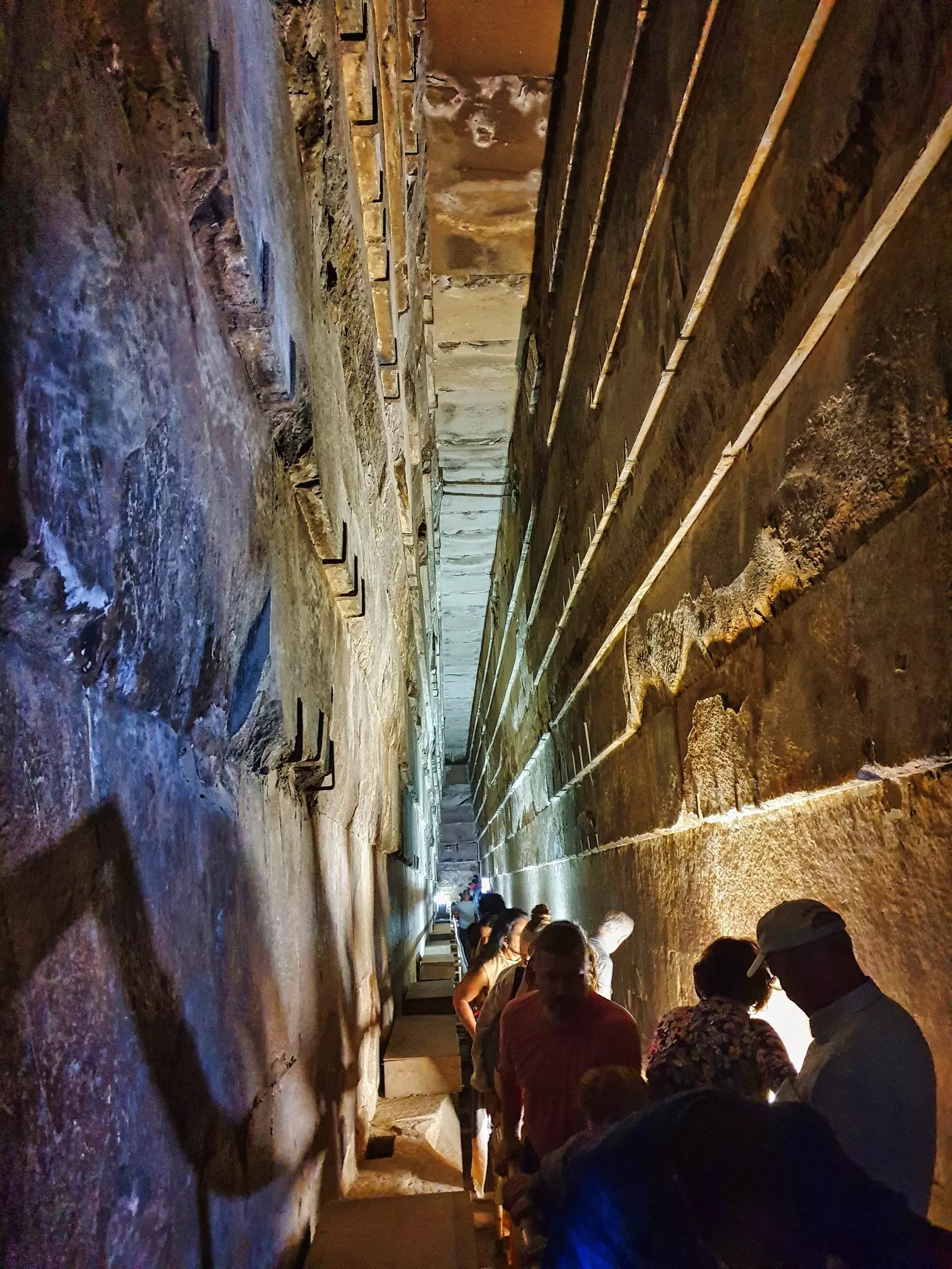
For an extra fee you can enter the Great Pyramid of Khufu, the Pyramid of Khafre and the Pyramid of Menkaure. Some areas may be blocked off due to ongoing archaeological work and passages are narrow and steep. Enterin a pyramid is not recommended for anyone with limited mobility or those with claustrophobia.
When is the best time to visit?
It is possible to visit the Pyramids of Giza any time of the year but peak season is December to February, when the weather is cooler. Choose the shoulder seasons (October to November and March to April) for fewer crowds and better weather. Visit the Pyramids as soon as they open. Most tour groups don’t arrive until around 10am, so you’ll be able to enjoy 2–3 hours of quiet by arriving early.
What should I wear to visit the Pyramids?
Egypt is a predominantly Muslim country and accordingly, people dress conservatively. Cover shoulders and knees out of respect for local culture. Be sure to also wear comfortable walking sandals/shoes, and a hat and sunglasses to protect yourself from the sun.
What's the best way to get to the Giza Complex?
Booking a guided tour will mean you can avoid the vendors located all around the Giza Complex. Most tours include hotel pickup and dropoff. If you’d prefer to visit independently, Uber is the easiest way to get to the Pyramids. You can also take the metro to Giza and board a shared microbus to the ticket office.
How long does it take to visit the Pyramids?
Plan for at least 4–5 hours to leisurely explore the Giza Complex. If you purchase tickets to enter the different pyramids and visit the cemeteries and tombs as well, you can easily spend 7+ hours there.
When are they open?
The Pyramids of Giza are open daily from 7am–5pm with last entry at 4pm.
How much does it cost to visit the Pyramids?
There are various entrance fees depending on which parts of the Giza Complex you’d like to visit. The main fee for "area entry" is LE700 for adults (LE60 for Egyptian and Arab visitors), which will provide you with access to the outside of all the pyramids and the Sphinx. However, there are additional costs to enter the different pyramids – for example, the Great Pyramid costs LE1000 (LE100 for Egyptians and Arabs) – as well as the cemetery and Meresankh Tomb. Students carrying an identification card receive 50% off the entrance fee.
Where's the best area to stay for a visit to the Pyramids?
The Pyramids are located in Giza, approximately 45 minutes from Cairo by car. Although you can easily stay in Downtown Cairo the night before your visit, it's worth staying at one of the many hotels near the Pyramids for one night. Not only will you be able to enjoy sunrise over the Pyramids, but you can also sleep in a bit longer as well.
Advertisement
Take your Egypt trip with Lonely Planet Journeys
Time to book that trip to Egypt
Lonely Planet Journeys takes you there with fully customizable trips to top destinations – all crafted by our local experts.