Advertisement

The monasteries of Meteora; which translates as 'suspended in the air'/.Justin Foulkes / Lonely Planet
As with any destination, there are pros and cons to visiting Greece in the offseason. Perhaps you’re looking to avoid excessive heat or crowds, or you’re seeking a more affordable adventure. For the record, there’s no bad time to visit Greece, where the offseason is between November and March.
In exchange for cooler weather, the positive trade-offs to traveling during this period include hiking quiet trails, exploring ancient sites without a crush of fellow visitors and strolling down serene beaches. Just be sure to pack some warm clothes and a rain jacket.
The best places to visit in Greece in the offseason
Advertisement
On the mainland
Let’s start with the capital. Eat, drink and dance around Athens – the city of the gods – which remains lively during the country’s offseason. You’ll discover the city in a far more natural state, with fewer tourists and more Athenians returning home after their summer vacations on the Greek islands.
You shouldn’t have much trouble booking accommodation, including in neighborhoods closer to the city center – maybe even with a view of the Acropolis – and at a much more reasonable price than during the peak period in July and August.
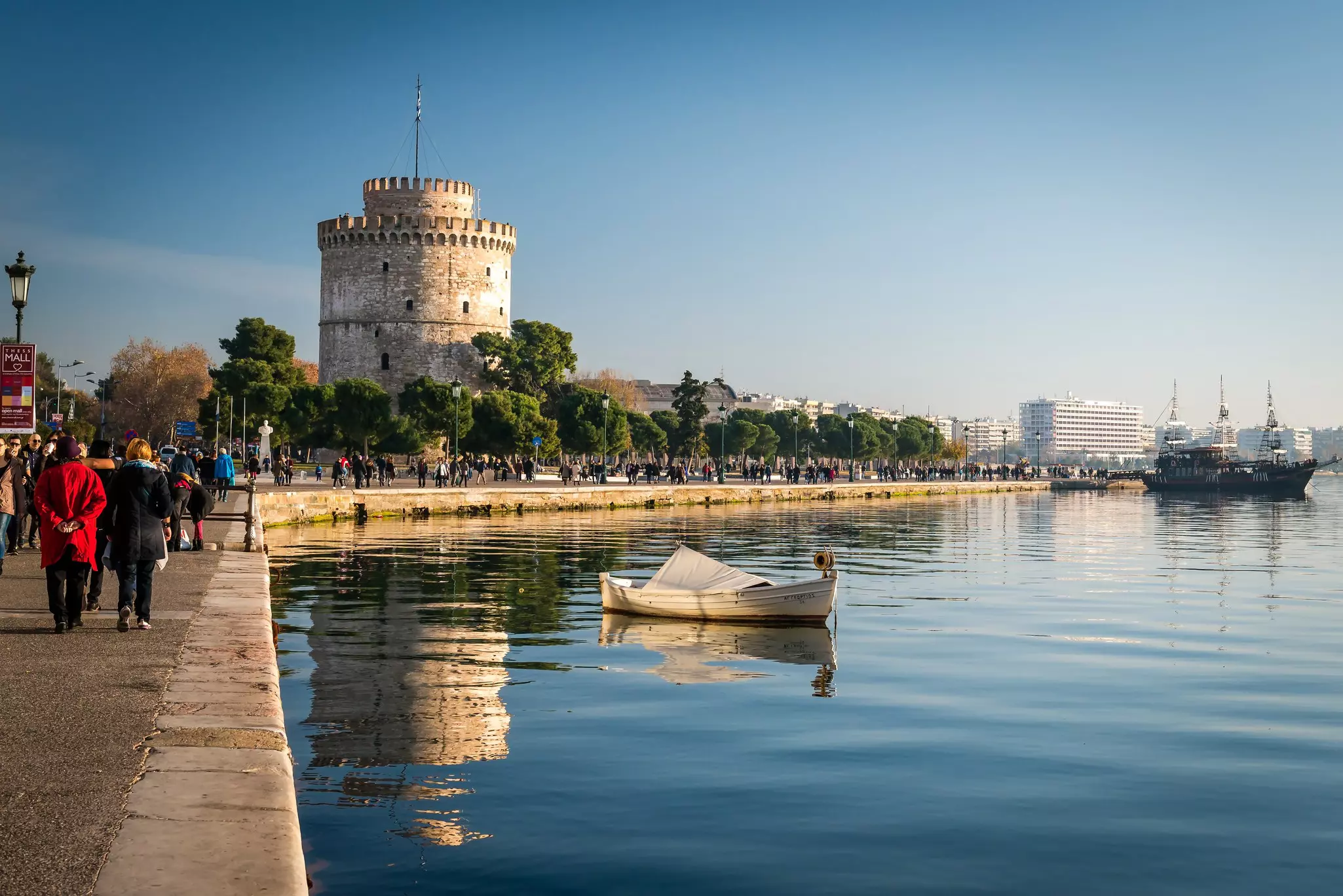
It’s a similar story in the northern city of Thessaloniki and the Peloponnesian city of Kalamata, in the southern part of the mainland. These more populous areas of the country are always on and offer travelers much in the way of museums and historically significant sites.
Around the islands
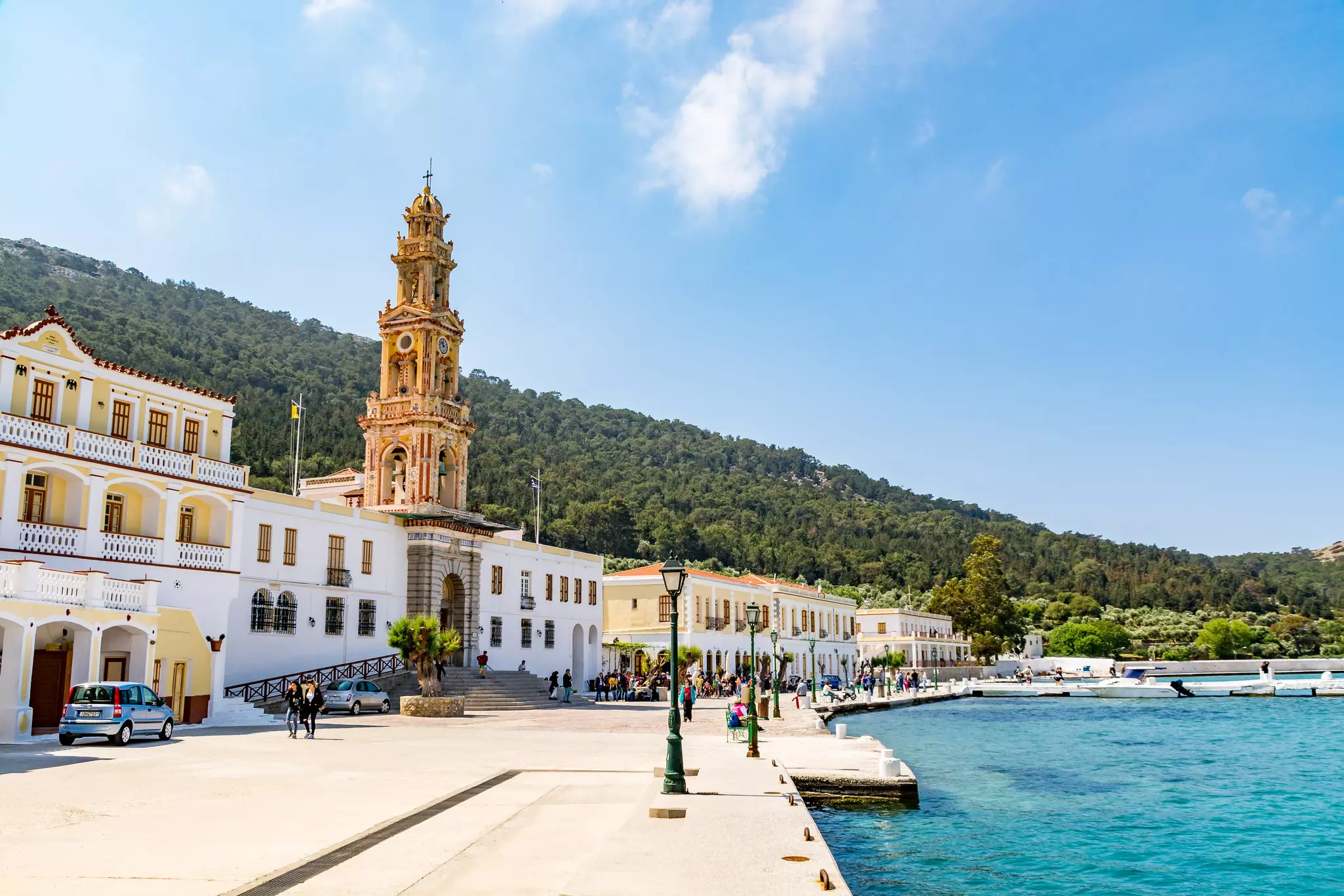
The Greek islands take a different form in the offseason. On the smaller islands, many tourism and hospitality businesses close down, including restaurants, bars and private boating operators. They rely on the shoulder and peak seasons to generate most of the year’s business.
That’s not to say it’s not worth visiting these small islands during the offseason but be prepared for them to be much quieter. This might even be an appealing option if you’re conscious of traveling sustainably.
If Santorini is on your list of dream trips, try to save it for the offseason. You won’t have to elbow in for a view of the famous sunset in Oia, and you’ll be able to walk into ocean-view restaurants with no line during the offseason.
Crete, Greece’s largest island (so big it’s almost a country in itself), also offers plenty to do in the cooler months, including visits to the historic city of Hania and archaeological sites such as the Palace of Knossos or the ancient city of Aptera.
Corfu, Kefallonia and Rhodes are more smart choices in the offseason – all are larger islands with more built-up areas and notable architecture.

Advertisement
How to get around Greece during the offseason
The mainland transportation network remains well-connected, with taxis, public buses and trains easily available.
What does change during the offseason is the frequency of flights and ferries. Some routes between the mainland and islands, and between different islands, are either far more infrequent or don’t run at all. For example, if you’re in Crete in peak season, you might be able to fly directly to another Greek island. However, in the offseason, you might need to go back to Athens and catch another flight from there.
Ferries that run daily in the summer might run only two or three times a week during the colder months. You’ll need to be flexible, or on the flip side, plan your island-hopping itinerary further in advance.
Public buses on the islands continue to operate regularly, as locals rely on them.
During the offseason, you can expect airfares and ferry prices to be lower, whereas fares for taxis, buses and trains stay consistent for the most part.
What to do in Greece in the offseason

Discover ancient Greece
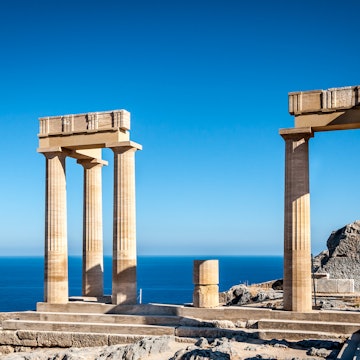
Greece’s lengthy history reaches far beyond what you’ll see in Athens. The offseason is the perfect opportunity to visit towns like Delphi, which was considered the center of the world in ancient Greece.
You could also visit Meteora, a UNESCO World Heritage Site renowned for monasteries suspended on towering rocks. These religious sites remain open year-round.
Sports lovers might want to consider heading east to Olympia to explore the birthplace of the Olympic Games, which started in 776 BCE. You’ll find the ancient stadium ruins, temples dedicated to the gods Zeus and Hera, and a museum of antiquities from the ancient games.
Explore the outdoors
Offseason in Greece offers plenty of scenic walks and hikes. If you’re both a sea and mountain lover, consider trekking through the Samaria Gorge, which starts in Crete’s southwestern mountains and finishes at the opening to a beach.
While far less synonymous with snow than sun, Greece delivers on that front, too, especially in the northern part of the mainland. Keep this in mind if you’re seeking an affordable skiing or snowboarding trip in Europe and take a look at the resort towns of Grevena and Metsovo.
Insider tips for an offseason visit to Greece
Ask yourself a key question
Before committing to an offseason visit to Greece, you’ll need to ask a key question: Will I regret not swimming in Greece’s waters? (Assuming you don’t enjoy a cold plunge, that is.) If you don’t sense potential disappointment, proceed with planning an offseason trip.
If you’re leaning the other way, you risk staring at beaches in agony, wanting to hop in even if it’s freezing.
Hoping to get lucky and swim in the offseason? Your best bet for warmer water temps is around the islands in the South Aegean Sea, such as Rhodes, Karpathos, Folegandros and Santorini.
Schedule a trip around Greek Easter
Greek Easter (Orthodox Easter) falls in April or May, and it’s a wonderful time to be in Greece. In 2026, Greek Easter Sunday falls on April 12; in 2027, it’s a little later, on May 2. You’ll see how locals prepare for the holiday, attend church, fast and break the fast with a glorious feast. Some churches even set off fireworks.
For many Greek people, Easter is more largely celebrated than Christmas. This time of year is also when shoulder season begins, and more island businesses start reopening.
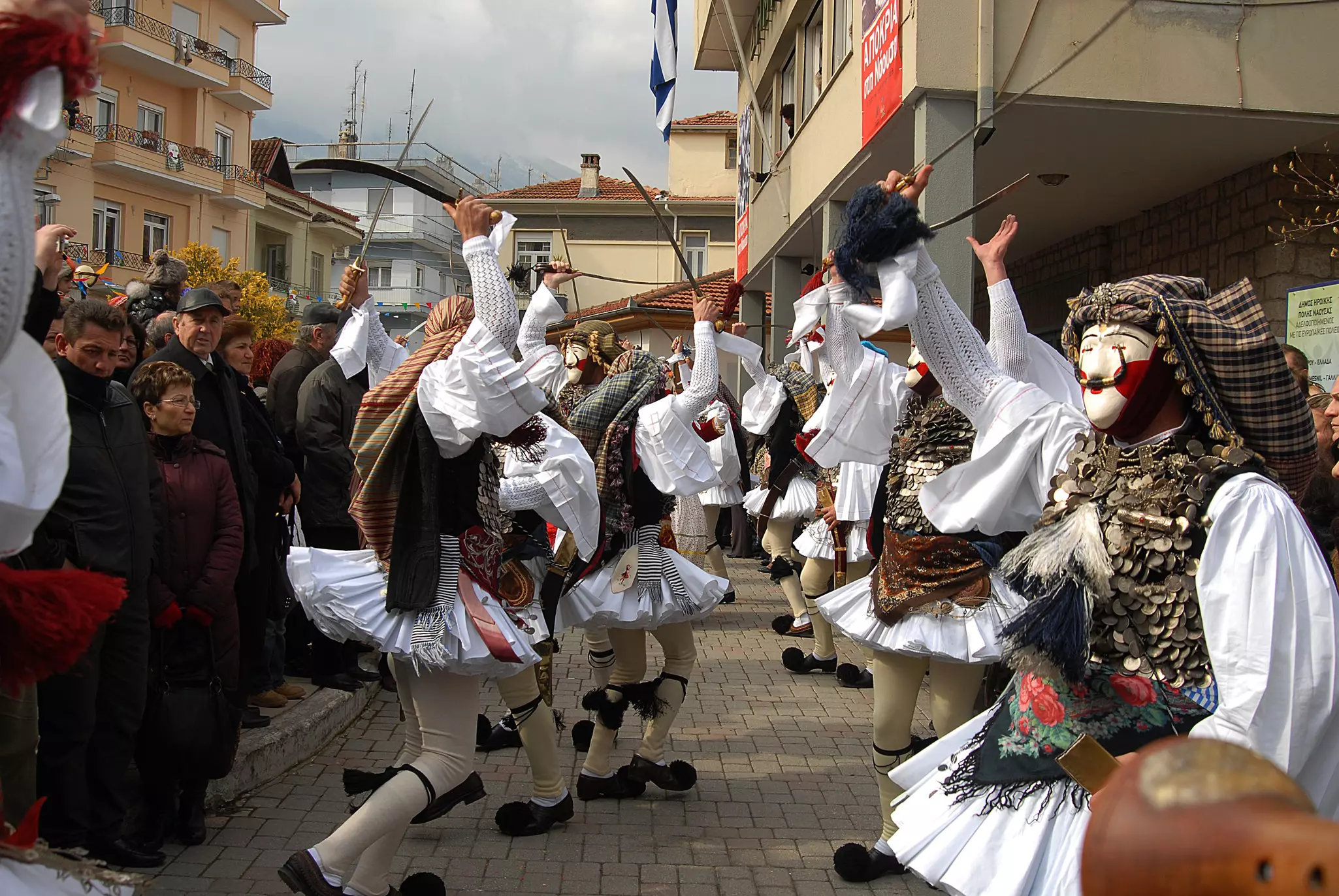
Find a panigiri
Throughout the year, local festivals celebrate saints around the country. These are known as panigiria, and they’re more common in towns and villages. There are also festivals dedicated to certain harvests, such as wine, fish and honey.
These festivals vary based on location. There is some information online about the bigger festivals, if you’re hoping to plan ahead; otherwise, your best bet is to ask a local when the next festival is. Importantly, also ask where it is being held. Sometimes they’re not easy to find.
At these festivals, people sing and circle dance to traditional Greek songs and eat together at large communal tables. Local musicians perform and occasionally a marching band too.
If you’re lucky enough to be in the right place at the right time and there’s a local festival on, prioritize going to it. These joyous events are one of Greece's most amazing experiences.
Advertisement
Take your Greece trip with Lonely Planet Journeys
Time to book that trip to Greece
Lonely Planet Journeys takes you there with fully customizable trips to top destinations – all crafted by our local experts.