Advertisement
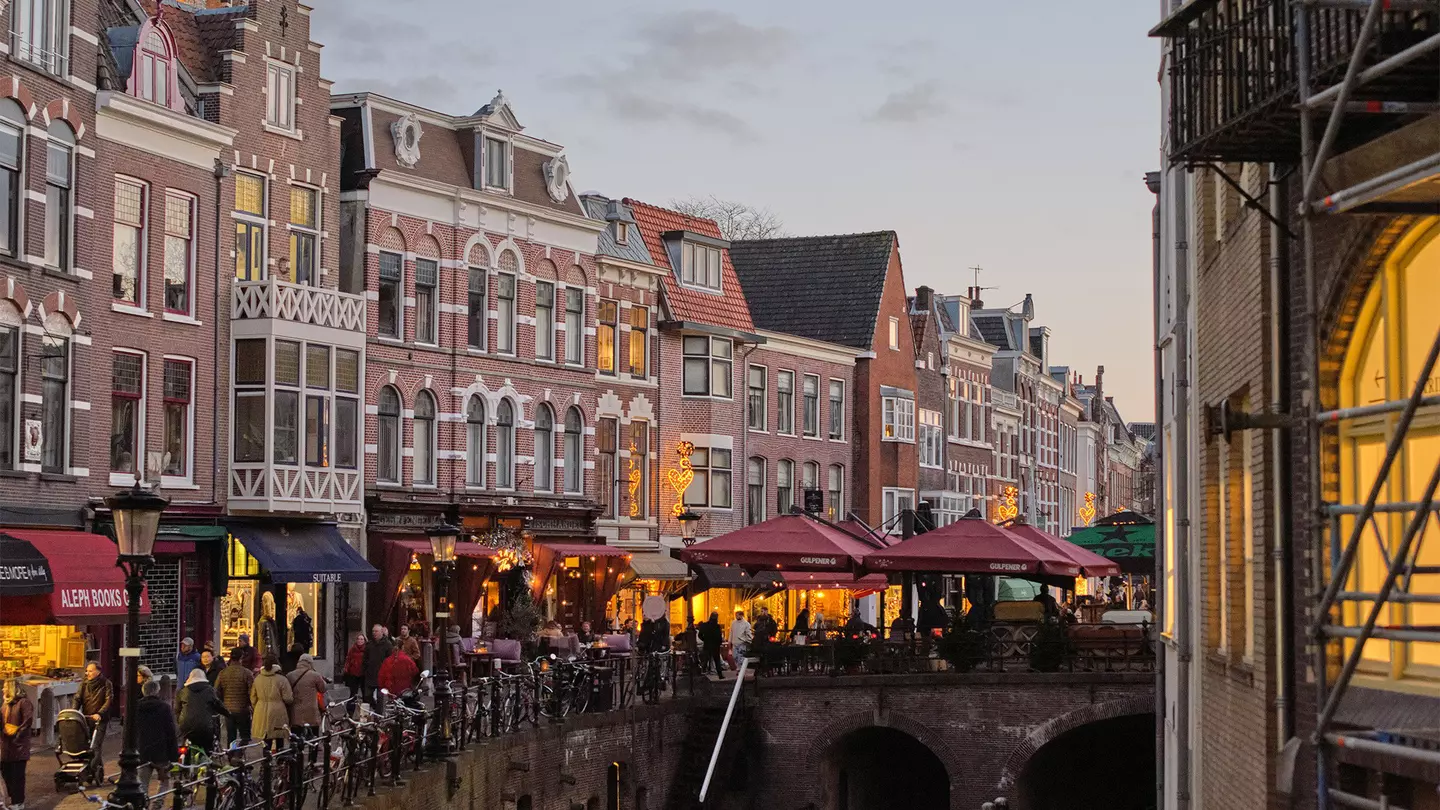
The Oudegracht. Samira Kafala for Lonely Planet
The most baffling thing about Utrecht is that it hasn't become the European city break everyone insists you take. There are tourists here, of course, but it's rarely overcrowded. Easily accessible from Amsterdam by train, Utrecht offers a compact medieval center, gabled houses that belong in a Vermeer painting and a bounty of bookshops, restaurants and museums to dig into.
Advertisement
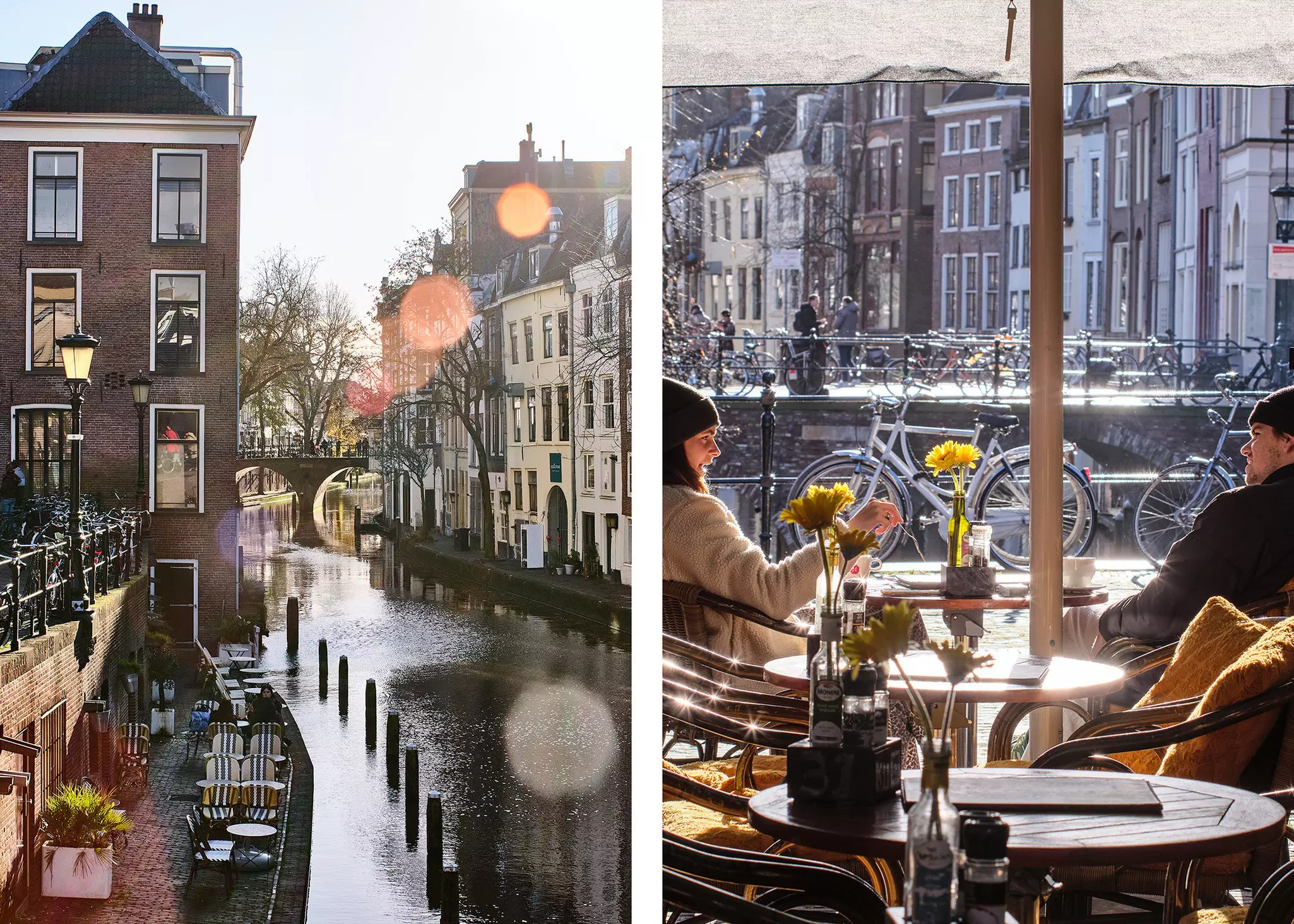
One of the loveliest things about Utrecht is its canals. Canals are ubiquitous in the Netherlands, but Utrecht’s are unique because they’re designed on two levels, creating an almost underground world beneath the busy streets above. While bikes rattle over the cobblestones on street level, follow the stone steps down to the peaceful water-level walkways lined with trees and 13th-century vaulted cellars. Medieval merchants once stored goods in these spaces; now the centuries-old brick buildings house quiet cafés, small art galleries and guesthouses. Sit by the water with a coffee (as locals do) or duck into one of the converted cellars for a beer.
Advertisement
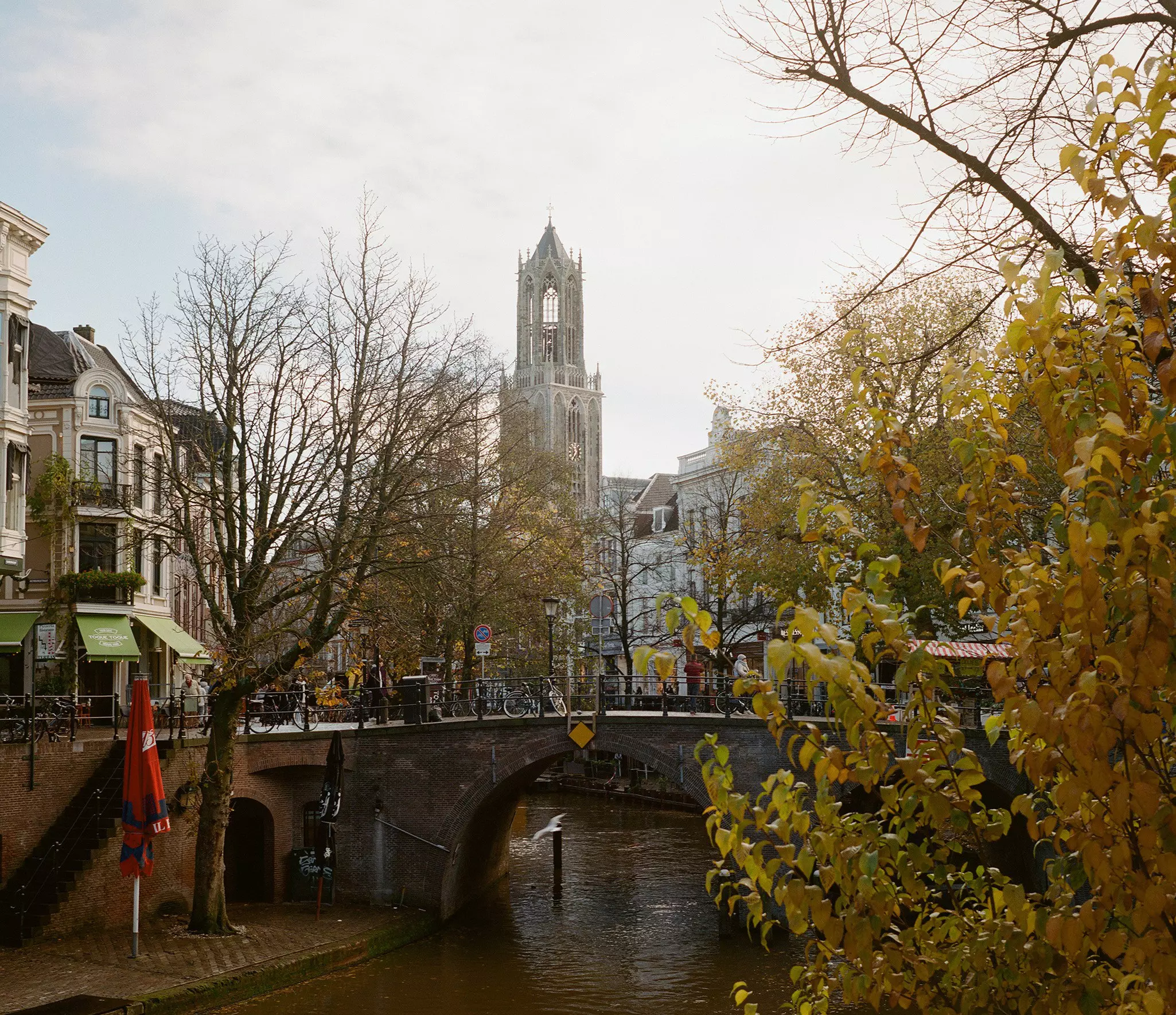
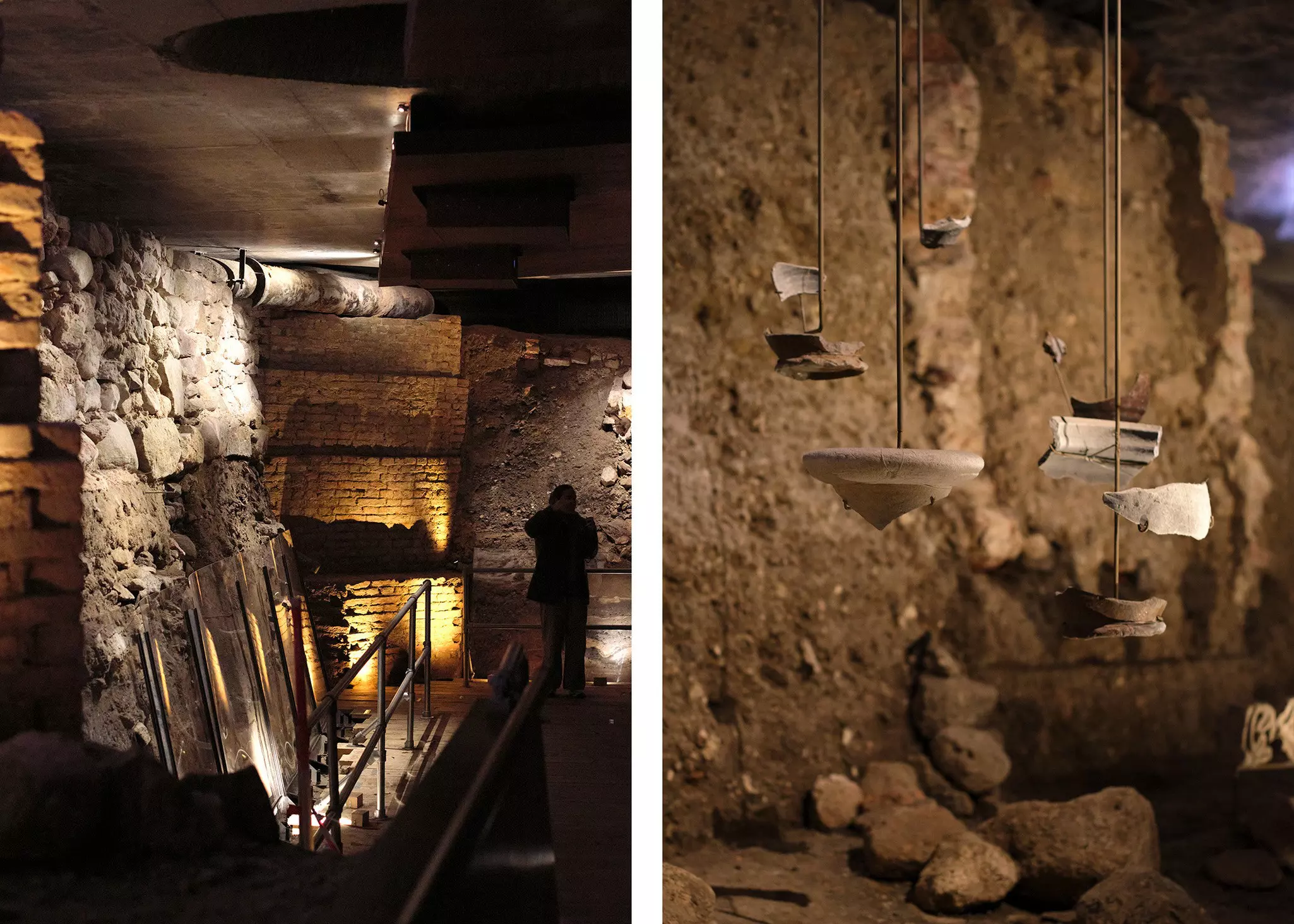
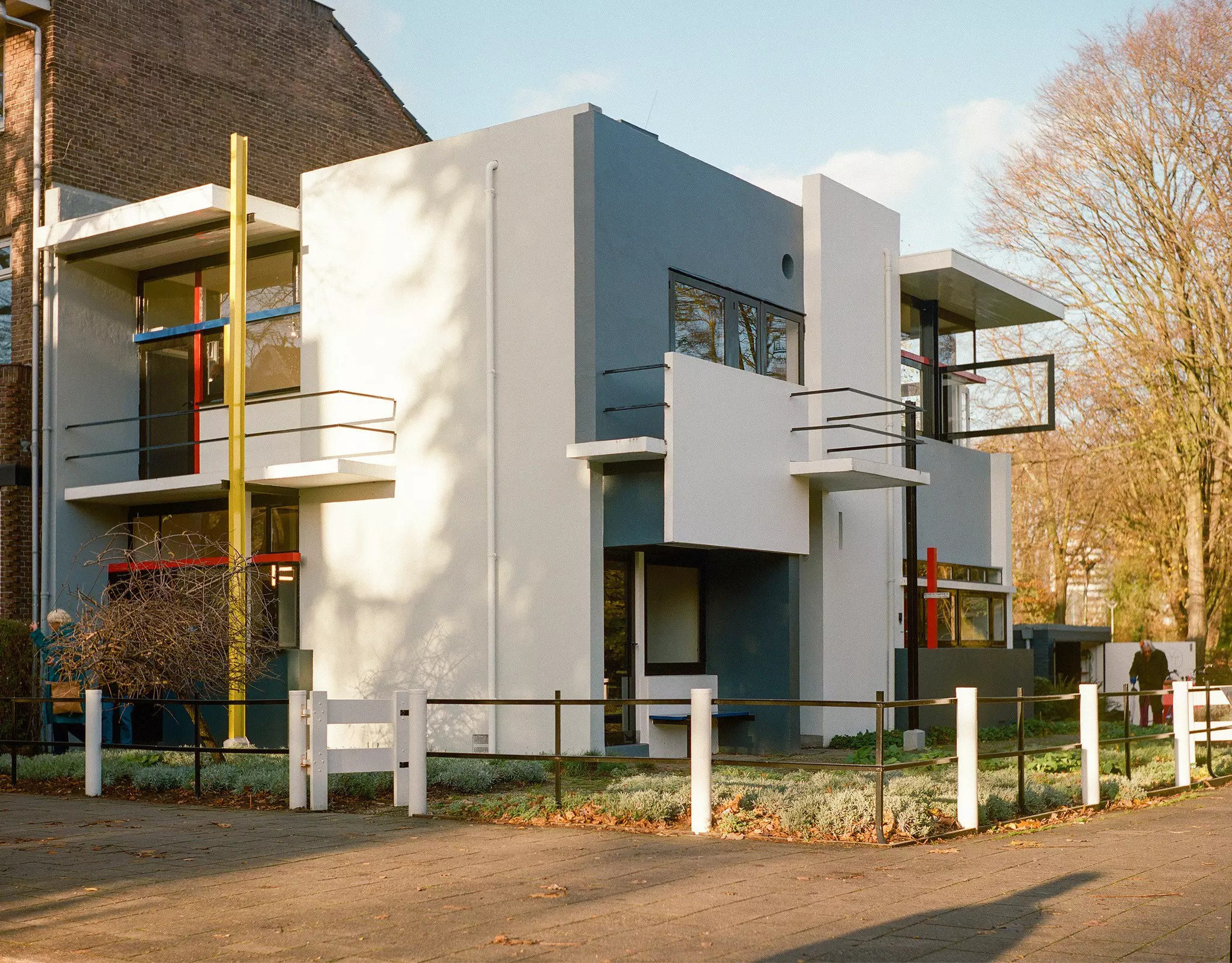
Wander over to the Gothic Domtoren (Cathedral Tower), which looms over the city. Climb the tower’s 465 steps for views stretching to Amsterdam, then descend to DOMunder, where Roman foundations and medieval artifacts tell 2000 years of buried history. Don’t miss the UNESCO-listed Rietveld-Schröderhuis, an art installation with movable walls that transform rooms and geometric furniture.
Utrecht’s independent shopping scene is a real delight, too. Curated bookshops, one-of-a-kind boutiques and artisan craft stores will make you regret not arriving with an empty suitcase. And as you wander the city, keep your eyes peeled for Miffy, the iconic picture book bunny whose pointy-eared silhouette has become a cherished symbol of the city.
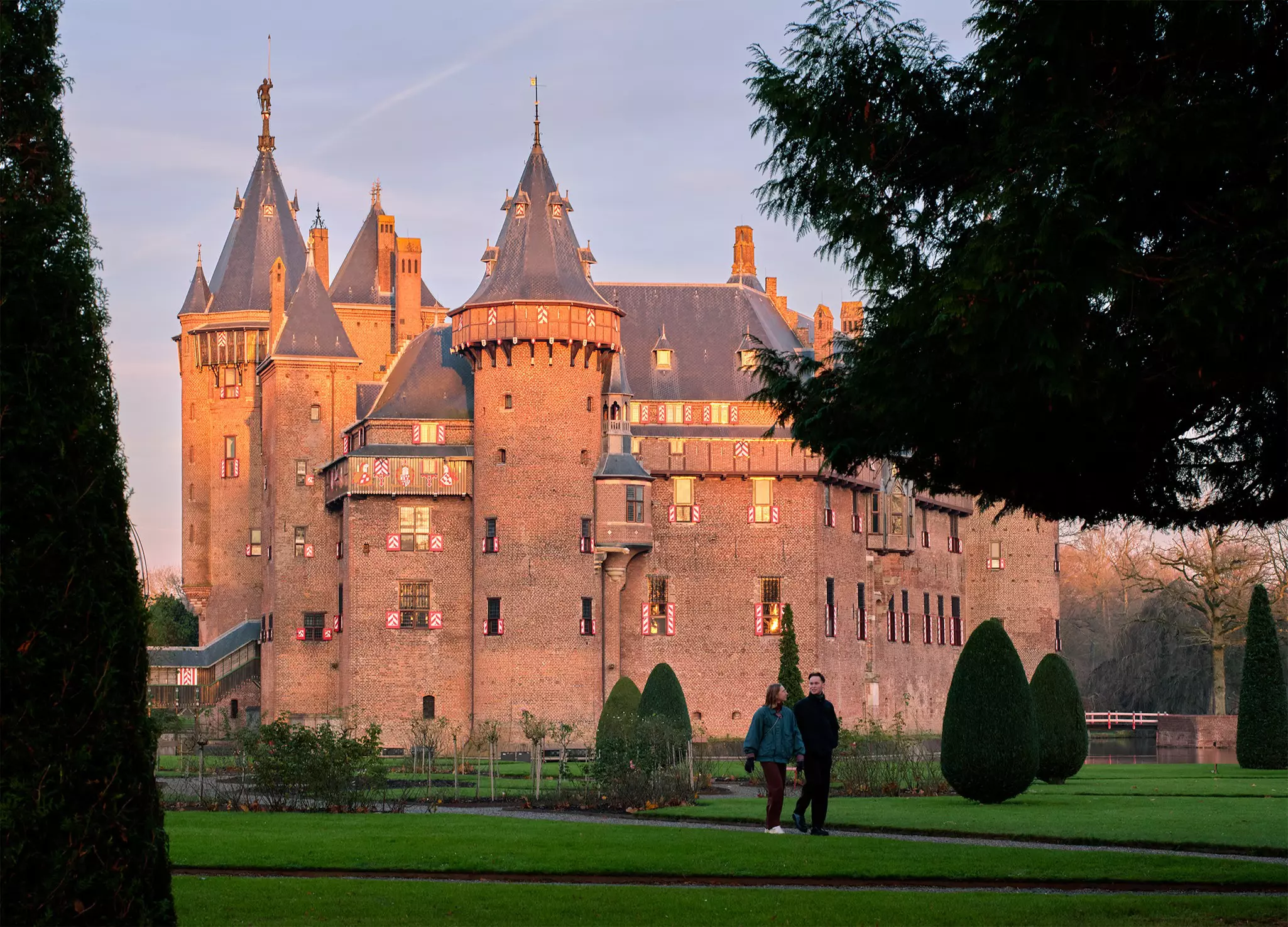
True to Dutch form, Utrecht is bike-first city with a goal to double cycle commutes by 2030. It's hard not be impressed by the efficiency of it all. Hop on two wheels and the city opens up effortlessly. A short ride out from the center takes you to the Gothic sprawl of Kasteel de Haar, the largest castle in the Netherlands.
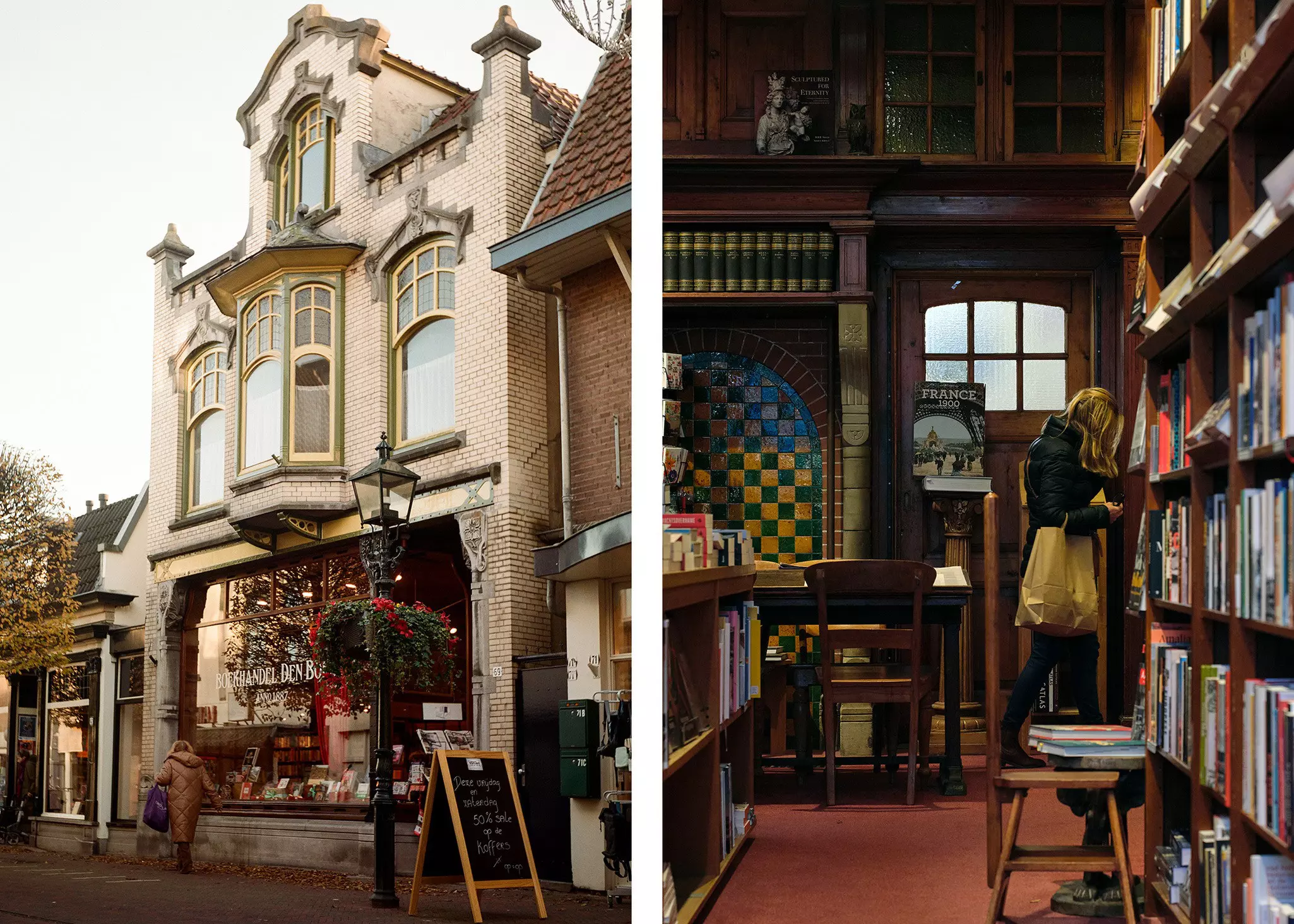
There are so many excellent bookshops in Utrecht like Boekhandel Bijleveld and the feminist bookshop Savannah Bay but a 30-minute bus ride out of the city will take you to what's considered the most beautiful bookshop in the Netherlands: Boekehandel Den Boer, an old wood-paneled space where the shelves threaten to collapse under an eclectic mix of titles. Even though the decor hasn’t changed in this art nouveau building since 1887, the selection of books is constantly updated.
It's an easy and calm city to to get to grips with. Maybe it's how the streets feel designed for people rather than cars, with bike paths and tram lines that make every corner feel within reach. Or perhaps it's the pace. Despite it being a university city, it feels delightfully calm. You can see how life unspools gently by the canals, with locals lingering over a coffee and a book, as though they have all the time in the world. Utrecht is a city that's hard to shake off and, before you've even left, you'll find yourself plotting your return.
All photos were taken by Samira Kafala for Lonely Planet.
Advertisement
Take your Netherlands trip with Lonely Planet Journeys
Time to book that trip to Netherlands
Lonely Planet Journeys takes you there with fully customizable trips to top destinations – all crafted by our local experts.