Advertisement
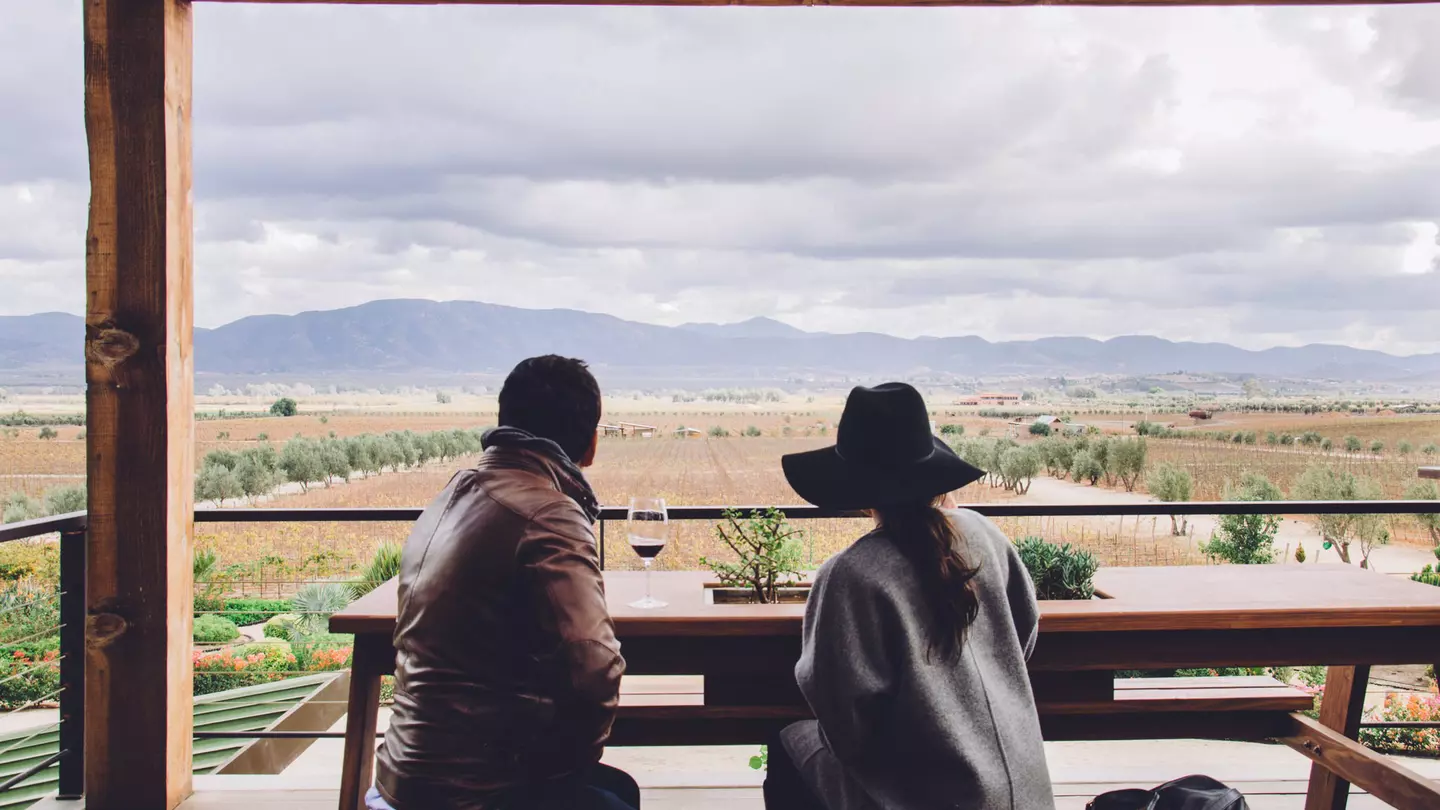
Wine tasting in the Valle de Guadalupe, Baja California, Mexico. Azucena Morales/EyeEm/Getty Images
One of the world’s longest peninsulas, Baja California stretches from gritty yet exciting Tijuana on the US border to the resorts of Los Cabos, some 1670km south via the scenic Transpeninsular Highway. Along the way lie rolling vineyards, snowcapped mountains, untamed deserts and turquoise seas that astonish with their beauty.
Baja is rich in wildlife yet sparsely populated by Mexican standards, appealing to sun-dazed surfers and RV nomads, big-city folks and outdoor enthusiasts alike. But the peninsula is not just for tourists: bajacalifornianos take great pride in (and advantage of) their traditional cattle ranches, eco-conscious organic farms, and wildlife-rich marine parks and protected nature reserves.
The Jesuit missionaries who first trudged down the peninsula left their mark through numerous missions – some in ruins; some, such as the one at Loreto, still operating today. Someone else drawn to Baja’s charms over the decades was musician Jim Morrison, who regularly visited San Miguel, near Ensenada.
Nowadays, the peninsula is known for sportfishing, diving, surfing, desert-fringed beaches and epic nature encounters, including with whale sharks and massive gray whales. And then there’s the unforgettable culinary scene: beer-battered fish tacos and Baja Med cuisine plus aromatic local wines deliver the ultimate flavor fiesta.
Advertisement
From culture to nature to food, these are the top things to do in Baja California, Mexico.
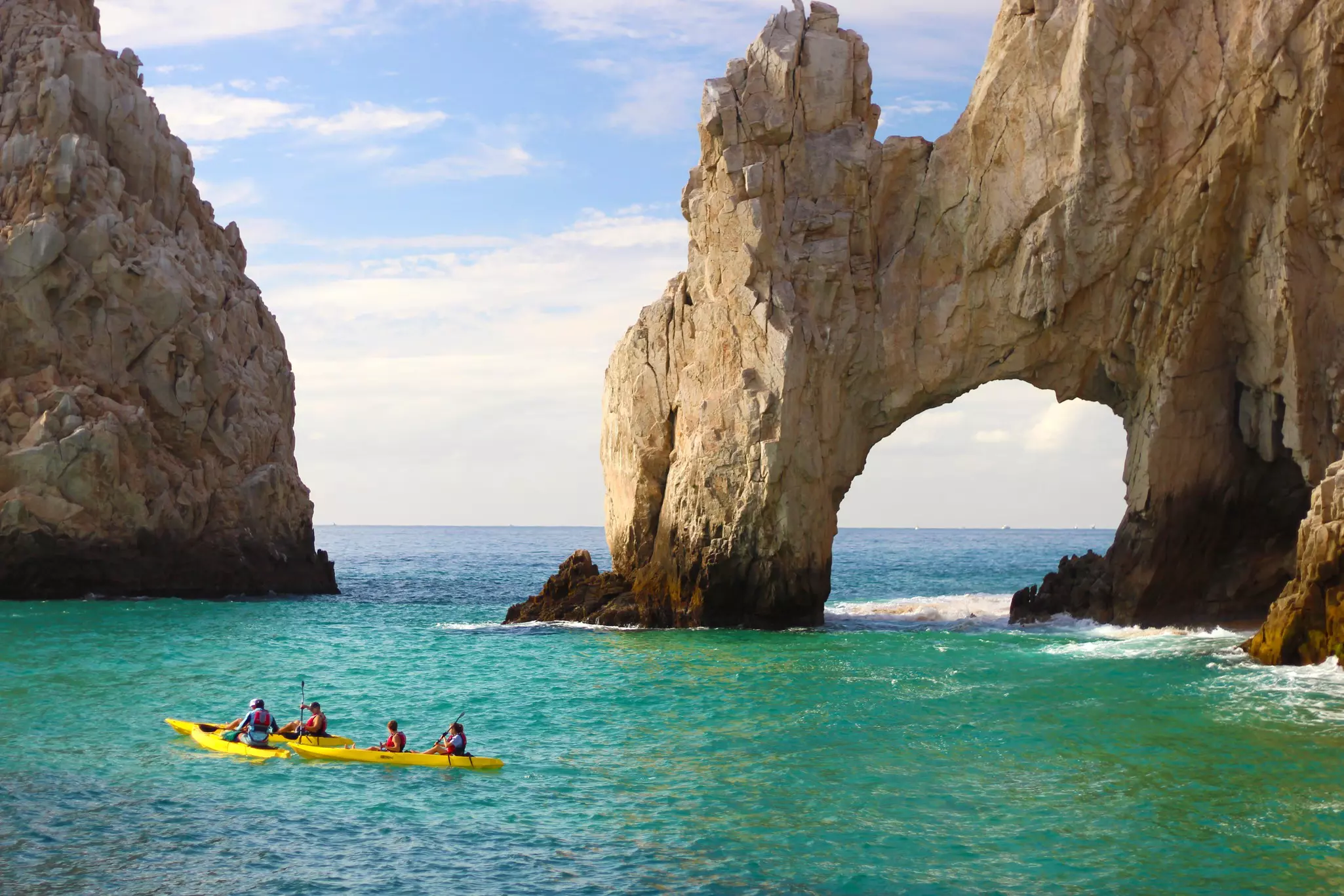
1. Hop in a boat or kayak to admire El Arco in Los Cabos
At the southern tip of Baja California, Los Cabos consists of two twin yet quite different cities: arty, relatively chill San José del Cabo and party central Cabo San Lucas. And while the latter is probably best known for Vegas-scale nights out (and hazy mornings to follow), it also has Baja’s most iconic natural monument.
At the very end of Baja, Land’s End and its emblematic El Arco (the Arch) are worth admiring from the water. True, you’ll be far from the only boat near the site – but that won’t matter, as the natural rock formation is as photogenic as you can imagine. What’s more, from a boat, you can get close to the resident sea lion colony as you cruise by.
Most people combine a trip in a water taxi or glass-bottomed boat to El Arco with a stop at nearby Playa del Amor (Lover’s Beach). The water-taxi captains will expect to either drop you off and return in several hours, or at least to wait 15 to 30 minutes while you take pictures. If you have cell service, get the captain’s number and simply call when you’re ready to be picked up.
While water taxis departing from the marina are the cheapest and easiest way to reach Land’s End, there are more interesting options, such as renting a kayak on Medano Beach and paddling out to the landmark, weather permitting.
Local tip: For a sensational bird’s-eye view of Land’s End, a local named Enrique runs frequent guided tours to the top of Mt Solmar.
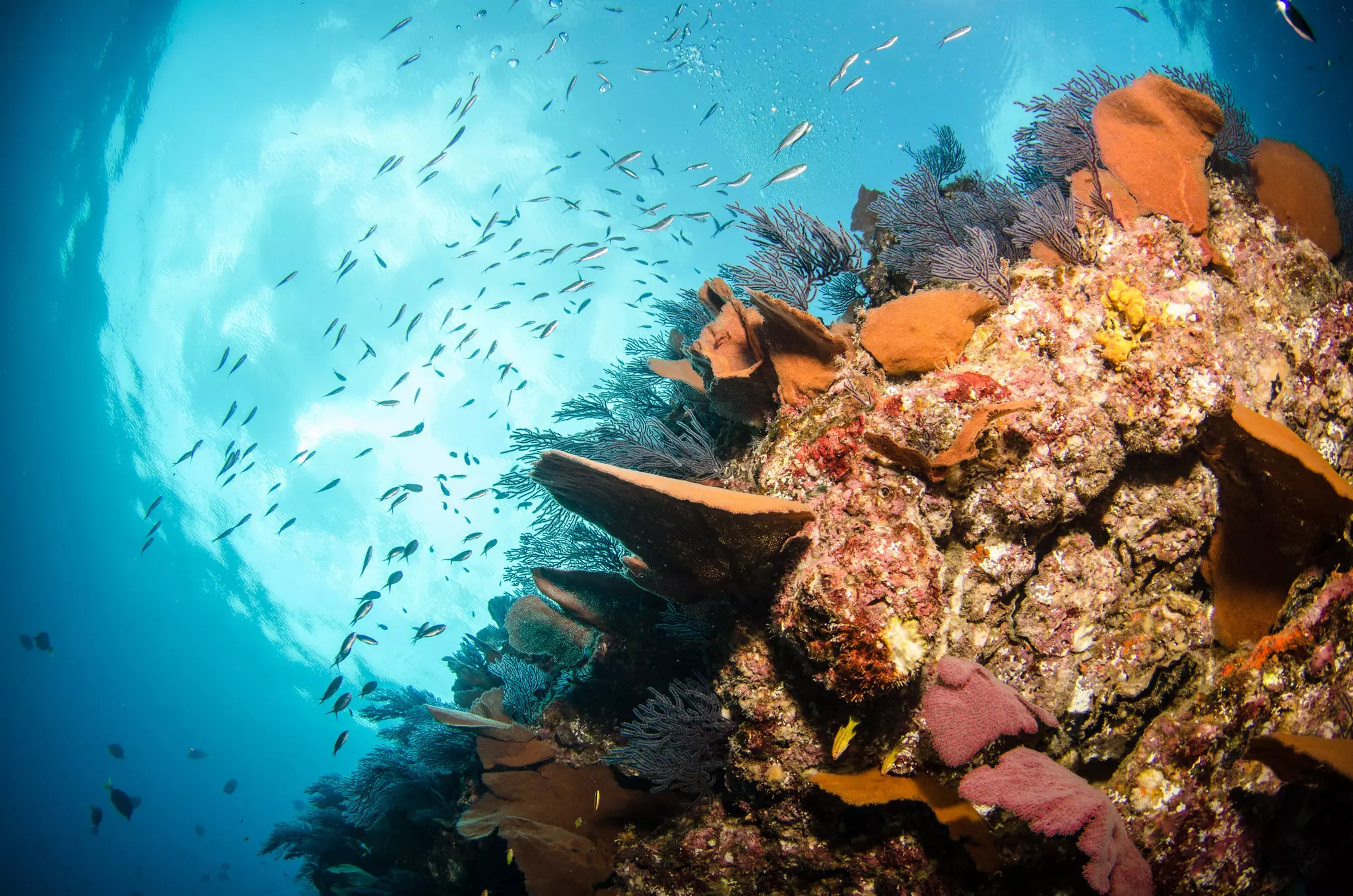
2. Explore a wildlife-rich coral reef at Cabo Pulmo
Less than a 2-hour drive away from Los Cabos’ throngs, on the eastern side of the peninsula, lies the natural wonder of Cabo Pulmo. Don’t be fooled by this quiet village of mostly fishing and diving shacks, a few restaurants and a handful of hotels and bungalows, for the area has one of the world’s most northerly coral reefs: Parque Nacional Cabo Pulmo has been a protected marine park since 1995, and inscribed on UNESCO’s World Heritage list since 2005. Billed as the “aquarium of the world” for its biodiversity, it’s a truly fantastic spot for snorkeling and diving.
While underwater activities are the main draw, Playa El Arbolito is a popular sunbathing spot for couples or families; from there, a cliff-side trail runs out to a beautiful and isolated rocky point called Cabo del Shiro. This walk requires a bit of climbing at the start and can be somewhat challenging at times, but you’re rewarded with eye-catching, wave-washed rock formations and a glorious seascape.
Planning tip: Snorkeling in these isolated surroundings is extremely gratifying, but remember to check visibility conditions beforehand, as the waters might not wish to cooperate with your plans.
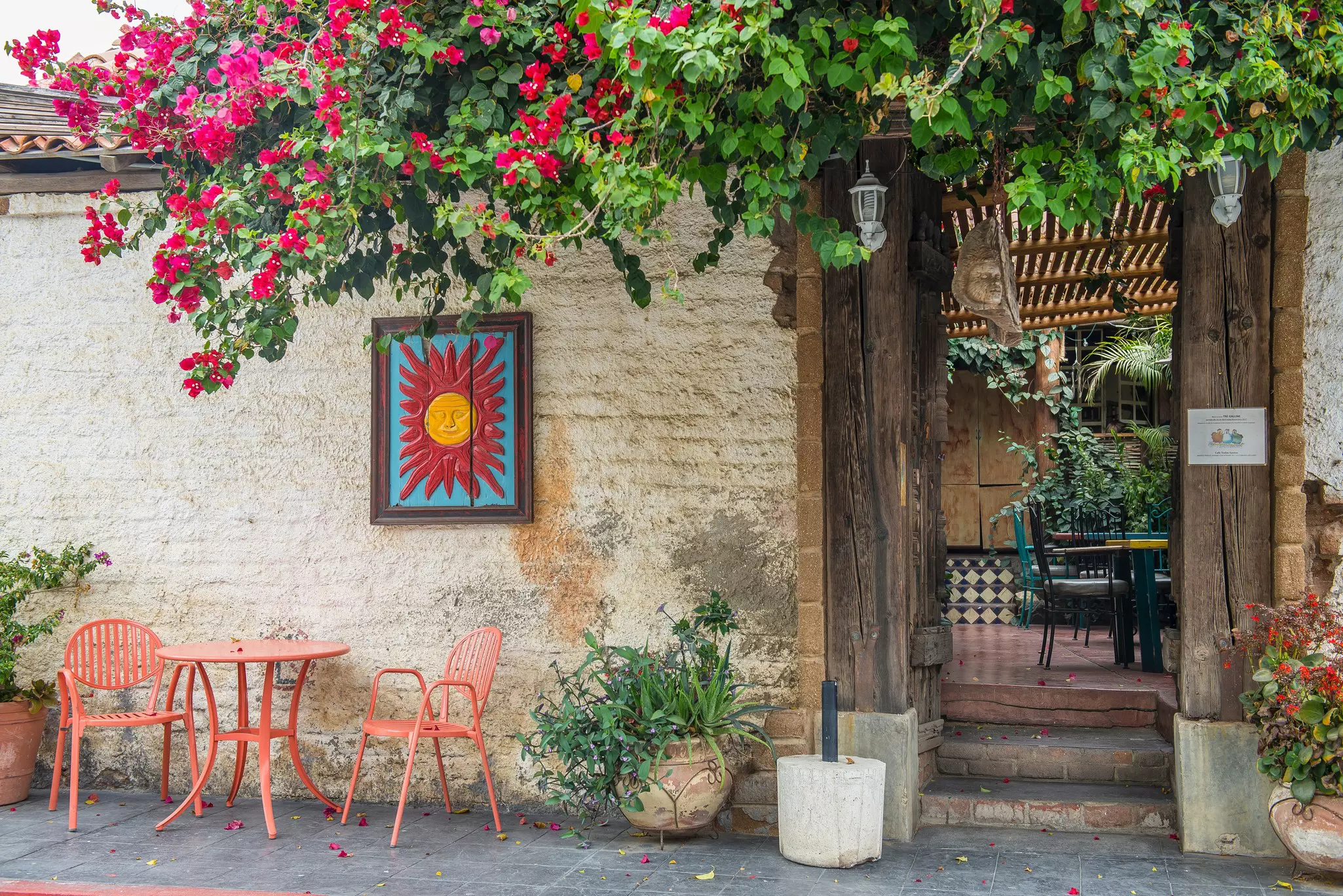
3. Embrace the vibes of arty Todos Santos
A chill yet fast-growing town on the Transpeninsular, Todos Santos is calm and cultured, its cobblestone streets lined with restaurants offering a mix of tasty local food and international options. Crumbling brick and adobe structures stand beside brand-new buildings, with tiny mom-and-pop shops operating next to vegan restaurants and organic-produce stands.
Art lovers will feel instantly at home here thanks to the town’s numerous galleries, boutique stores and craft shops. In common with Sedona, Arizona, Todos Santos is said to lie on a key “vortex convergence, ” and many claim the place resonates with spiritual power. Whether you plug into such frequencies or not, it’s hard not to savor the town’s vibe after the frenetic pace of Los Cabos.
Planning tip: For great hiking with striking panoramic views, head for the cliffs of Punta Lobos, where you’ll hear sea lions barking on the rocks below. It’s also a good spot to hook up whale-watching outings with the local fisherfolk between January and March.
Advertisement
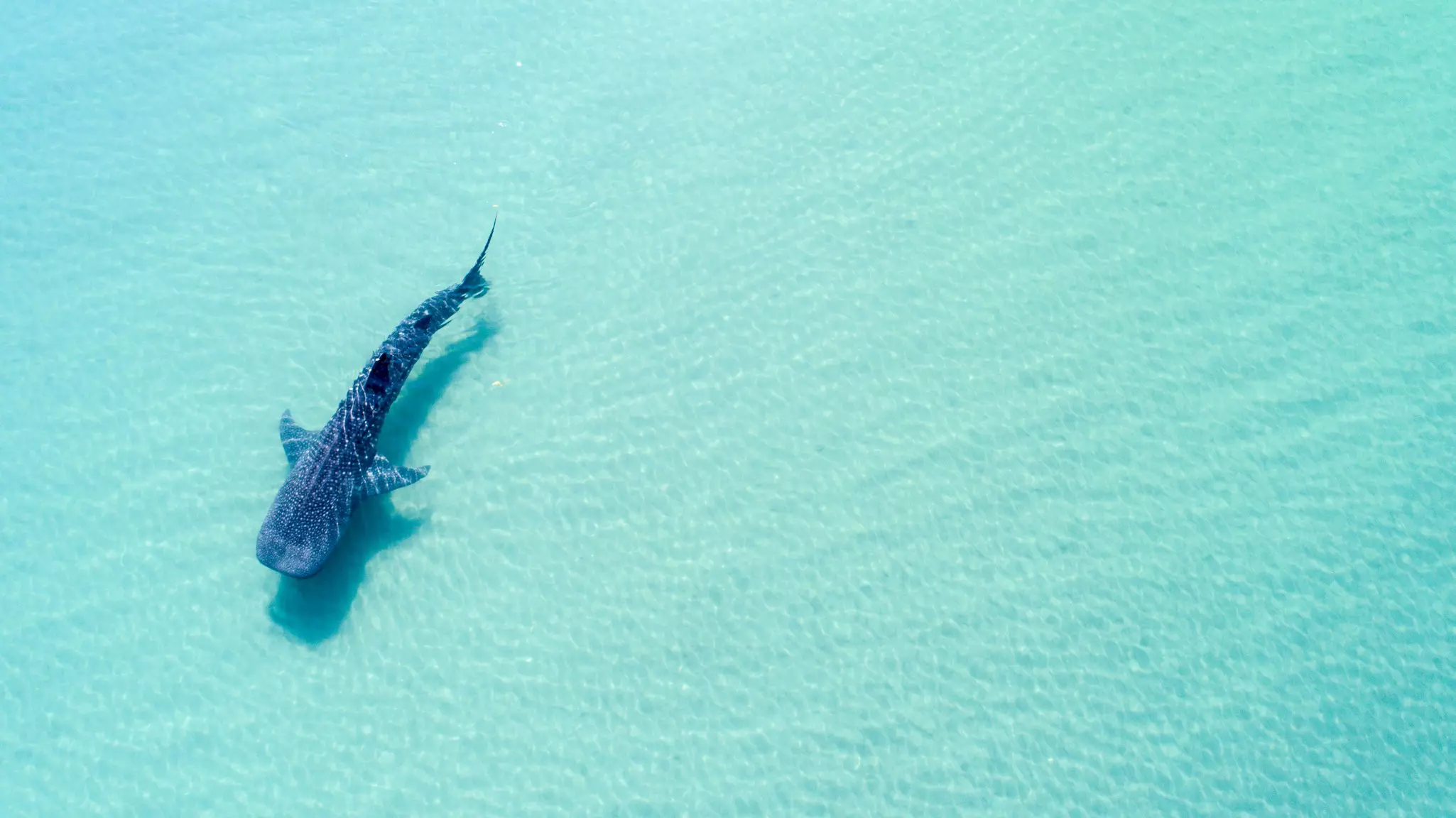
4. Swim with whale sharks in the Gulf of California
There are only a few places in the world where you can swim with giant whale sharks – gentle, speckled filter feeders that are the world’s largest fish. Just off the barrier peninsula that encloses Baja’s La Paz Bay, juvenile whale sharks congregate, feeding in the warm waters before heading off to other parts of the planet. (Little is known about these fish, which can reach 19m in length but average 9m or so. Active research is ongoing around whether they migrate to other parts of the world or stay in the Gulf of California.)
Several tour operators can take you out, sometimes with marine biologists on board, to approach or even swim alongside these majestic creatures. Top outfits include Whale Shark Mexico, whose experts will fit you up with tools to help study the sharks. Alternatively, La Paz Divers operates whale shark outings with a marine biologist guide.
Planning tip: Most visitors hop aboard shared motorboats that head out from the malecón (waterfront promenade) in La Paz, a more affordable option than private tours. But given the large group sizes and strict regulations allowing only a handful of swimmers in the water at a time, you might wish to shell out for a smaller, more personalized outing.
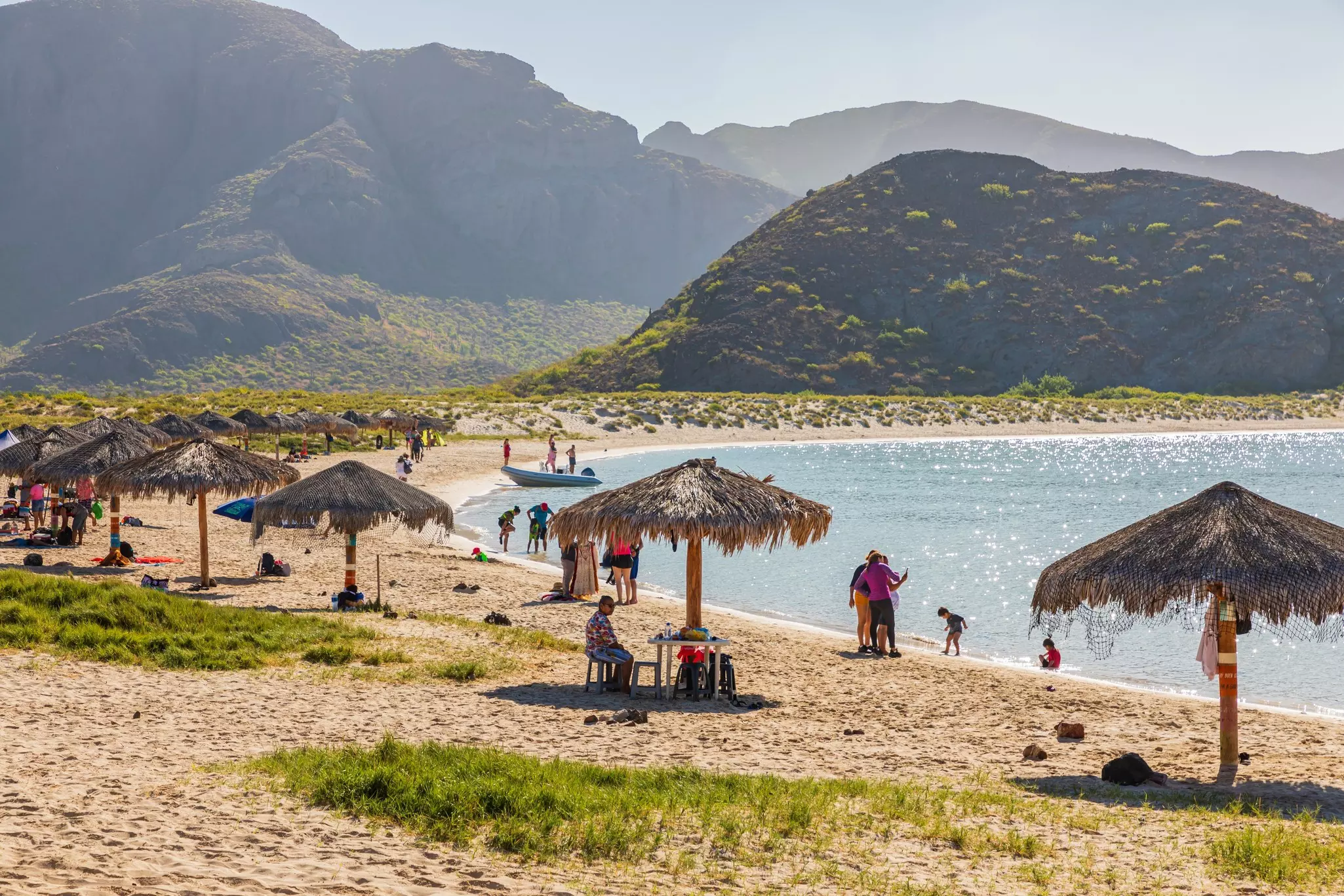
5. Lie out at the drop-dead gorgeous Playa Balandra
The beaches around La Paz promise powder-white sand abutting aquamarine bays and coves perfect for exploring. Indeed, no one would be disappointed with sunny days spent at Playa El Coromuel and Playa El Caimancito, the closest beaches to downtown.
But the most impressive beaches lie further north, especially dazzling Playa Balandra, where cerulean waters and the surrounding cliffs make for glorious swimming and hiking. (The sun here is no joke; reapply your SPF more often than you think you’ll need to.) Depending on the tides, Balandra’s three connected bays can be as shallow as knee-high or deeper than a swimming pool – and their soft, white sands and clear waters are always spectacular. The adventurous can wade out to a famous mushroom rock formation, which has become an Instagram hit.
Planning tips: Given Balandra’s popularity, beach access is regulated to control overtourism. You can visit either from 8am to noon or 1pm to 5pm; only 450 people are allowed per time slot, which you should reserve online in the form of a “digital bracelet.“ Don’t be surprised if you find yourself waiting in a long line of cars to get in and arrive early to secure a spot.
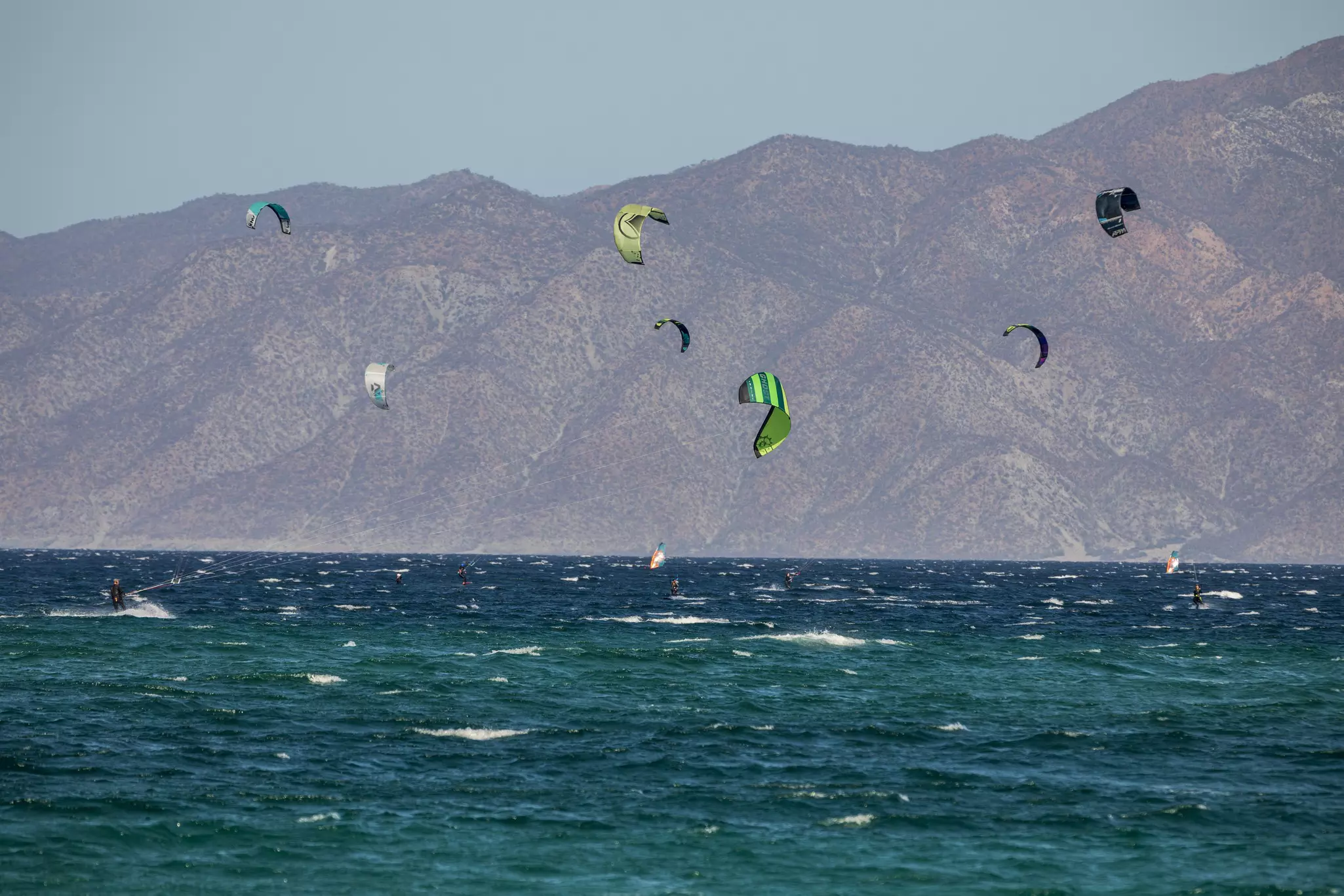
6. Go kitesurfing or diving in La Ventana
Tucked on the far eastern side of the La Paz peninsula, La Ventana has gone from sleepy village to hot, hip destination that’s on every wind-sporter’s map. Or it should be, thanks to the unparalleled winter trade winds that make for dreamy conditions for windsurfers, kiteboarders or foil surfers. Indeed, at times, the whole horizon is filled with sails and kites in a colorful display.
La Ventana has much to offer below the surface, too, with great diving and snorkeling just offshore. The waters surrounding Cerralvo Island (aka Jacques Cousteau Island) and its smaller rocky outcrops offer incredible water clarity, thanks to the relative lack of current in the Gulf of California. For those looking to explore the area on land, exciting Indigenous cliff paintings and petroglyphs can be accessed via great hikes.
Planning tip: If you’re interested in learning kiteboarding, head straight for Elevation Kiteboarding at Baja Joe’s Resort, which offers classes from beginner to advanced – plus a fun way to meet fellow travelers.

7. Sample Ensenada’s fabulous food and raucous nightlife
As with any cruise-ship port, Pacific-facing Ensenada can feel quiet, even dead, one night and fill with frenetic energy the next. Among the cheesy souvenir shops and raucous bars catering to spring breakers, Ensenada also has calmer brewpubs, sidewalk cafes and quiet restaurants where you can have intimate conversations with locals.
Anyone who visits is almost required to stop at Hussong’s Cantina. Open since 1892, it’s Baja’s oldest drinking establishment and retains its old-timey feel, with double-hinged saloon-style doors, a bar that takes up much of the room and wooden floor planks polished smooth by decades of patrons’ footsteps. A more modern yet still convivial ambiance awaits at Casa Verde Brewpub, while urban-chic Wendlandt Brewpub serves up some of Baja’s best craft beers along with very good fish tacos.
Ensenada’s dining options range from affordable seafood stalls around the lively Mercado Negro to outrageously delicious corner taco stands and places serving excellent Mexican and international cuisine. Happily, surf culture has helped make beer-battered fish tacos an option just about everywhere, while Anthony Bourdain put the seafood cart La Guerrerense Carreta on the map.
Planning tip: Look for more great street food along Av Alvarado, or along Blvd Costero (the waterfront boulevard) and Av López Mateos. Along the latter you’ll also find no shortage of coffee shops and restaurants offering everything from regional Baja-style fare to innovative fusion food.
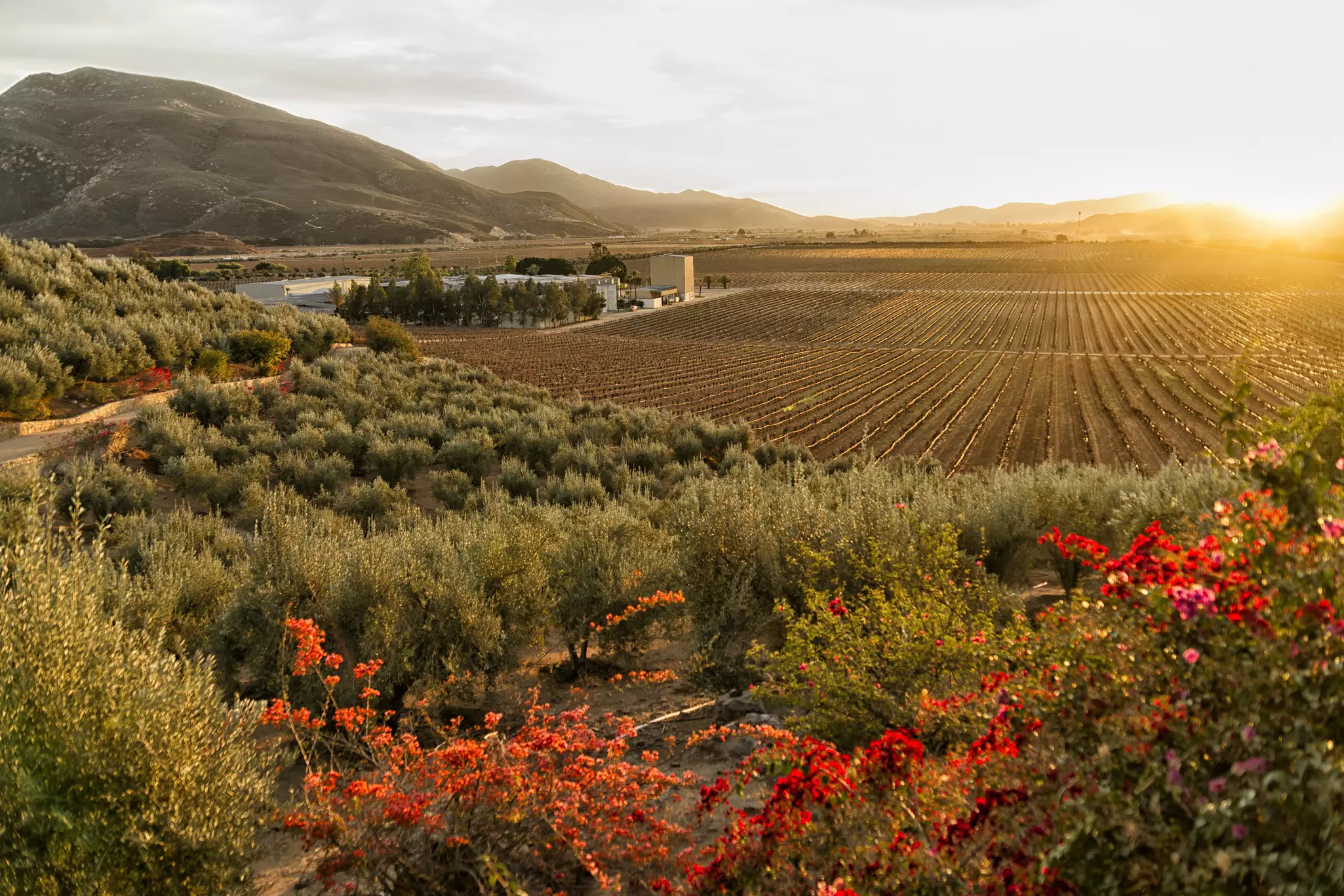
8. Hit the wine trail in the Valle de Guadalupe
Even though it’s one of the oldest wine-producing regions in the Americas, the Valle de Guadalupe has become a newly hip destination for wine tourism, drawing stylish aficionados from the USA’s West Coast – and beyond. Along the Ruta del Vino (Wine Route), you’ll find an intoxicating blend of luxury lodging, wine tasting and fine dining in laid-back rural settings. Think dirt roads and cacti amid the grapevines.
Before diving into the tastings, get some background on the rich history of wine in the region at Museo de la Vid y El Vino, where exhibits explain the winemaking process and much more. Then it’s time to hit up appealingly low-key, family-run vineyards; we love Vena Cava and Clos de Tres Cantos. It’s also fascinating to get a glimpse of the inner workings of the larger, more industrialized setups at such wineries as Monte Xanic (make an appointment beforehand). In late July and early August, wine lovers descend on the valley and Ensenada to celebrate the Fiesta de la Vendimia (Grape Harvest Festival).
Detour: Valle de Guadalupe dominates perceptions of Baja wine country. Yet real insiders also know the Ruta Antigua (Old Route), which runs south of Ensenada. While you won’t find much in the way of boutique hotels and gourmet restaurants here, its vineyards, including industry giant Santo Tomás, are often pleasantly crowd-free.
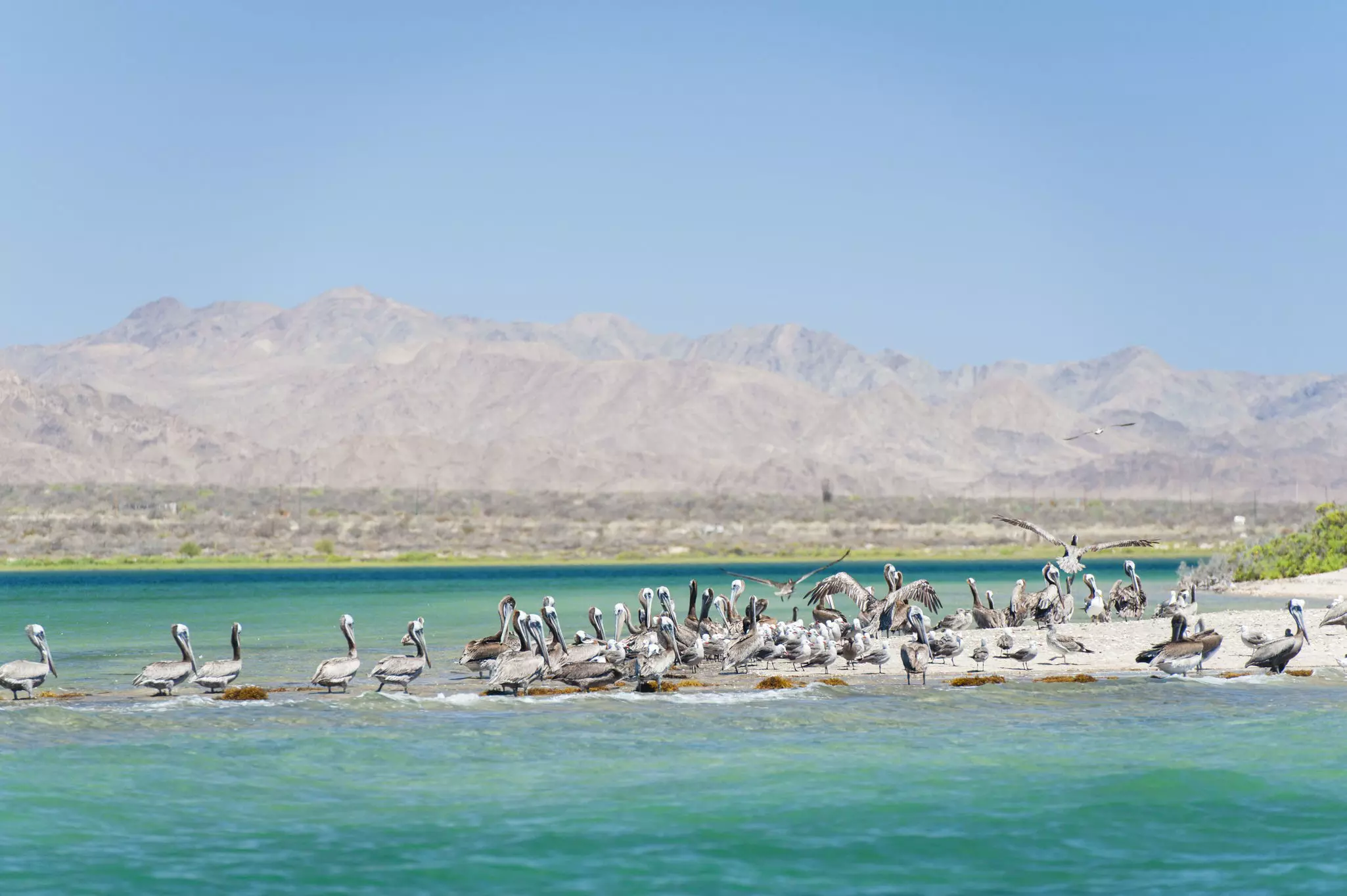
9. Take a road trip across the desert to the sea
If you’re thinking about exploring Baja from north to south, an alluring, off-the-beaten-track road trip in the top part of the peninsula makes a strong first impression, offering up desert valleys, oceanfront hot springs and more.
From gulf-side San Felipe, head about 25km south along Hwy 5 and look for the dirt road turnoff to Valle de los Gigantes park. From the entrance, it’s a short drive to a silent valley replete with towering cardon cacti, which can grow up to 20m and live for some 300 years. Bring water and snacks.
Next up, look for the Rancho Percebú turnoff about 7km south on Hwy 5, then follow the signs to Chenowth Legacy Lodge. Not only does this lodge overlook beautiful Percebú Beach, it also houses a unique off-road museum with racing vehicles ranging from vintage buggies to trophy trucks. Even non–motorsport enthusiasts will appreciate the collection of owner Lynn Chenowth, a legendary vehicle builder. The lodge’s aptly named oceanfront restaurant, Pit Stop, makes for a pleasant break from the road.
Next, pick up the highway again at the turnoff and drive about 55km south to reach Puertecitos, a small town consisting mostly of vacation homes and camping grounds that’s also known for its scenic hot springs by the sea. Down on those glistening rocks you can soak in natural pools with a sweet ocean view. Simply plop down and let the healing waters work their magic.
After a thorough soak, the next 77km stretch leads to beautiful Bahía San Luis Gonzaga. At the first turnoff, head past the security checkpoint to Hotel Alfonsinas, where you’ll find an inviting oceanfront restaurant-bar with plenty of fish tacos. The main attractions are the beach’s pristine waters and views of the surrounding mountains, especially spectacular from a kayak.
The last leg is a 170km ride that cuts through a Seussian desertscape en route to eco-conscious Bahía de Los Ángeles, a protected bay teeming with marine life that spoils visitors with its glorious isolation. Depending on the season, you can kayak, dive or swim alongside whales, whale sharks or sea lions. Campo Archelon, with its excellent on-site restaurant, Siete Filos Cafe, provides a memorable base should you decide to stick around.
Planning tip: If you love big trucks, truggies and buggies, count on visiting San Felipe in spring, when the region’s relative tranquility is punctuated by the famous – or infamous – San Felipe 250, an annual, raucous 250km off-road race.
This article was adapted from Lonely Planet’s Mexico guidebook, published in October 2025.
Advertisement