Advertisement
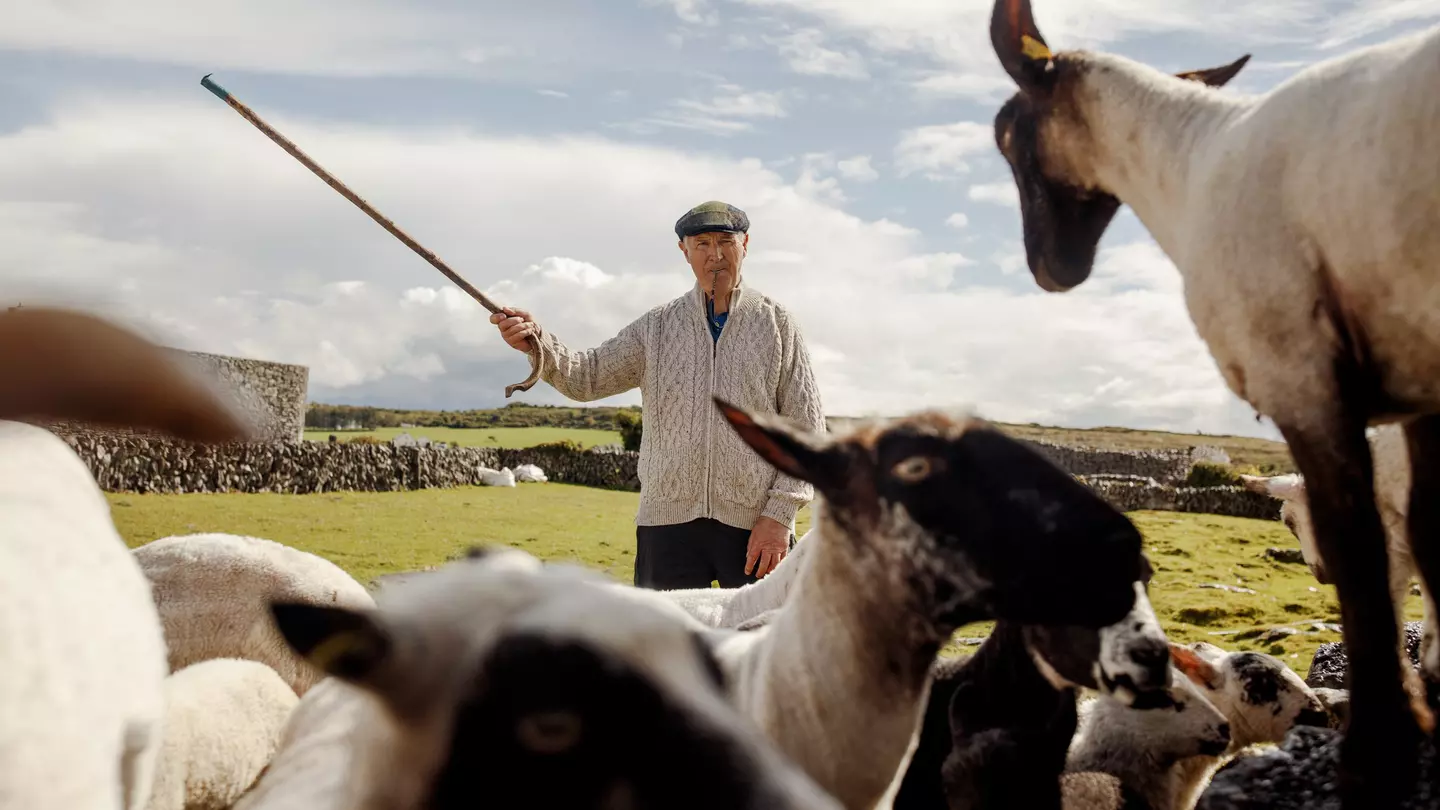
Sheepdog farmer John Davoren at Caherconnell Stone Fort, County Clare, Ireland. Robert Ormerod for Lonely Planet
A lifetime of living in Ireland has taught me the most important rule about my native country: never assume anything. This is a place that delights in confounding even your most comfortable expectations about...well, everything – from weather to wi-fi.
Beyond that, I have practical tips for travelers, too – about VAT refunds, say, and the most efficient ways to get around. And I can never resist a few suggestions on how to crack the mightiest nut of all: the Irish themselves. Because while it’s true that Ireland has gorgeous landscapes, a rich history and the best pubs in the world, your visit will only be truly memorable if make an effort to know the Irish people – friendly and welcoming, contradictory and inscrutable.
Here are 10 things I think any first-time visitor to Ireland should know.
Advertisement
1. Plan on at least 7 days to start making sense of the country
Ireland may small, but there’s an awful lot to see within its borders. Luckily, distances in Ireland aren’t huge, so you can get between most points in a few hours. But the list of just where you want to go can get very long, very quickly.
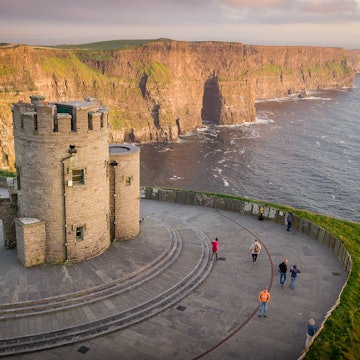
It’ll take you a couple of days to even begin to make a dent in Dublin. And beyond the capital, you’ll need at least 5 days to make a lightning-stop tour of the major highlights of the west: Galway and Connemara; Clare, where you’ll find the Cliffs of Moher and the best traditional music in the country; Kerry, where you’ll need a whole day just for the Ring of Kerry and another for the Dingle Peninsula; and Cork...only it’ll time to go home, so you can only make enough time for Cork City.
Clearly the only solution is to plan for a month. At the end of which, you’ll be wanting to stay a year.
2. Dress casually
The Irish aren’t big on formalwear, only pulling it out for very specific occasions (a wedding, a ball, the opening of a parliamentary session). Which means you can wear pretty much whatever you want. Smart casual is the most you'll need for fancy dinners, the theater or the concert hall.
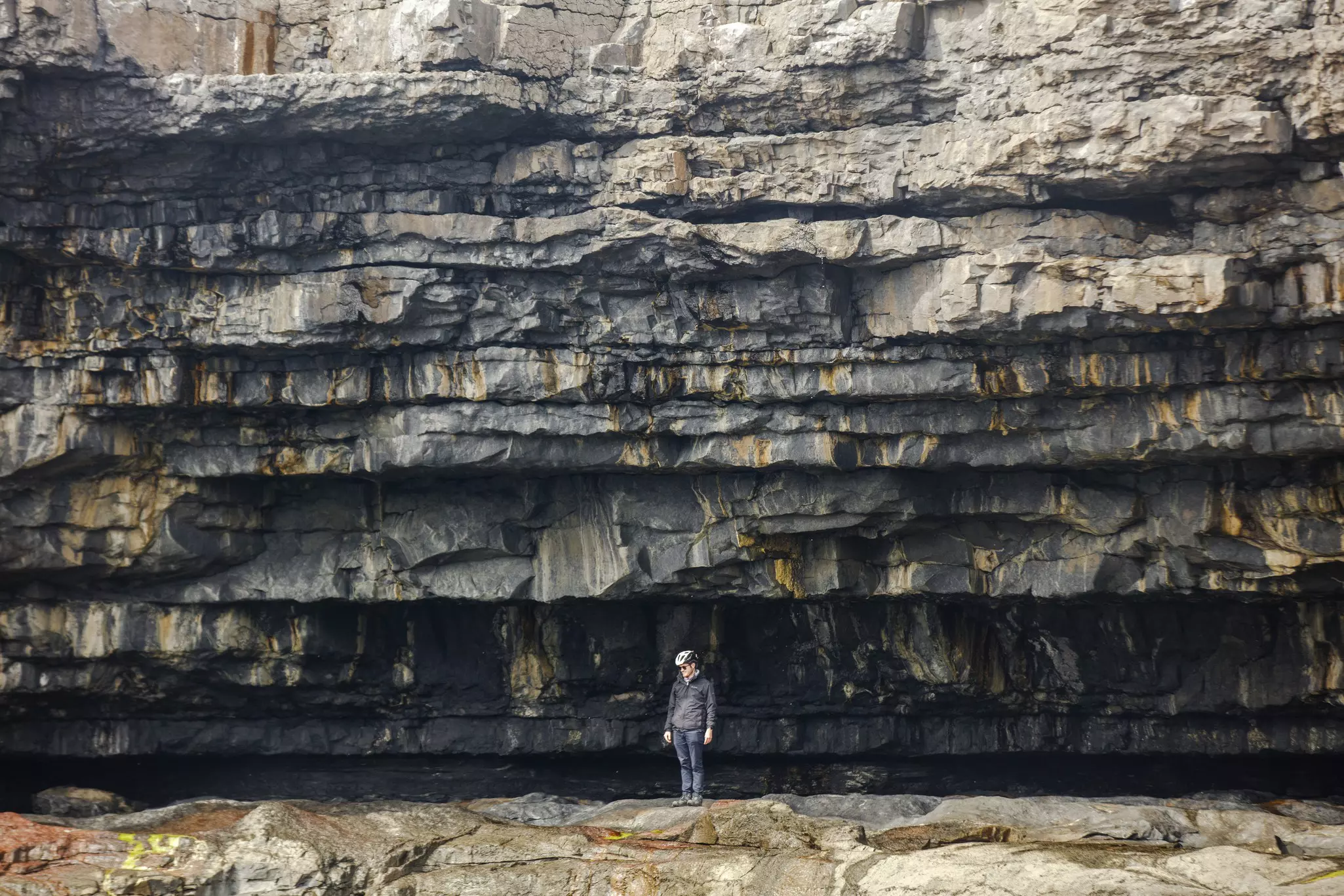
Irish summers are warm but rarely hot, so you’ll want something extra when the temperatures cool, especially in the evening. While the ever-changeable weather will determine your outfits, a light waterproof jacket should never be beyond reach for the almost-inevitable rain. If you’re planning on doing a lot of walking – in cities or on hills – a good pair of walking shoes, preferably waterproof, will be a godsend.
3. Pick the right season to travel
June to mid-September is high season: the weather is at its best and the most popular parts of the country – Dublin, Kerry and the southern and western coasts – are at their busiest. The downside is big crowds and the highest rates for accommodation and car rentals.
Advertisement
Rates drop off from mid-September as the crowds start to thin, but most tourist spots are still open to take advantage of the last weeks of the season. Although weather can never be predicted with any degree of accuracy, days can stay surprisingly lovely up to mid-October.
Low season runs from November to the middle of March. While Irish winter days are short, damp and cold, the upside is fewer visitors and some terrific accommodation deals. A lot of the west coast goes into winter hibernation, though, with many attractions and hotels closing down. If you’re planning to visit during this time, you should check what’s open before you travel.
4. Irish welcomes are different than you think
Céad míle fáilte – literally, 100,000 welcomes. The famous Irish greeting suggests a country that is big on big displays of affection, but nothing could be further from the truth. A firm handshake – crucially, with eye contact – is the appropriate greeting when meeting men, women and older children for the first time. Once a friendship is established, then all bets are off and anything goes, from a hug and a kiss on the cheek (primarily among female friends) to an air nod and a casual “hey.”
Younger Irish are less formal than their older counterparts, but even they generally skip effusive greetings. More often than not, a quick handshake and a casual nod is the best way to say hello for the first time.
5. The Irish love to talk...until they don’t
The Irish are renowned for their ability to chat, yet with people they don’t know particularly well they generally like to keep it to topics that are light and not likely to embarrass. Despite their gregarious nature, the Irish tend to be reserved when it comes to life’s more serious issues and are very mistrustful of people who overshare.
It’s a bit of a simplification to rely on the old adage that the Irish will talk about anything except sex, religion and politics. Yet if you do find yourself steering into deeper waters and sensitive matters, it’s always better to listen than hold forth. For locals aren’t shy about getting into heated discussion among themselves about all kinds of topics – but tend to take a dim view of outsiders who express (even legitimate) criticisms of Ireland or the Irish.
6. You’d better learn about the rounds system
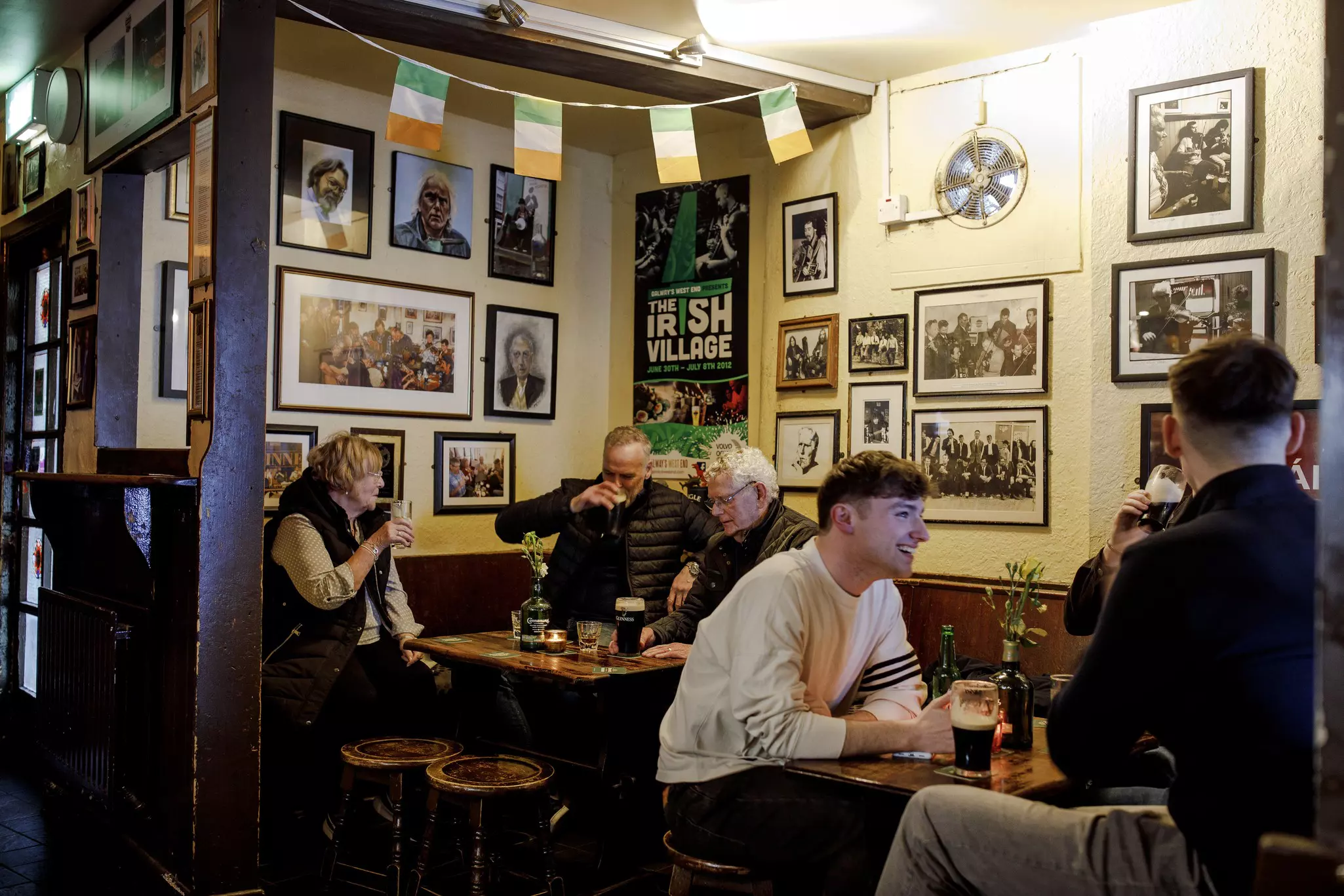
It’s a firm rule of drinking with locals: if someone buys you a drink, you’re obliged to buy them one back. Indeed, this is the bedrock of Irish pub culture. Nothing will hasten your fall from social grace here like the failure to uphold this unwritten pub law.
The time to repay the drink you’re drinking? It’s when the person you’re drinking with is just about to finish theirs. It doesn’t matter if you’re halfway through your own drink at that moment: you can’t let your drinking buddy sit in front of an empty glass. Your greatest challenge will probably be trying to keep up with your fellow drinkers, who may keep buying you drinks with every round even when you’ve still got a collection of unfinished pints in front of you...and you’re sliding down the bar.
7. The best way to visit cities is on foot or by public transport...
Driving and parking in Irish cities is a nightmare. There’s no free parking, the unrelenting traffic will test even the most patient of drivers, and the one-way streets in major urban centers will confound you to the point of madness (even if map apps have gotten pretty good at pointing you in the right direction).
The good news is you don’t need a car to visit Irish cities. Dublin, the biggest one by far, has a pretty decent system of public transport, but even then most of the major sights are within walking distance of each other. Same goes for Cork, Belfast, Limerick and Galway, which are better explored without a car.
8. ...but the easiest way to explore most of Ireland is by car
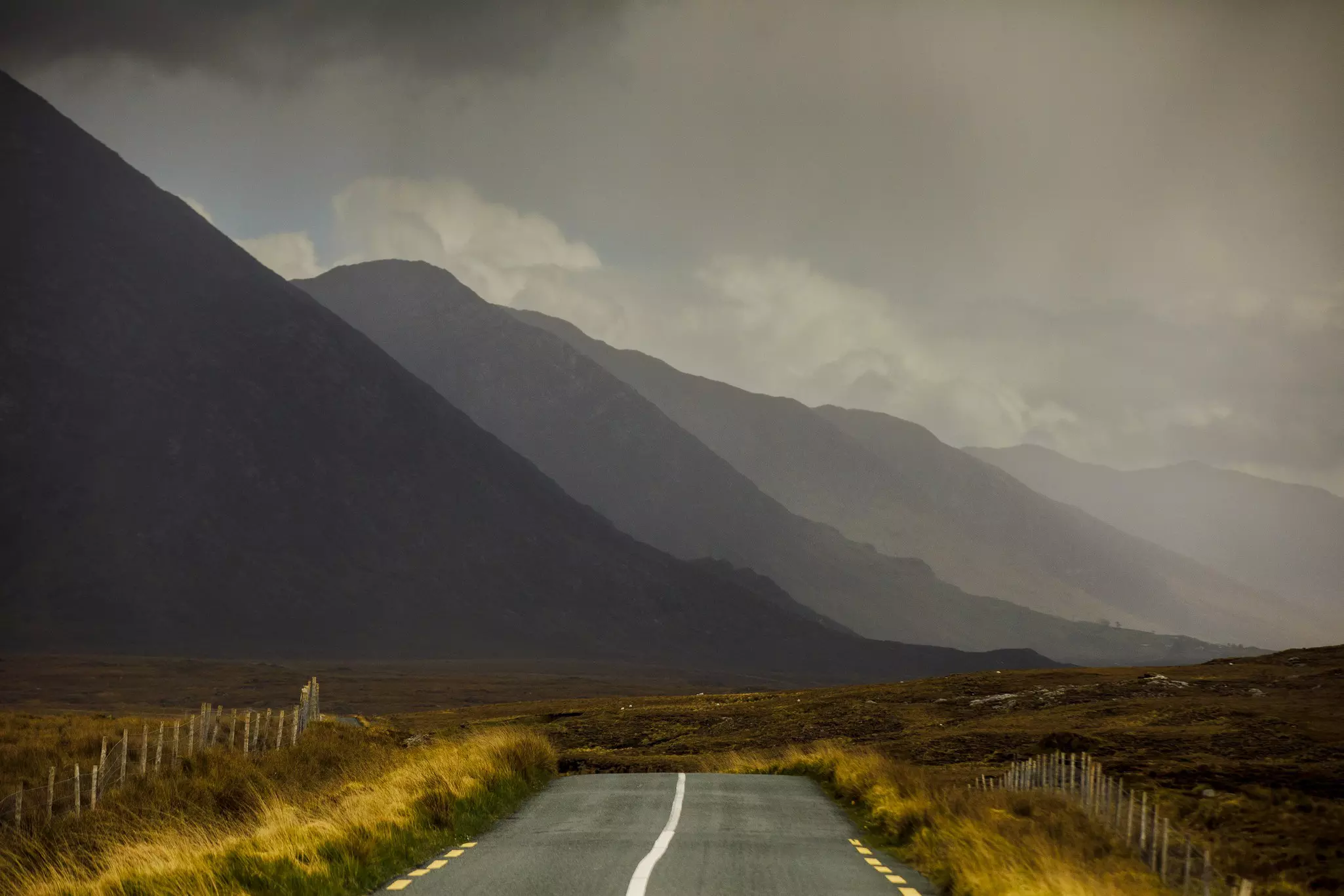
If cities are best navigated without a car, the most effective way to explore the rest of the country is with one. Made up of a mix of public and private operators, the bus network is extensive and generally quite competitive, though journey times can be slow and many points of interest outside towns are not served. The rail network is quicker but more limited, serving only some major towns and cities. Note that both buses and trains get busy during peak times; you’ll need to book in advance to be guaranteed a seat.
Cars can be rented in every major town and city. The Irish drive on the left-hand side; distances and speed limits in the Republic are measured in kilometers, but once you cross the invisible border into Northern Ireland (part of the United Kingdom) everything switches to miles.
9. Ireland is a great country for cycling
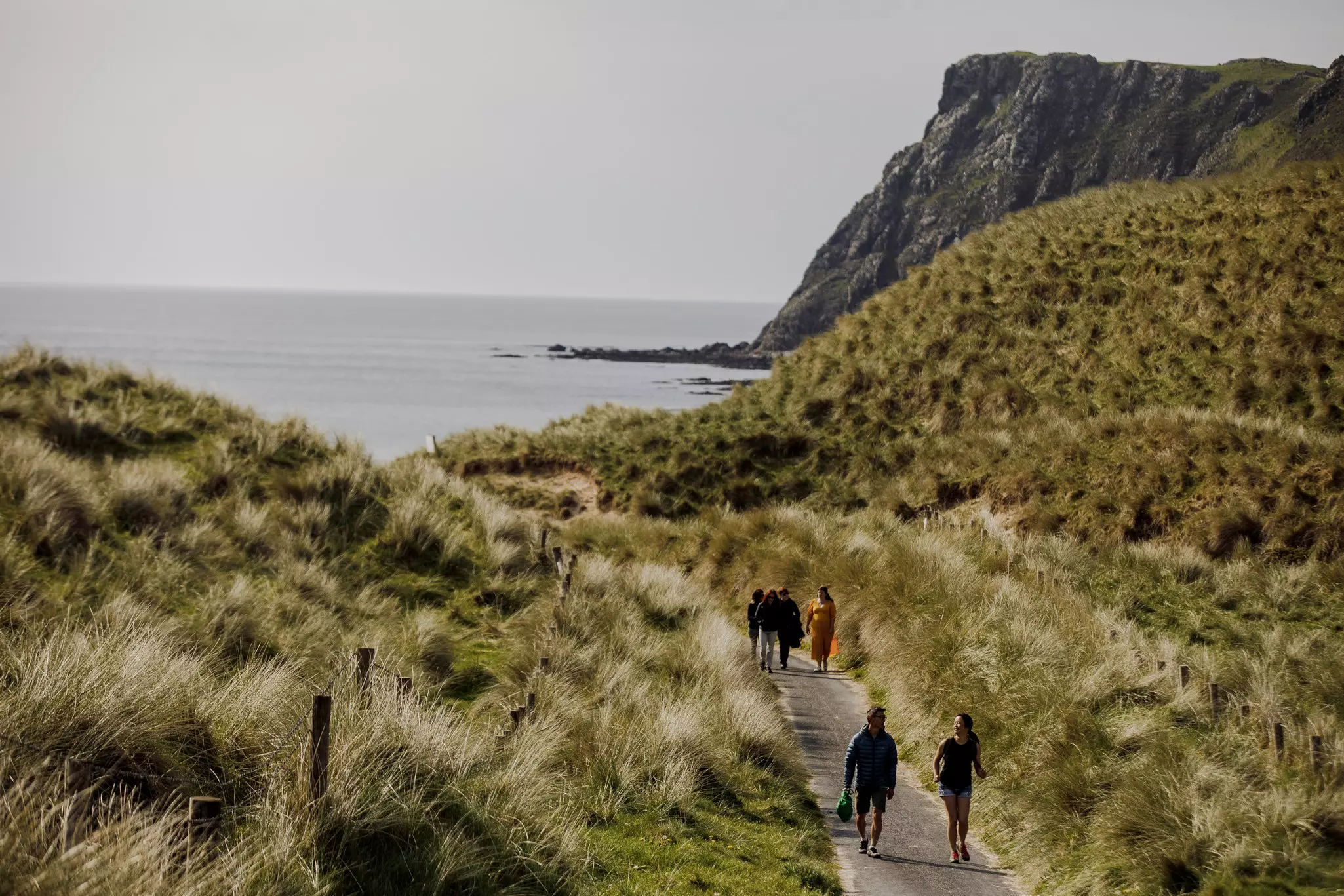
Ireland’s compact size and scenic landscapes make it a solid cycling destination – albeit one you need to prepare for. The weather is unreliable, roads can be very narrow and Irish drivers tend to drive quickly (even on those narrow roads). A growing network of greenways, such as the 42km Great Western Greenway in County Mayo, and the Royal Canal Greenway that runs through the Midlands, offer a smooth, hassle-free way to see the country from two wheels. A good tip for cyclists in the west is that the prevailing winds make it easier to cycle from south to north.
Buses will carry bikes, but only if there’s room. Intercity trains will also carry bikes, but you’ll need to book a space in advance given limited capacity. (Suburban rail services in Dublin, however, won’t take bikes during rush hour, from 7am to 10am and 4pm to 7pm.) A number of Irish companies arrange cycle tours, including Go Visit Ireland and Cycling Safaris.

10. Claim your VAT back if you’re visiting from outside the EU
The price of most goods in the Republic of Ireland includes a value-added tax (VAT) of 23%, which non-EU residents can claim back as part of the Retail Export Scheme, so long as the purchase was made with a credit card. Visitors from the UK can also benefit from this, but not visitors from Northern Ireland.
Before making a purchase, check that the retailer participates in the program. If they do, you will be issued an export voucher for the purchase, which you need to get certified by customs when you depart Ireland. The voucher then gets sent back to the retailer, who will refund you the VAT (minus any processing fee).
Rather than manage this paperwork themselves, many retailers use VAT-refunding agencies, in which case you’ll present an agency-issued certificate at customs. Some agencies will spare you from paying the VAT at the point of purchase – but if you don’t file the paperwork correctly (either by sending it back to the agency or presenting it to customs) your card will be charged later. Some goods such as books, children’s clothing and educational items are excluded from VAT altogether.
Advertisement
Take your Ireland trip with Lonely Planet Journeys
Time to book that trip to Ireland
Lonely Planet Journeys takes you there with fully customizable trips to top destinations – all crafted by our local experts.