Advertisement
Headed to Dubrovnik? Here’s what you need to know


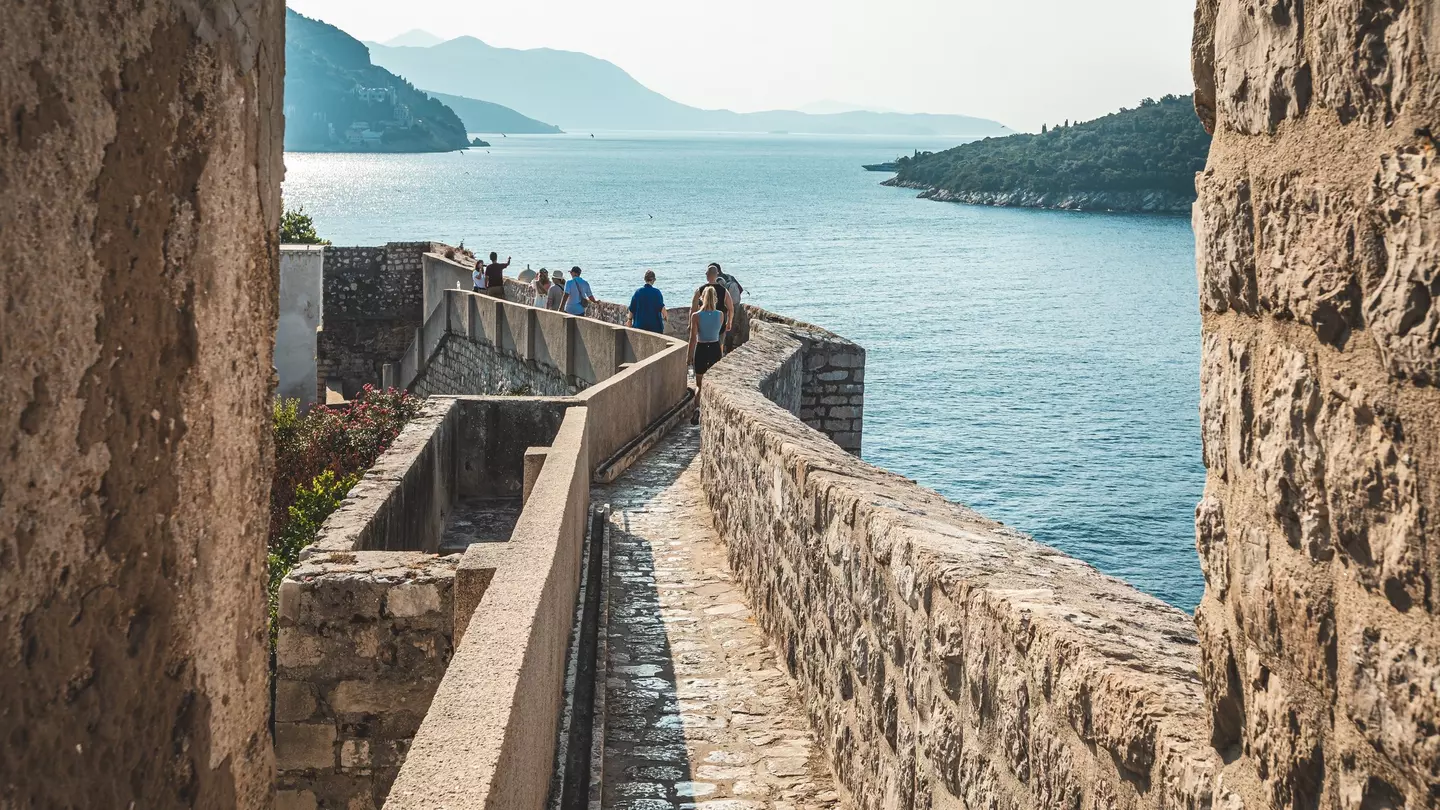
Walking the city walls of Dubrovnik, Croatia. AmauryMphotos/Shutterstock
Gorgeous Dubrovnik, at Croatia’s southernmost point, was once an independent republic – which is perhaps why it punches so far above its small size in travelers’ imaginations.
The great walled city is the crown jewel of a verdant coastline dotted with even more fascinating villages. Its enthralling history (both real and imagined, thanks to Game of Thrones) looms everywhere, and is readily accessible. And even though it’s packed to the gills with visitors these days, especially in summer, Dubrovnik has managed to preserve its old-world, laid-back essence.
Don’t confuse laid-back with anything goes, however – for it’s best to do some planning and research into the city’s quirks before your visit. Reservations may be necessary, and transportation is available by some (but not all) means. Heeding some general and site-specific courtesies will help you fall into the rhythms of the place.
As you think about which things you want to do, what you want to eat and (crucially) where you want to lie out in the sun, here’s all you need to know before your next trip to Dubrovnik.
Planning for your trip to Dubrovnik
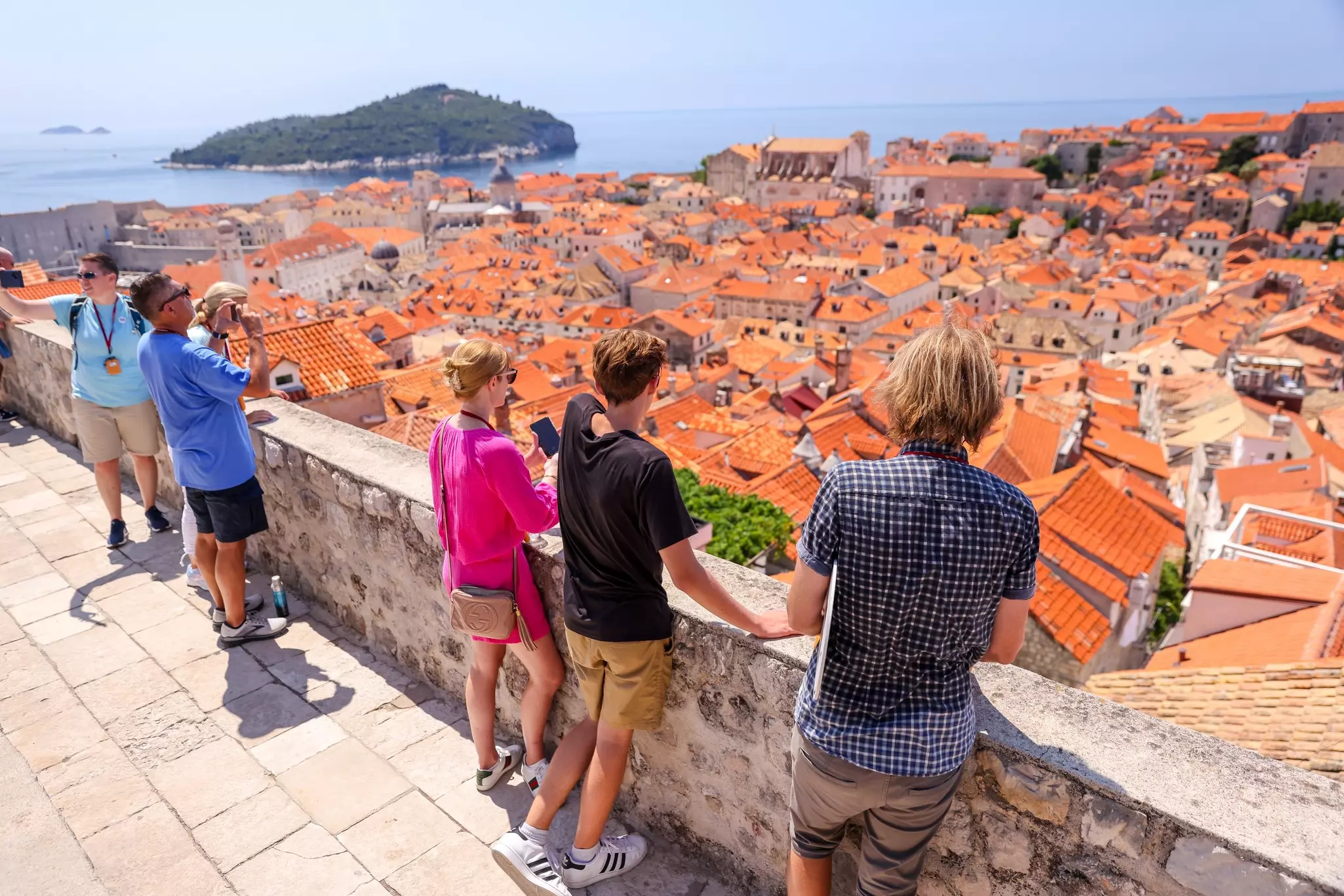
1. Beachwear, slip-proof footwear and layers are essential to smart packing
The local style vibe in Dubrovnik is casual but stylish. In the summer, your suitcase should contain classics: shorts or airy dresses plus all things sun and beach, from swimsuits and flip-flops to hats, shades and sunblock. Don’t forget a light scarf and rain jacket for breezy evenings and potential summer showers. In September and October, layers that can protect from the seasonal wind and rain are the way to go.
2. Book accommodations and restaurants in advance
Arriving in Dubrovnik spontaneously and expecting to find a place to stay in the high season is a recipe for disaster. For practically the entire summer season, the tiny city gets very busy and fully booked, especially the luxury hotels and private accommodations.
The same goes for popular restaurants: if you’ve read about a certain place, make a reservation a few days ahead to avoid disappointment. It’s best to book Michelin-starred 360° a full month in advance.
3. Get a Dubrovnik Pass
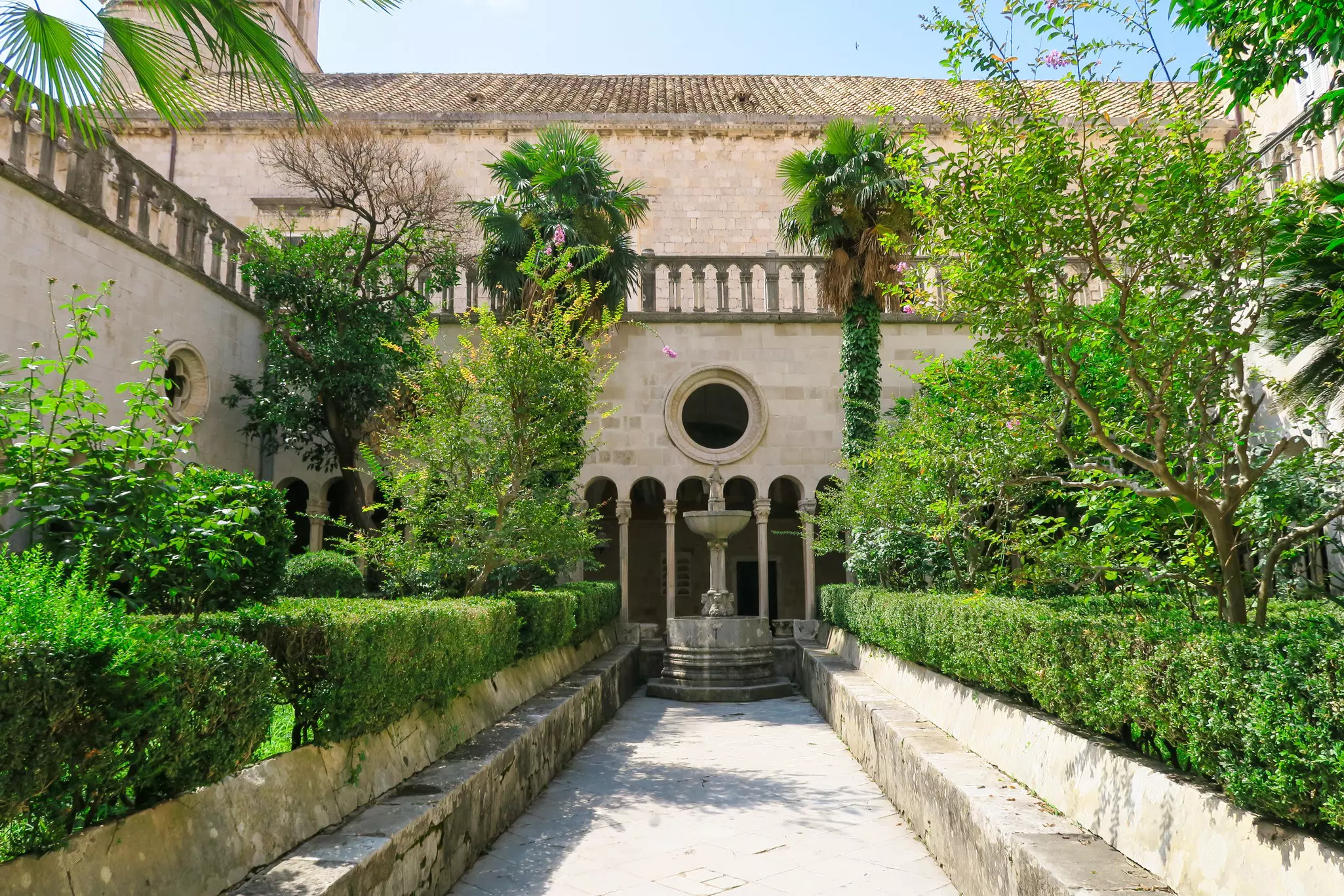
Dubrovnik is on the pricier side of European destinations, but that doesn’t mean a visit here will have to blow your budget. In particular, the Dubrovnik Pass grants access to the main sights, plus free bus tickets and discounts in shops and restaurants. Depending on whether you opt for a 1-, 3- or 7-day card, it might include entry to the city walls, museums like the Rector’s Palace and Franciscan Monastery, and discounts for excursions to Lokrum and Mljet Island.

Meet your new travel partner
Get unlimited data while you travel with Holafly eSIM. Peace of mind and no hidden fees wherever you go.
4. Prepare for border crossings and understand travel restrictions
Dubrovnik is surrounded by alluring neighbors – and if you intend to visit the Ottoman gem of Mostar, you’ll have to cross the border with Bosnia and Hercegovina, while a detour to stunning Kotor requires crossing the border with Montenegro. To avoid hassle and disappointment, check the entry requirements before you set out.
While recently opened bridges now make the drive along Croatia’s Dalmatian Coast free of border crossings, the distances are significant. If you’re heading to Split, for example, consider going by a catamaran from Krilo, then island-hopping along the way.
5. Explore beyond Dubrovnik’s old town
Many visitors make the mistake of thinking there’s little beyond Dubrovnik’s city walls. But savvy visitors know that after walking this symbol of the city from end to end, they can spend another day or two among the grid of cobbled streets. Pick out the palaces, towers and churches used in Game of Thrones, then head uphill to Srđ to marvel at the carpet of terracotta roofs and the dazzling panorama, vividly illustrating there’s much more to Dubrovnik beyond its historic core.
At the Gruž port, you can roam the markets or travel back to the Yugoslav era at the Red History Museum. Take an afternoon dip at one of many pebbly beaches, then soak up sunsets from the Lapad seafront.
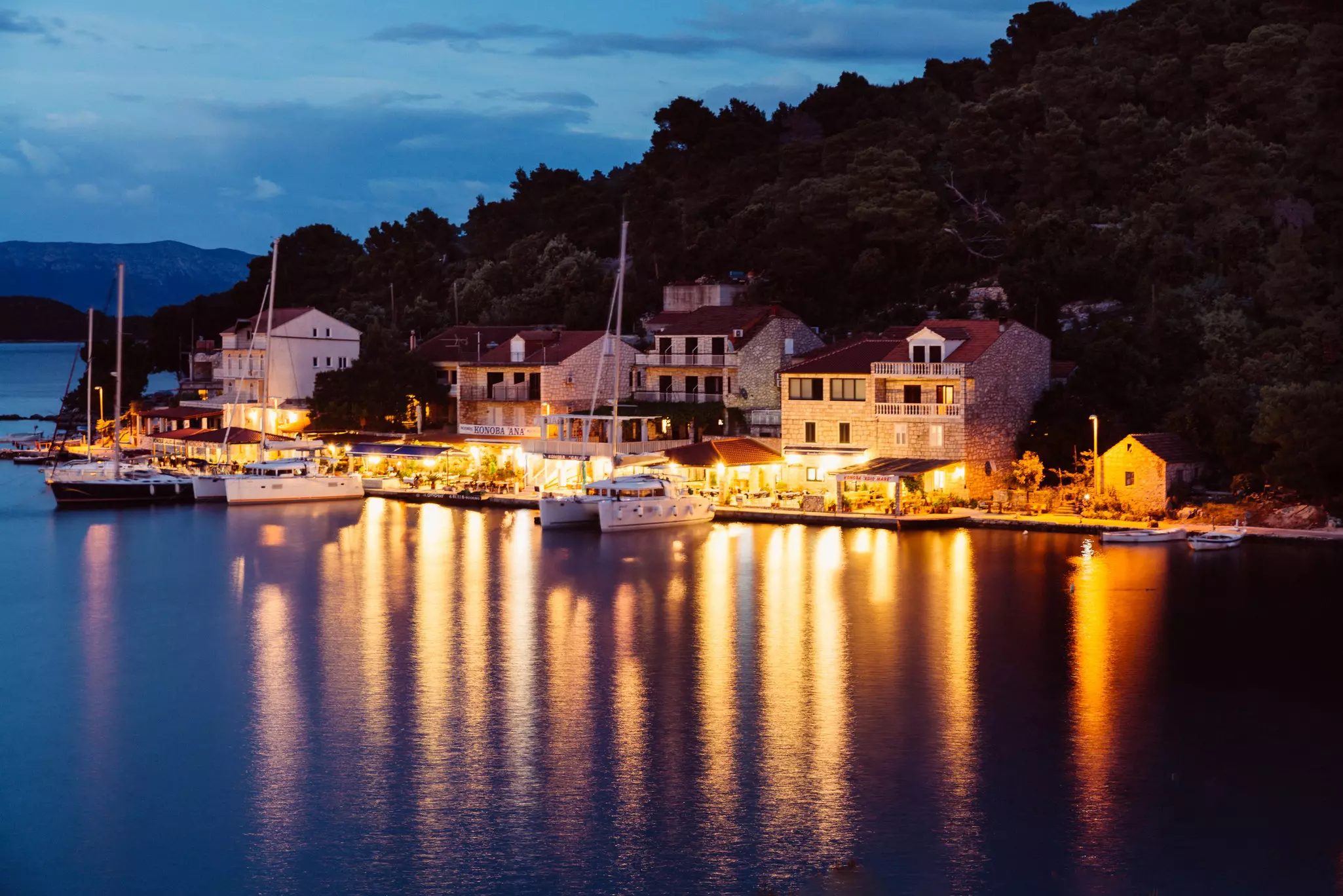
Ready to go further afield? Hop a ferry to Lokrum or serene Mljet Island and its forested national park. Sip bold reds in the wineries on the Pelješac Peninsula and discover folklore in the Konavle Valley, all while indulging in the easygoing local lifestyle.
6. Be prepared for cobblestones and steep steps
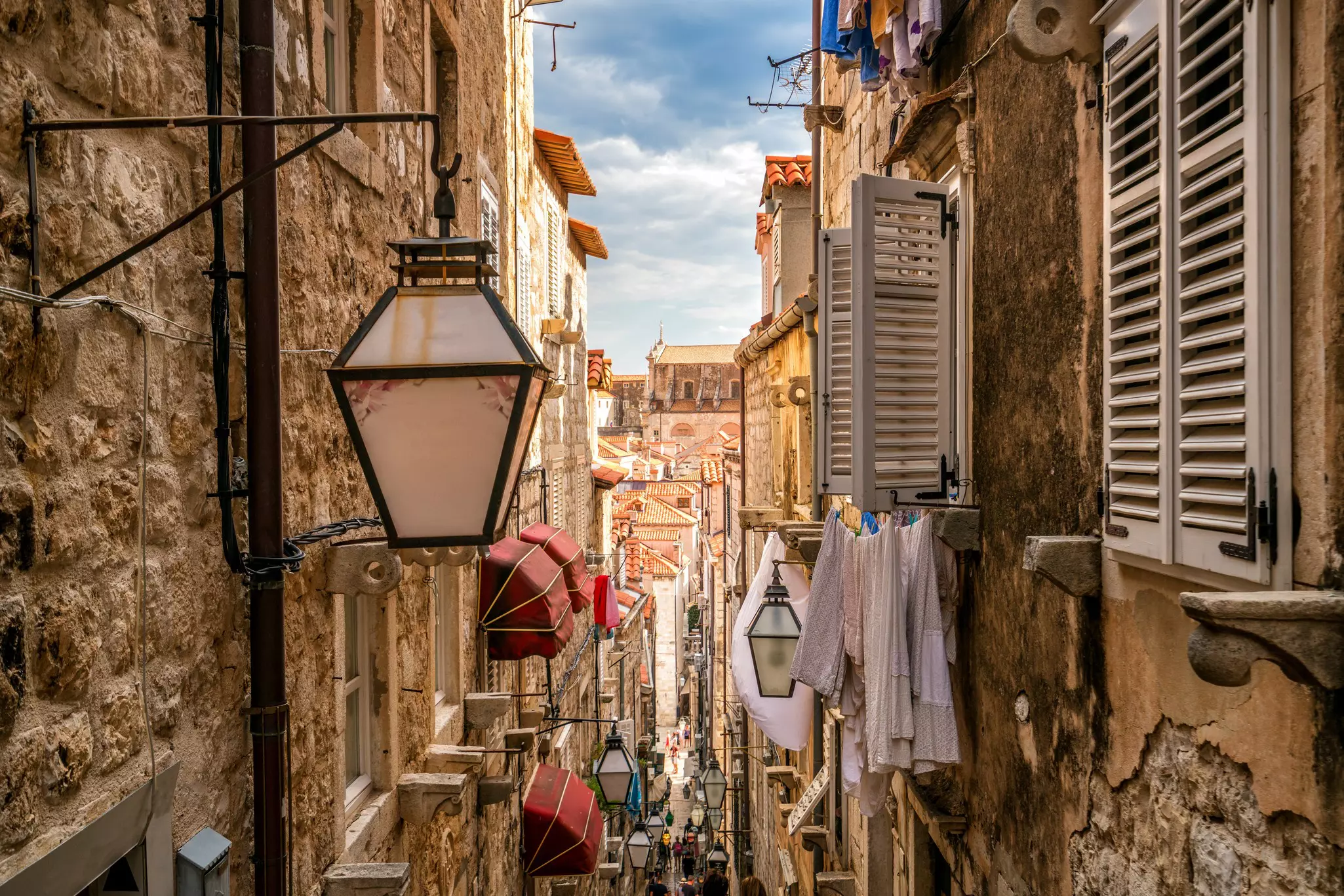
The steep narrow steps and winding alleys leading to the busy Stradun are core part of Dubrovnik’s appeal. So be prepared to walk – and carefully, at that. Bring slip-proof footwear, as the antique cobblestones are uneven, and the shiny limestone streets are notorious for being slick at the slightest drizzle. Water socks rather than flip-flops can help you out on rocky, tricky-to-navigate local beaches.
Note that narrow city sidewalks and the old town’s side streets of uneven stones and steep stairways can be a real challenge for travelers with mobility issues.
7. Never, ever drive to Dubrovnik’s old town: walk or take a bus instead
Just one single-lane road leads to the old town – and at the end of it, you’re highly unlikely to score a scarce and expensive parking space. Instead, ditch your car well outside of the center and opt for a stroll or a bus ride instead. Compact and scenic, Dubrovnik is very walkable, and the public bus network covers the city areas very well.
Etiquette in Dubrovnik
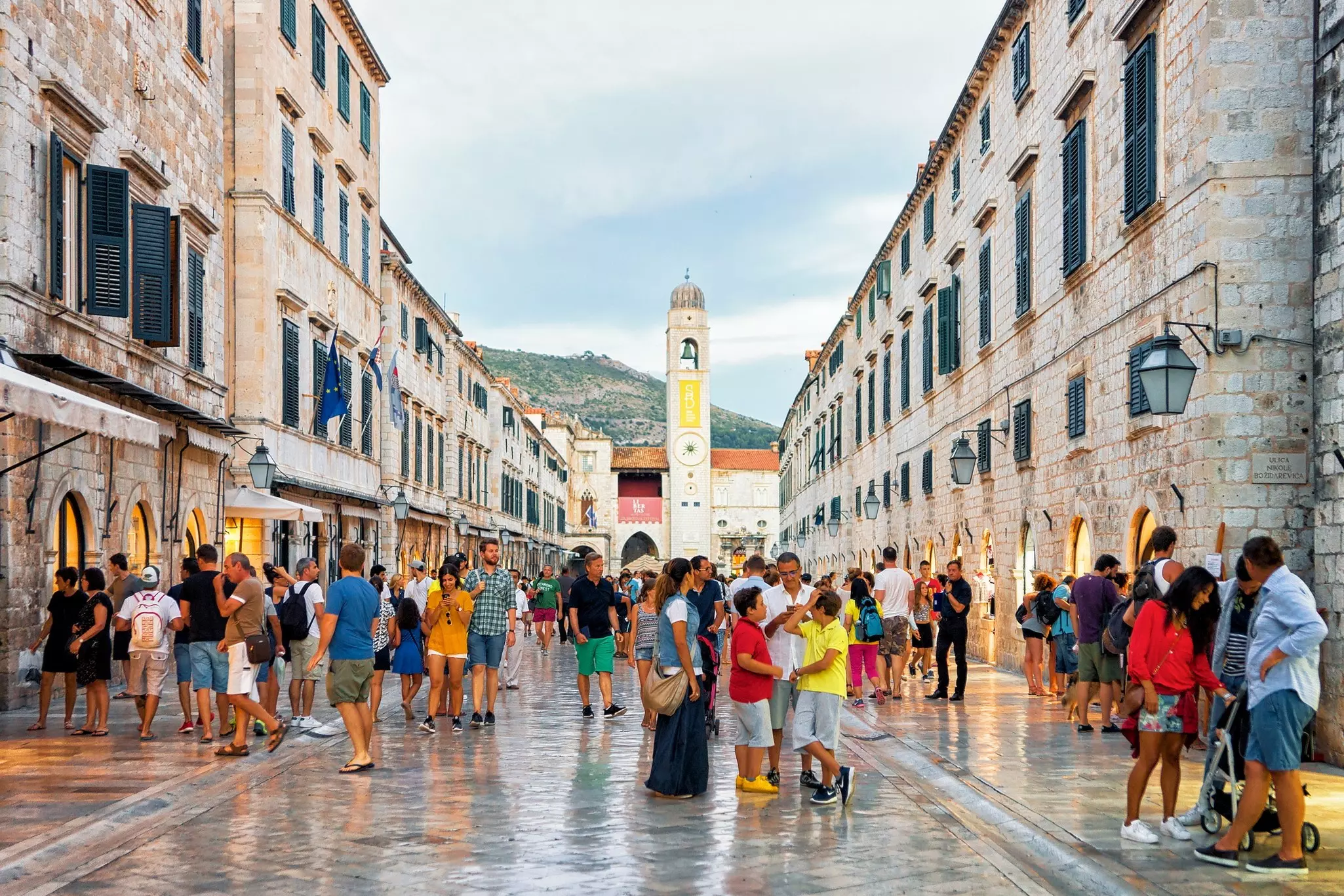
1. In the old town, keep your clothes on and mind your manners
While Dubrovnik serves up seriously laid-back, beachy vibes, especially in summer, the old town is a real neighborhood with schools, churches and institutions. Keep those neighbors in mind – and remain respectful at all times.
A reenactment of Game of Thrones’ walk of shame might sound like fun, but tourists should remain fully clothed at all times. If visiting churches, cover your shoulders and remove your hat. Refrain from using your phone, turn off the ringer and never poke around the sanctuary during services.
2. You can pay by card...but expect to tip in cash
While not mandatory in Croatia, a tip is generally expected – and much appreciated. In restaurants the magical number is around 10%; in bars, you can round up the bill.
Aside from Amex, credit cards are widely accepted, but you’ll need to carry cash for tips, as it’s rarely possible to add it to the credit card bill. Don’t be surprised when a server asks you whether you’re paying with cash or card before they share the bill: Croatian tax authorities require inputting that information before the bill is printed.
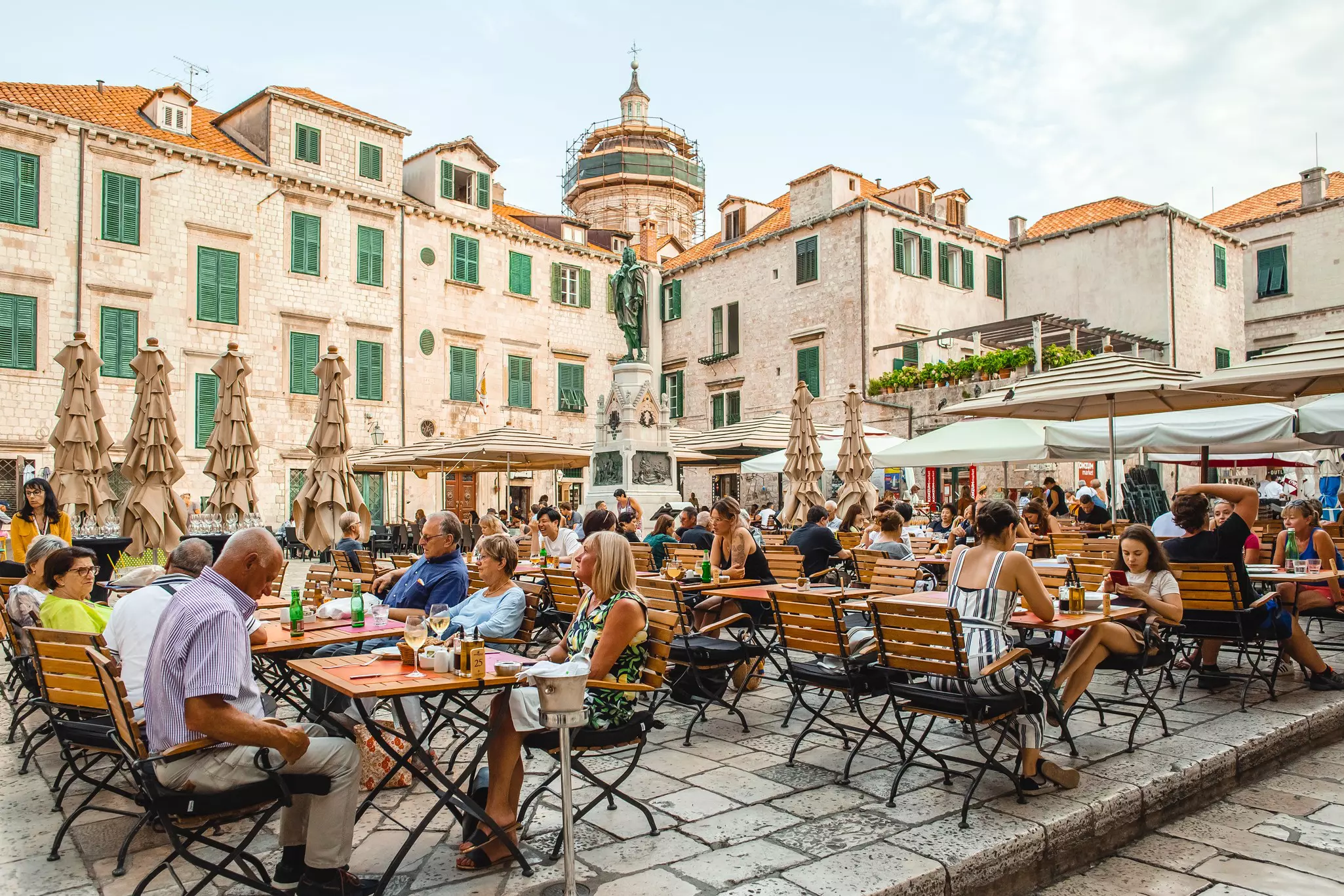
3. Nurse your espresso and steer clear of to-go cups
Croatians take their coffee drinking seriously. Indeed, gathering over a caffeinated beverage is a cherished local pastime and social ritual – so if you're invited for coffee, try not to say no. Whether you take an espresso or bijela kava (latte), sip it slowly – and never take it in a to-go cup.
4. Be mindful when asking questions about the war
Shelling during Croatia’s Homeland Warfrom 1991 to 1992 left Dubrovnik shattered and deeply wounded. This is not a topic to be approached lightly; you may ask questions in a respectful manner, but be aware that some people (understandably) prefer not to talk about it.
Safety in Dubrovnik
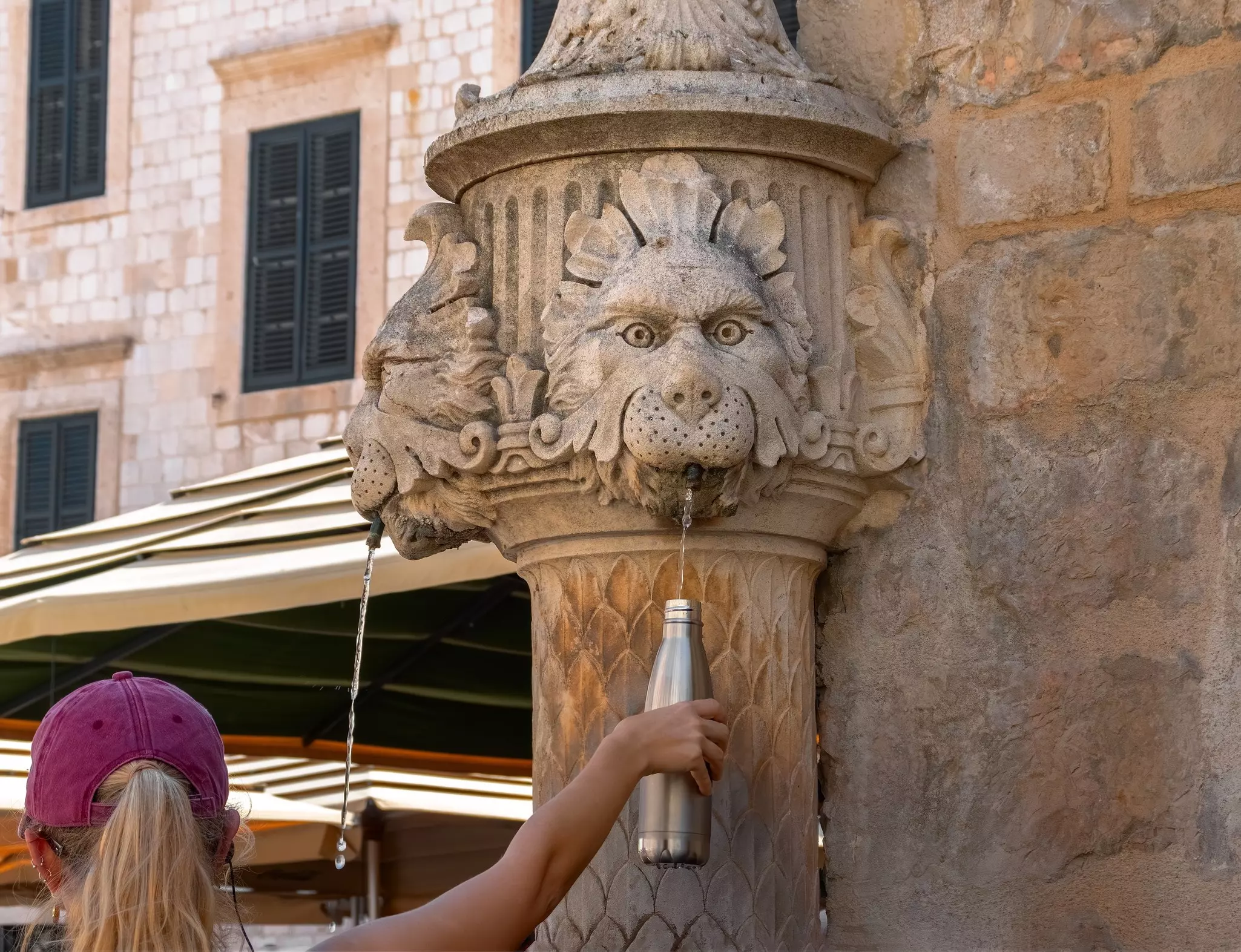
1. Ditch bottled water and refill at fountains
You can drink the tap water in Dubrovnik, so there’s no need for single-use-plastic water bottles. What’s more, in the old town, you can refill your bottle from the fountains, like the two Onofrios, which have the coolest water around.
2. Relax and enjoy, but exercise common sense
With a tight-knit community and generally well-lit areas, Dubrovnik remains a very safe city, both day and night. While crime rates are low, any visitor should exercise common sense when in crowds, as pickpockets do turn up on occasion.
Advertisement