Advertisement
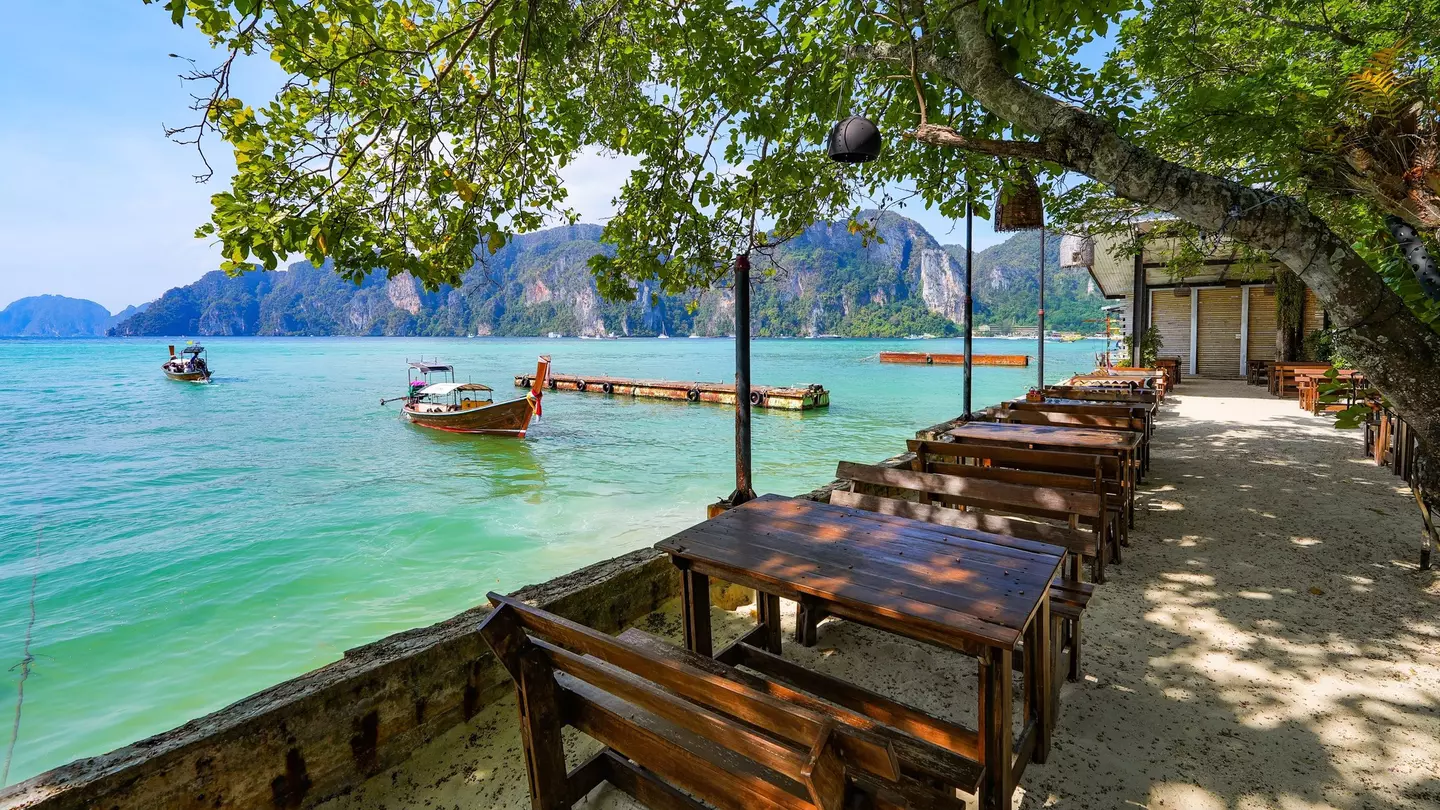
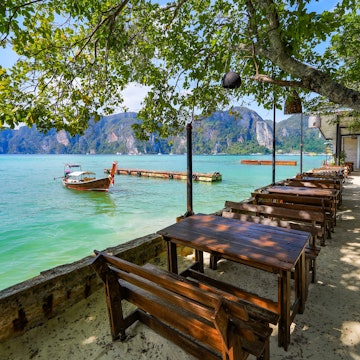
Toi San Beach, Phi-Phi Islands, Thailand. Alexandre.ROSA/Shutterstock
If you’re headed to Thailand, well...lucky you. And even if you only have a week or less to spend here, you’ll be able to get a taste of the place – though you’ll have to make tough decisions about where to visit in a country that offers so much.
Assuming you want to start in Bangkok, do you then head north to the mountains of Chiang Mai, or south to the fabulous beaches of the Andaman Coast? Even those who have lived in Thailand for decades – such as yours truly – have trouble making up their minds.
For now, let’s chase the sun for a bit. Here’s how to get a taste of Thailand’s fantastic southern beaches in just 5 days.
Advertisement
When to arrive: Flights into Suvarnabhumi International Airport land at all times of day and night, and there’s always transport available. Additionally, taxis and minibuses will take you almost anywhere in the country – for the right price.
How to get from the airport: If you prefer to stay a night in Bangkok before hitting the road, taxi ranks and GrabTaxi pickup spots are your best door-to-door options, while shuttle buses whisk passengers along main city arteries. Alternatively, head to the basement floor and jump on the cheap and fast Airport Rail Link straight to the Phaya Thai district.
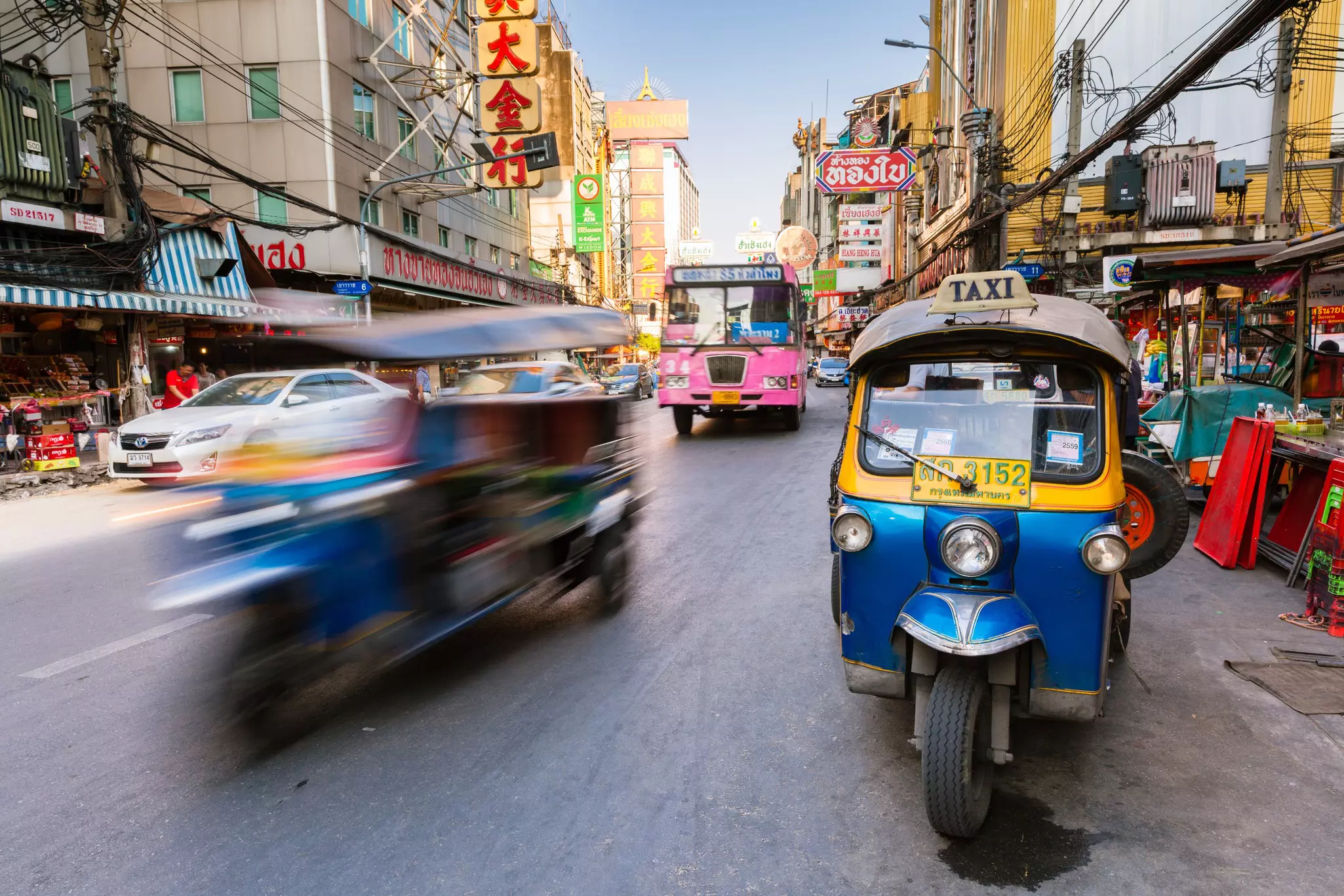
Getting around town: Whichever “town” you find yourself in, you will not be able to resist a tuk-tuk ride. Barter with the driver to decide on a price before you start the ride – then enjoy this iconic Thai ride. For every other occasion, taxi apps like Grab and Bolt offer a cheap, safe and super-convenient option.
What to pack: Whether you opt for the north or the south, shorts, flip-flops, loose tees, summer dresses and a cool pair of shades are a fail-safe collection for any tropical holiday. Thais love taking selfies, so if you want to join in, bring a nice outfit or two to look good on the ’gram. Outfits aside, pack a big bottle of sunscreen and maybe some earplugs – Thailand can be noisy even during the wee hours.
What to leave at home: It may sound counterintuitive to not bring mosquito spray, but it is plentiful here. Every outdoor restaurant or bar will have a communal bottle at hand, and every corner shop has a dozen brands to choose from.
Day 1: Bopping around Bangkok
Morning
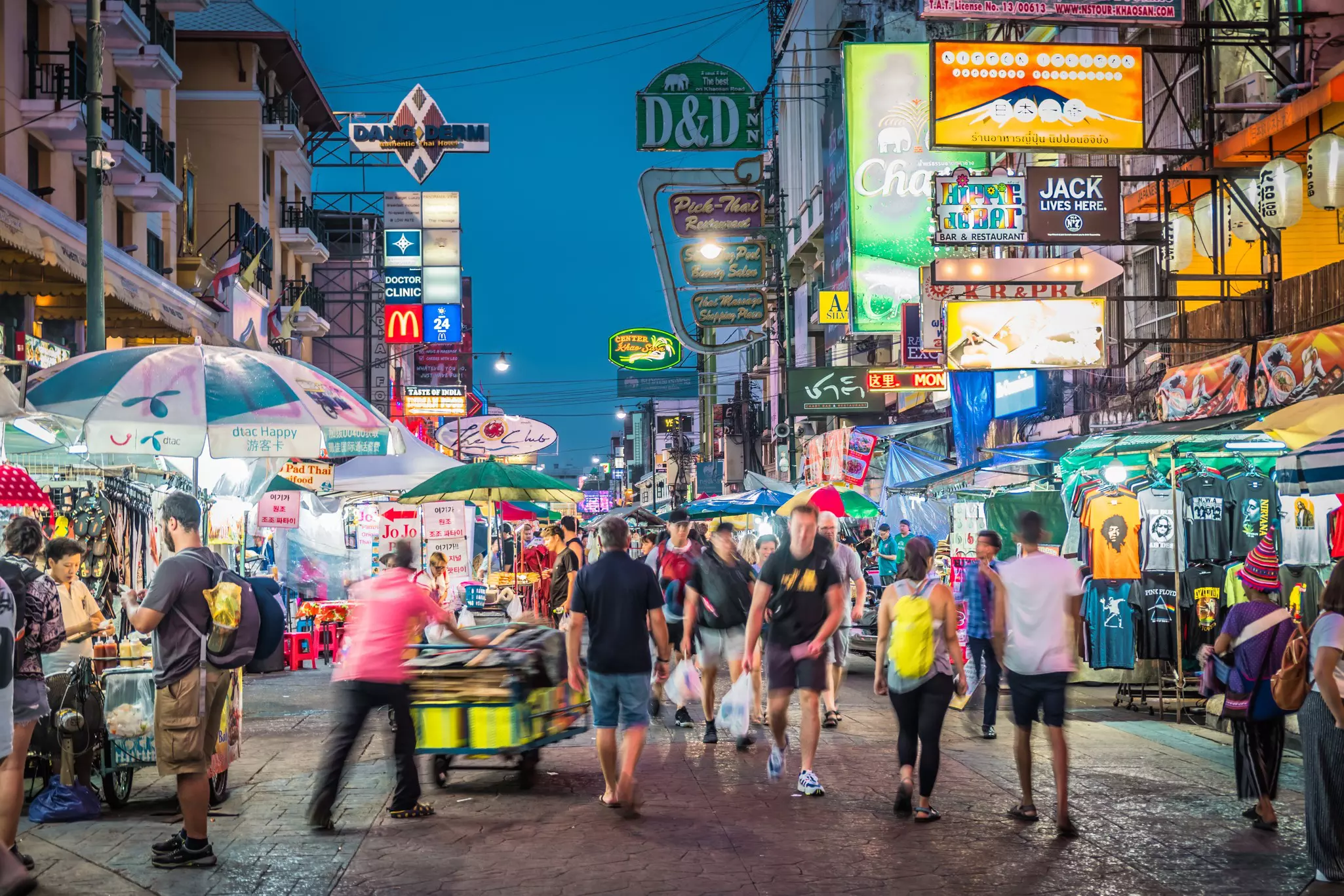
Love it or hate it, Bangkok is the starting hub for almost all Thailand adventures. Since your time in town will be short, jump right in a taxi and head straight to Khao San Rd. But we’re not here for the bars: in the morning, this famous street is a calm, food-filled haven perfect for satisfying any Thai-food craving.
Once nicely full of pad thai and mango sticky rice, drop your bags at one of the many tour-operator offices and book yourself a night bus ticket southbound. This will save you time and the cost of a hotel, which you’ll appreciate as you wake up a stone’s throw from the beach (albeit a little tired from the journey).
How to spend the day
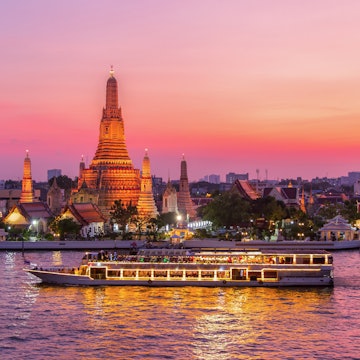
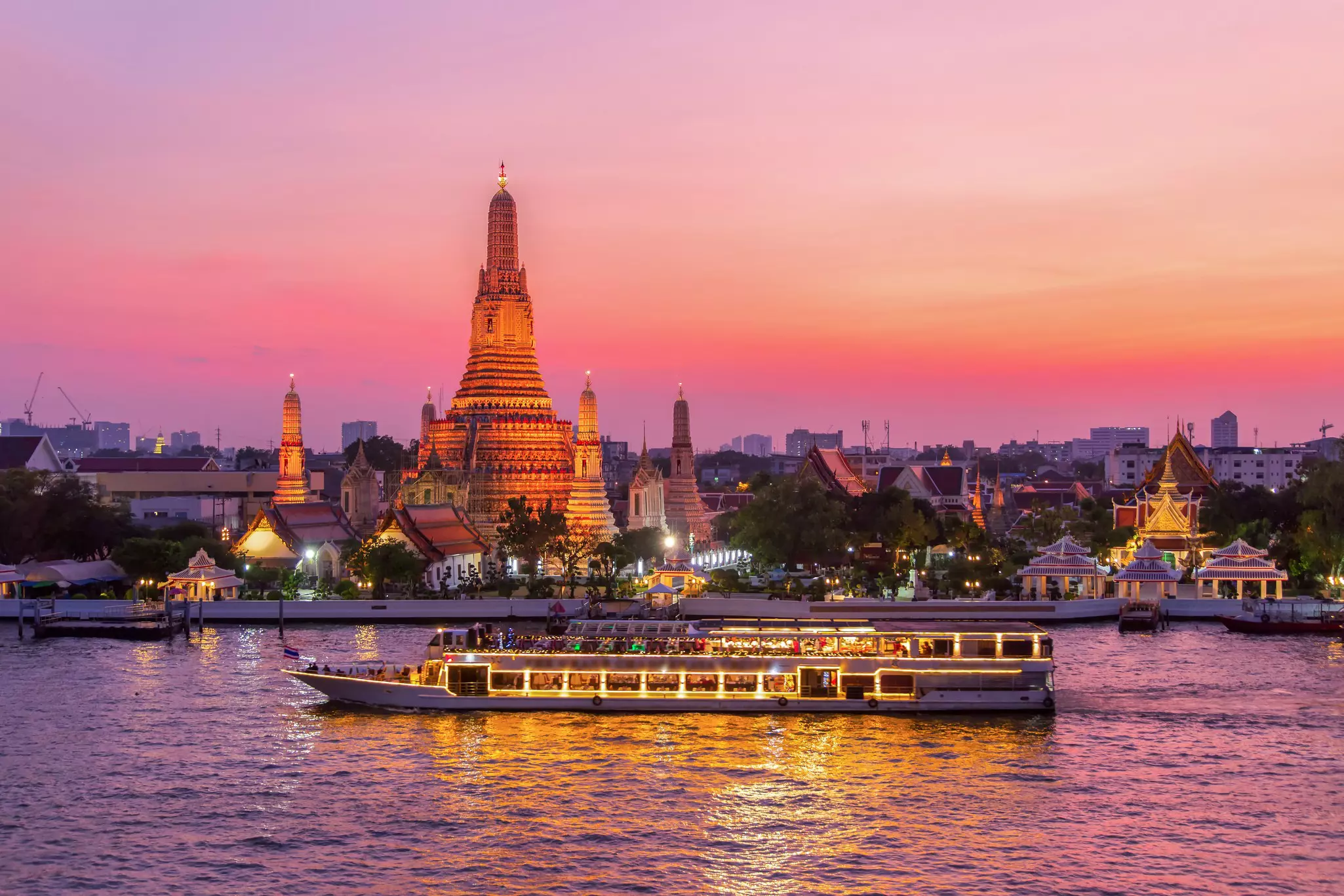
While in the city, make the most of your day in Bangkok. If you’ve got the time, pack in a tour of the city’s famous temples and palaces. After your long flight, let a therapist work out the knots in the birthplace of Thai massage, Wat Pho, before meandering toward the Grand Palace and the nearby Temple of the Emerald Buddha (cover your shoulders and knees before entering) for some sightseeing.
Alternatively, skip the temples and head straight to Chatuchak Weekend Market (closed Monday and Tuesday) to stock up on new beachwear and get your souvenir shopping done. If you’re anything like me, leaving it to the last minute spells disaster.
Dinner
Stay close to the departure point for your night bus by grabbing a bite to eat along the lesser-known Phra Athit Rd, a popular hangout for locals, which has a nice selection of Thai restaurants, snack-attack cafes and moody jazz bars. For authentic city food, Karim Roti Mataba is one of the city’s oldest and best-known restaurants. It sits opposite the beautifully maintained Phra Sumen Fort.
Advertisement
After dark
If you’re not boarding an island-bound bus by this point, Khao San’s endless bars tempt those looking to party, while Chinatown, one of the world’s largest, becomes a foodie heaven. Phenomenal seafood grills, amazing Chinese-Thai delicacies and endless back sois (streets) packed with old-school Thai shophouses maintain an old-fashioned vibe amid all the neon.
For a fancier night out, Chinatown’s Soi Nana is home to cocktail bars like Teens of Thailand and Tep Bar, where you can sip local liquor in fancy preparations – setting the scene for great days to follow.
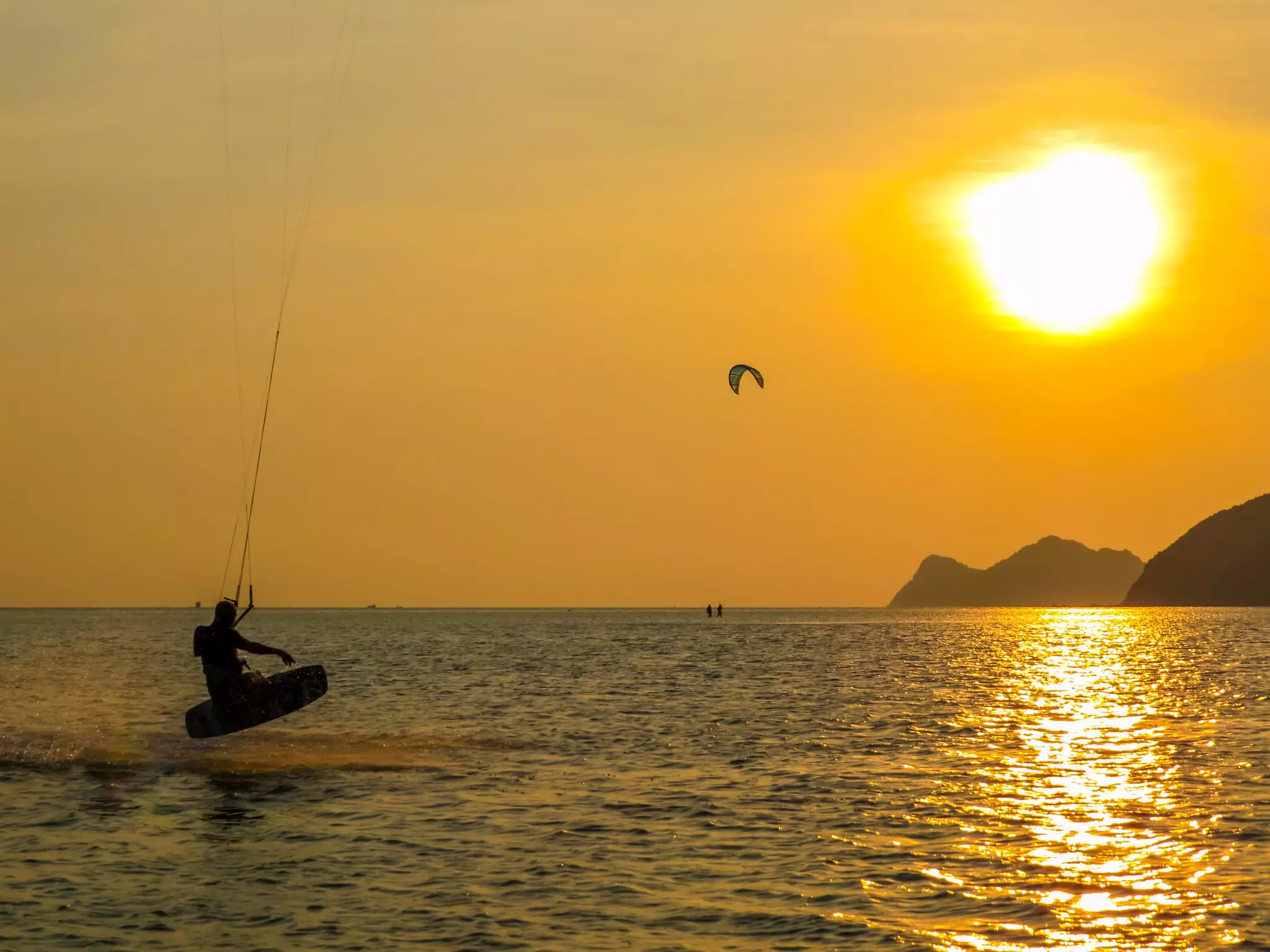
Day 2: The islands await
Morning
Here you have a choice of three islands: Ko Samui, Ko Tao or Ko Pha-Ngan.
Depending on your bus, you’ll disembark either at Chumphon Pier, which connects directly to the ferry terminal, or further south in Surat Thani, where there’ll be taxis and tuk-tuk drivers eagerly waiting to take you to Don Sak Pier.
Chumphon Pier is served by a ferry ride that stops at Ko Tao first and Ko Samui last, while Don Sak Pier offers a choice of two direct ferries, to Ko Samui and Ko Pha-Ngan.
The best time to visit Ko Samui, Ko Tao and Ko Pha-Ngan is between February and April, when the weather is sunny and the waters calm. Monsoon season is September to November, and we’d avoid the rains and rough seas that occur during this time.
How to spend the day
All the islands are equally beautiful and accessible, so make your pick based on the vibe you crave. After all, you’ll be here for a few days.
Ko Samui is larger and more developed than the other two, with a mall and airport for those who want to skip the bus ride and fly straight into paradise. You’ll find most major hotel chains and a wide variety of atmospheres, from private beach escapes to bustling party corners. Chaweng and Lamai beaches both offer good food, drinks and shopping, but the latter is smaller and significantly more picturesque. Mae Nam in the north and Ao Phang Ka in the southwest are more laid-back, while the Big Buddha and surrounding jungles are rich and ready for exploration.

Ko Pha-Ngan is most famous for the Full Moon parties that draw tens of thousands of young travelers during peak season. Yet there’s much more to this island than beachfront revelry and buckets of whisky. Unspoiled coves and peaceful private resorts populate the rest of the island, while hikes to Domsila Viewpoint offer superb panoramic views over the island. If you are here to get your full moon on, cover yourself in neon paint and head for Hat Rin Nok.
Ko Tao offers a more tranquil beach experience, ideal for romance-seeking couples and families. Beautiful bays, alternative cafes and a huge scuba scene make it an easy choice for some, while the hiking trails and surprising amount of rock climbing double down the decision for more adventurous types. Hat Sairee (or Sairee Beach) on the west coast is the longest and most developed part of the island – but hasn’t got much when compared to its two bigger, more-popular sisters.
Day 3: Relax in the sun – or seek out adventure
How to spend the day
Pack your bag and head to the beach of your choice for a well-deserved rest day. Mornings start a little slow on the islands, so enjoy a lie-in and don’t expect to find (good) coffee anytime before 10am.
Whichever island you opt for, you can expect to indulge on fresh coconuts and delicious seafood in restaurants along beachfronts. The sea glitters with soft white waves and the metallic sheen of recreational watercraft, motorboats and parasails – all easy to rent – offering endless fun.
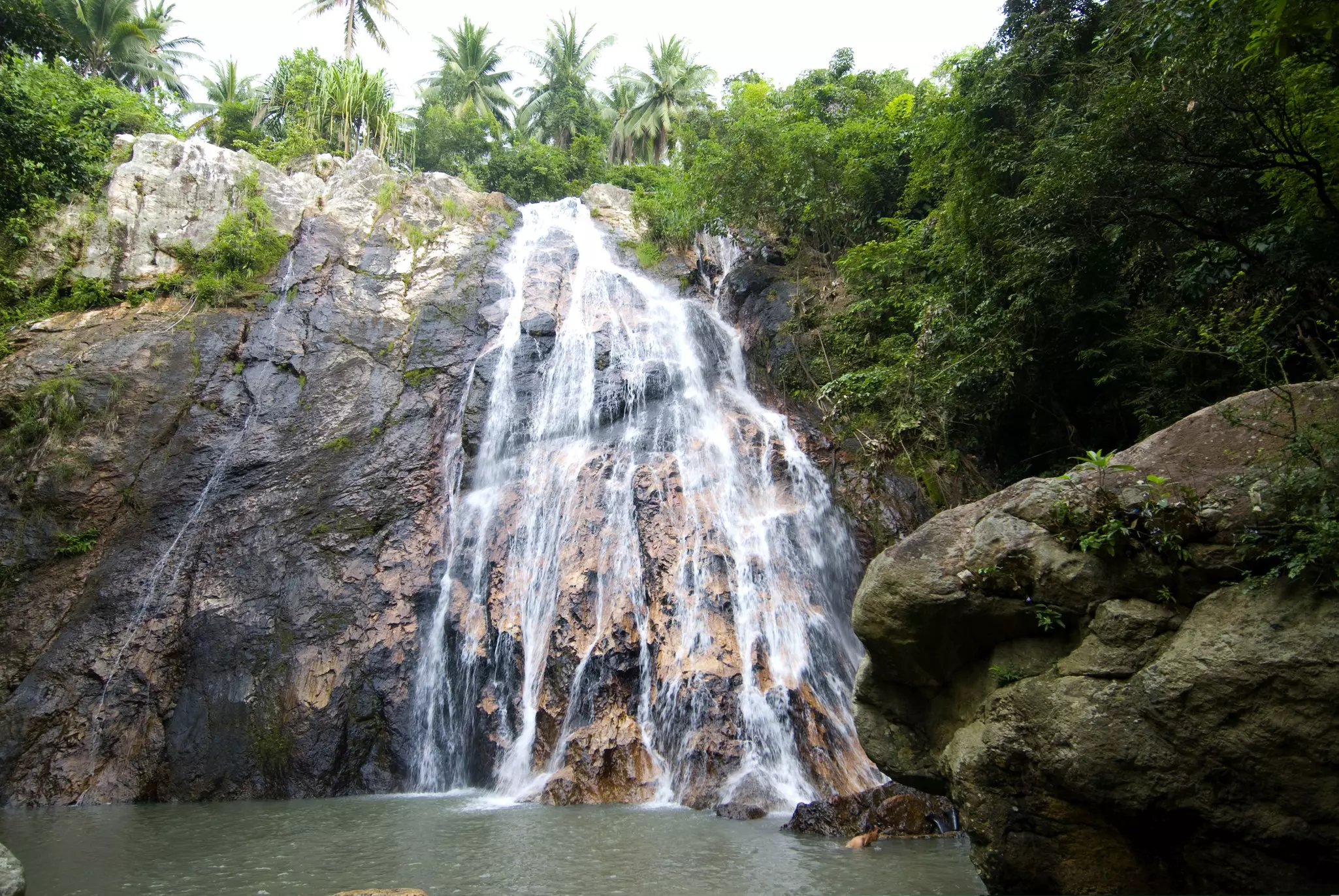
If you’re still craving adventure and can’t sit still (like me), hike your way to Na Muang Waterfall (Ko Samui) and cool off in the freshwater, float around in rubber rings in the oasis that is Paradise Waterfall (Ko Pha-Ngan). Or try your luck at the Treasure Island Challenge (Ko Tao).
Day 4: On to the Andaman Coast
Morning
Say your farewells to your island and set off on the early boat back to the mainland and the Andaman Coast. The most cost-effective options are ferry-bus combo tickets that you can buy directly from hotels, tour operators or at the pier itself. If you’re catching the 5am or 6am catamaran, it’s best to buy tickets the day before.
How to spend the day
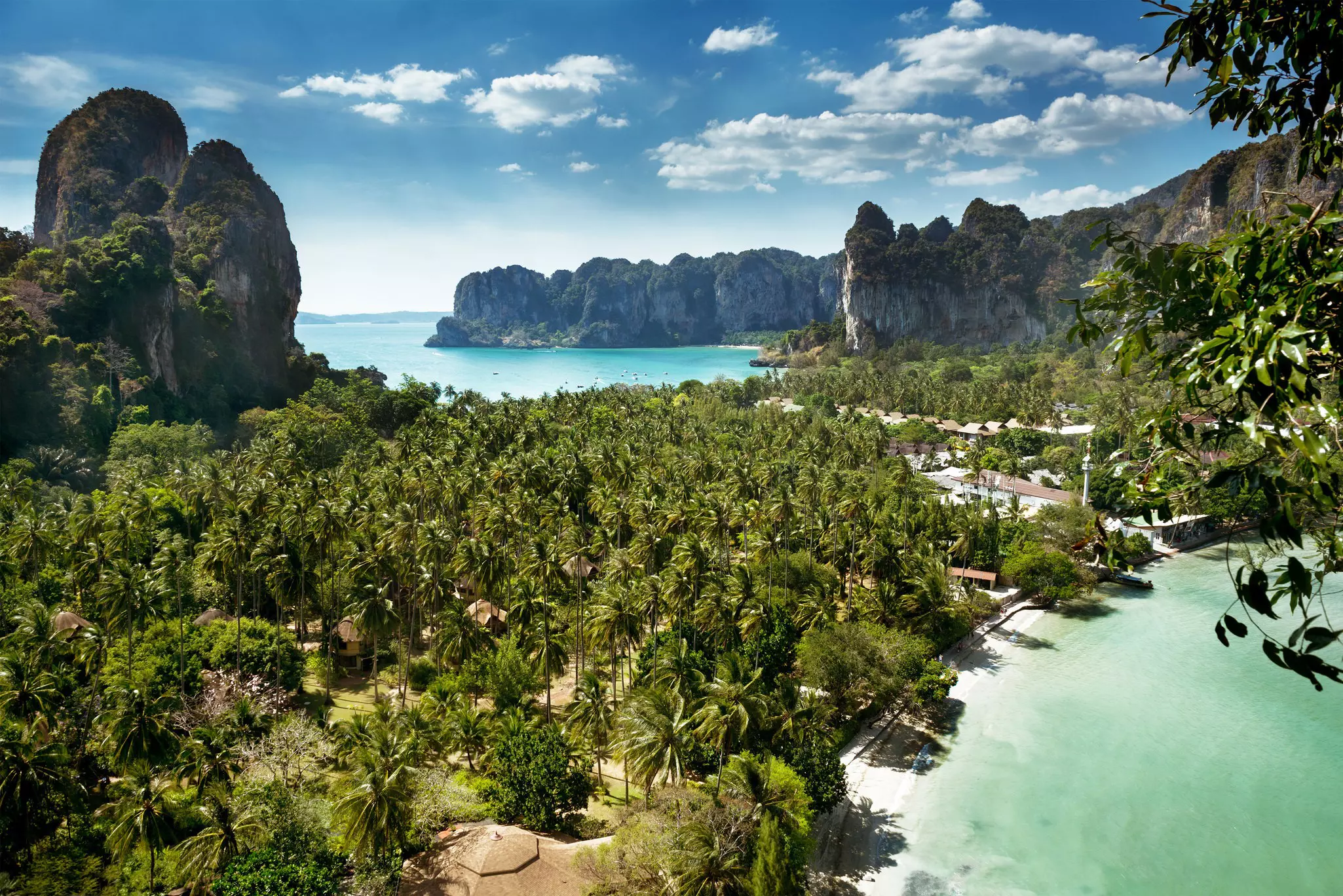
Depending on your ticket, you can make it across the mainland to Krabi in under 3 hours, though it typically takes a bit longer. Since this is one of the most beautiful provinces in southern Thailand, take the time to appreciate the mainland’s towering karst formations, white-sand beaches and clear turquoise waters.
Hat Railay and Hat Ton Sai are technically still part of the mainland but are only accessible by boat, as this idyllic paradise is surrounded by towering limestone cliffs on all sides but the coast. (These are why Railay is a world-class climbing destination.) Expect it to be busy in peak season.
While staying the night is ideal, hotels can be expensive and fill up fast due to limited space. If you find yourself without a room, there are always rows of longtail boats parked up on the beach waiting to ferry people back to Ao Nang or Krabi Town. Service runs well into the night.
Dinner
There are a few wonderful spots to eat at Railay. The exquisite Grotto occupies a private cave formation overlooking the iconic karst Ko Rang Nok. (It’s only accessible to guests of Rayavadee, the most expensive resort on the “island”.) Alternatively, CoCo 2004 Restaurant serves fantastically fresh Thai food – it’s the perfect place to fill your belly before grabbing a few beers and a plastic mat, lying back and stargazing on Hat Railay. Visit in the right season (just before the monsoon) and bioluminescent plankton may shimmer back at you too, an incredible natural phenomenon that’s got to be seen to be believed.
Day 5: Phi-Phi, Phuket or Krabi
How to spend the day
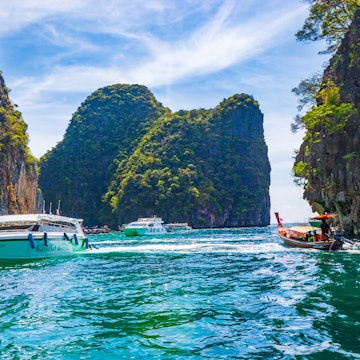
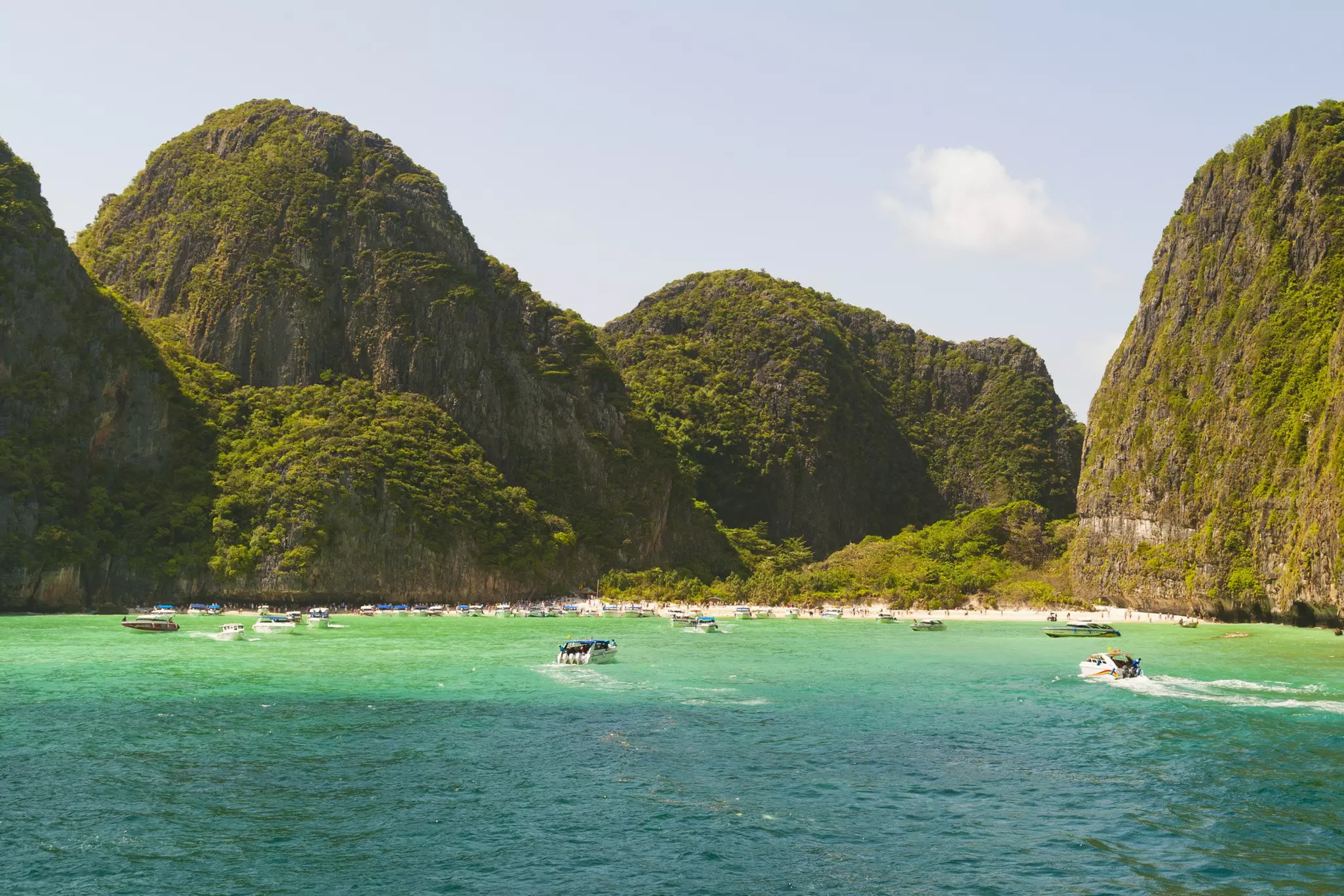
If your return flight is late in the day, jump on a ferry to Ko Phi-Phi and snorkel in the famous Maya Bay by lunchtime. (Unfortunately, The Beach has made Maya famous worldwide – and overtourism occasionally prompts temporary closures. Check the latest before you head there.) From there, take a ferry to Phuket for some high-end shopping and a fancy meal before boarding a domestic flight back to Bangkok.
Alternatively, stay Krabi-side and charter a longtail boat with Big Tour Krabi to take you on a whirlwind tour of Ko Tan Ming, Puya Bay, Chicken Island, Tup Island, Poda Island and the incredible Thale Waek – a stunning white-sand beach that only appears in low tide. Back on the mainland, a short trip to the airport puts you on the trajectory back home.
Or you could stay just a couple more nights. Your boss will surely understand, right?
Advertisement
Take your Thailand trip with Lonely Planet Journeys
Time to book that trip to Thailand
Lonely Planet Journeys takes you there with fully customizable trips to top destinations – all crafted by our local experts.