Advertisement

A boat ride on the Paraguay River, Asunción. María Magdalena Arréllaga for Lonely Planet
Even ambitious travelers often overlook Paraguay.
Wedged between Brazil and Argentina, the country is no bigger than the US state of California – and the largely inaccessible Gran Chaco region accounts for about 60% of its land mass.
Advertisement
Yet visitors who do make it to this landlocked yet very wet South American country find ample rewards: quirky cities, rich cultural sites and natural beauty galore. And no chance of overtourism. (Perhaps this is due partly to the lack of a dedicated Lonely Planet guidebook for the country.)
If you’re among the many who have never been – and you probably are – here’s what you need to know before your visit to Paraguay.

When should I go to Paraguay?
Most areas of Paraguay have a subtropical climate, which means expect hot, humid and rainy conditions year-round. Temperatures are especially high during the South American summer months (December through February), with rain more likely during winter months (June through September).
Unlike countries with high numbers of tourists, high and low seasons aren’t really a thing in Paraguay, and prices remain largely affordable, with few seasonal price bumps, no matter what time of year you choose to visit.
How much time should I spend in Paraguay?
Since much of the west of the country is inaccessible, top destinations in the east cluster relatively close together. Still, public-transportation options are limited (see below). If you’re only interested in a few top sites and a city or two, count on a week-long visit. If you’re interested in seeing all of the top destinations across Paraguay – such as touring the Itaipu dam, visiting Jesuit missions and exploring the country’s parks and waterfalls – allow at least 2 weeks. If you also plan to do ambitious hiking and camping, and/or spend time exploring more-remote areas such as the Chaco region, add on additional days.
Is it easy to get in and around Paraguay?
International flights land at Silvio Pettirossi International Airport in the capital of Asunción. But you don’t need to board a plane to get here: since Paraguay is part of the so-called Tri-Border Region, overland crossings are available and easy to and from southern Brazil and northern Argentina.
Advertisement
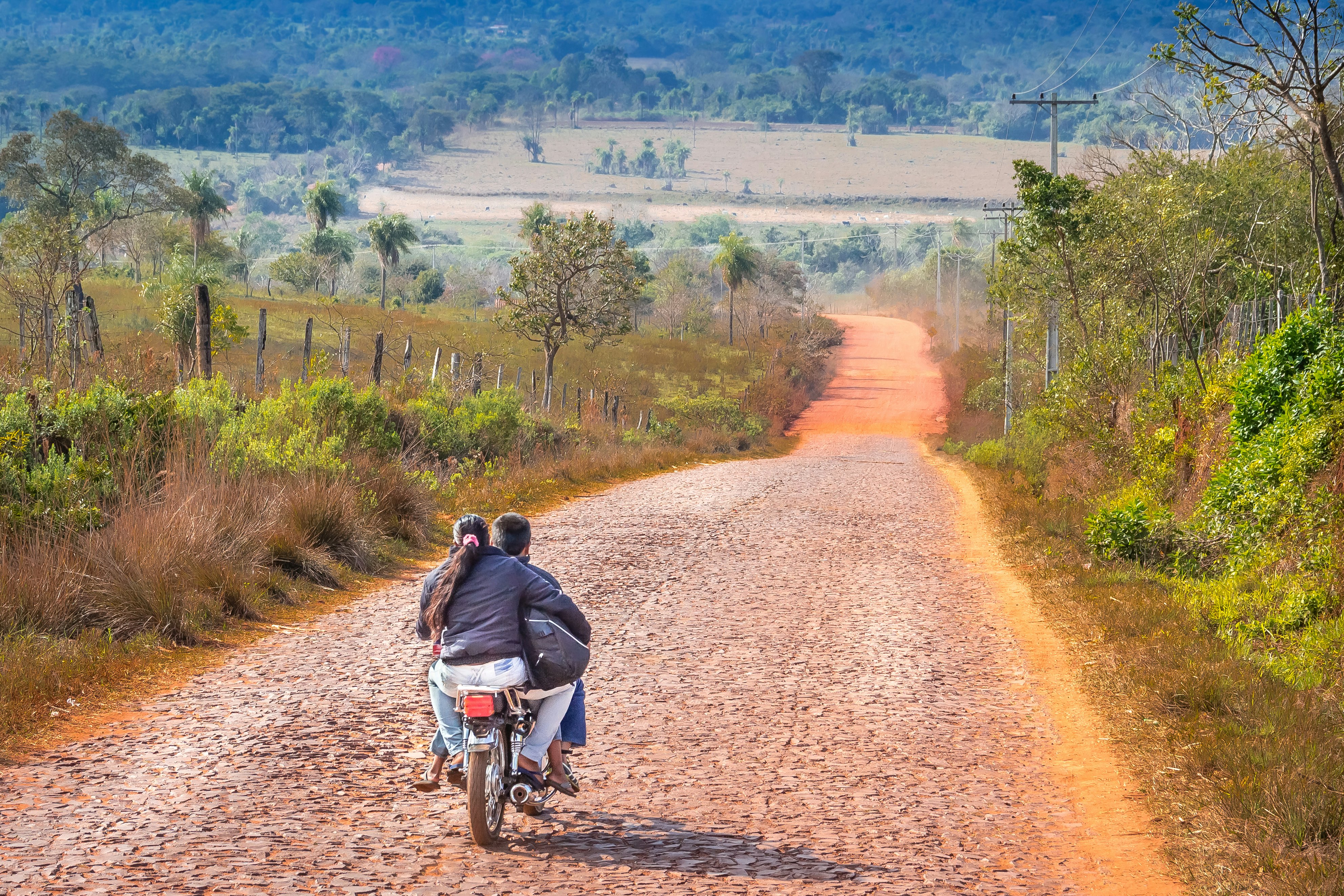
Once in Paraguay, you’ll find that cities are walkable and taxi services readily available. Short- and long-distance buses traverse Paraguay – but don’t expect comfort or ease of booking, especially if your Spanish is not strong. Consider renting a vehicle for travel between destinations: many major international rental companies have vehicles for hire from the international airport in Asunción. Local car rental companies also exist.
Top things to do in Paraguay

Go chasing waterfalls
It makes sense that a country crisscrossed by water channels has some dazzling waterfalls. A star of the list is Monday Falls, while Ñacunday National Park is home to the Ñacunday Waterfall as well as a few short trails and a basic camping area near the falls.

Take a dam tour
One of the world’s largest hydroelectric dams and power plants is located in Paraguay (all that water!). Located on the mighty Paraná River and shared with Brazil, the Itaipu Binacional Hydroelectric Center provides all of the electricity needed within Paraguay. Guided tours are offered to the public, and include a visit to the massive dam. Time it just right and you might see the enormous floodgates open, a dramatic event that only happens a few times each year.

Explore the Missions Route
Jesuit missionaries had a short but pivotal presence in Paraguay, where they established a string of seven missions, each anchored by a church and a settlement. The remains of these missions are today collectively protected as a UNESCO site. Visiting these complexes – which include Jesús de Tavarangüe and La Santísima Trinidad de Paraná – conveys both the architectural and engineering prowess of the Jesuits, as well as their quest to convert locals to Christianity. La Santísima Trinidad (the Holy Trinity), for example, sprawls over nearly 20 acres and is anchored by an enormous church where visitors can still see what remains of elaborate decorative elements.
Enjoy tasty Asian food (really!)
In the 20th century, immigrants from China, South Korea and Japan began arriving in Paraguay in sizable numbers, bringing their culinary traditions with them. Today, you can find many restaurants serving Asian food in Paraguay’s largest cities, and even in smaller towns. Hiroshima is an institution favored by locals looking for quality Japanese food in Encarnación. Head to Sawasdee in Asunción for satisfying Thai and Indian dishes.
My favorite thing to do in Paraguay
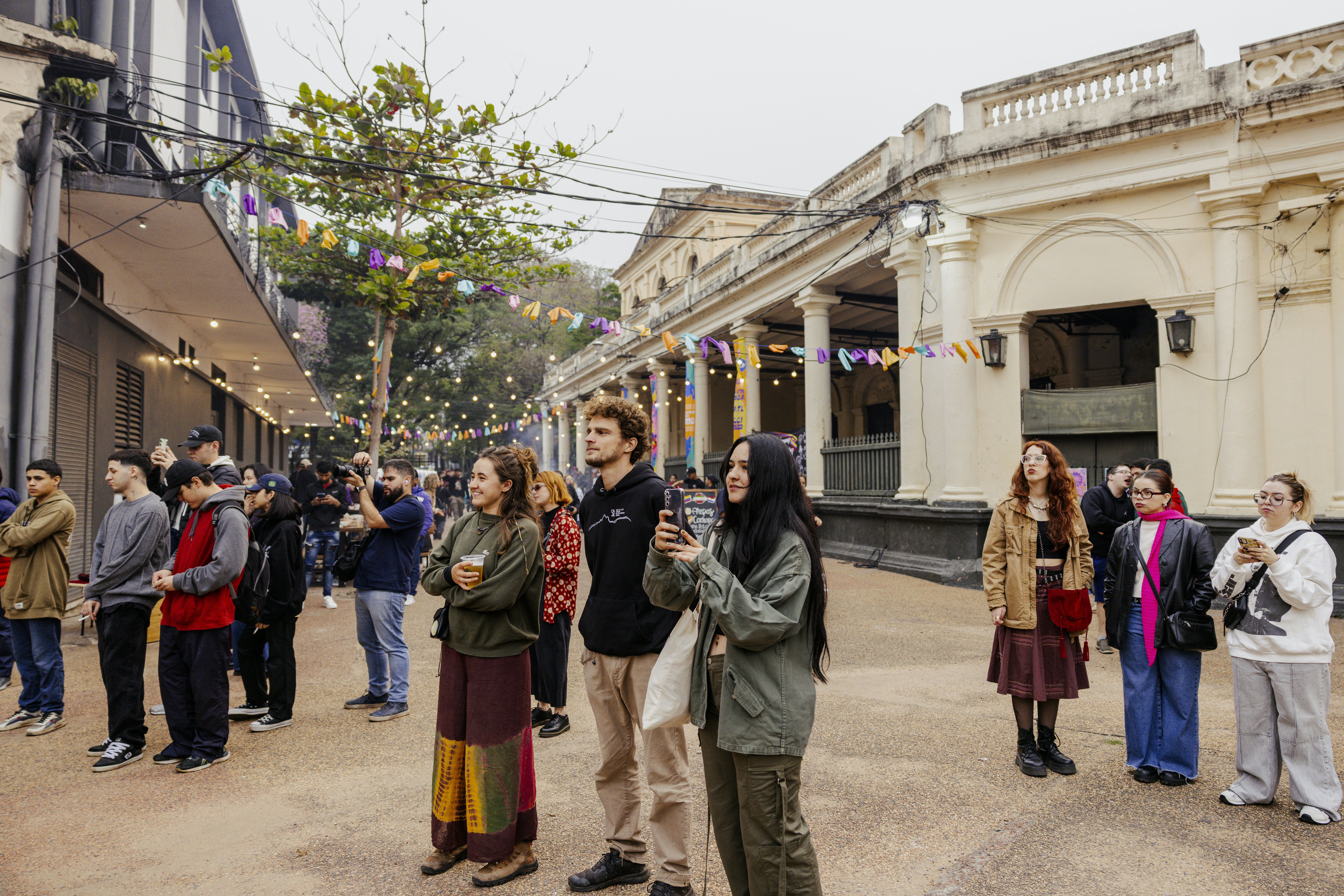
Give the capital its due. While there are plenty of natural and cultural areas to explore in Paraguay, its capital Asunción (enticingly nicknamed the “World’s Capital of Friendship”) deserves some of your travel time as well. The city of 2 million is filled with a range of hotels, craft-beer producers and a growing roster of notable restaurants. Museums and street art add to a creative flair, with a youthful population and an entrepreneurial spirit giving the city a major up-and-coming vibe.
Hotel Bristol in central Asunción is a budget winner offering more than most at this price point. Diners will find creative dishes from a talented chef/sommelier couple at Pakuri. And Museo del Barro offers a well-curated mix of contemporary, colonial and European art (including paintings by Matisse and a Monet); pottery and textiles from around Paraguay; and many examples of the larger-than-life work of artist Ricardo Migliorisi (who was born in Asunción).
I found so much to see and do in Asunción that I extended my stay in the city.
How much money do I need for Paraguay?
Generally speaking, prices at hotels, restaurants, national parks, museums and other destinations and attractions are quite affordable because they are set with the locals’ limited budgets rather than tourist dollars in mind. Though credit cards may be accepted, it’s best to have local currency on hand at all times. Like its neighbors, the Paraguayan economy and currency (called the guarani) is subject to sometimes dramatic fluctuations, which can affecting prices.
Basic private room for two: between 180,000 and 250,000 guarani per night
Simple two-course set lunch: 30,000–40,000 guarani per person
More tips for enjoying Paraguay

Be ready to speak some Spanish
While some English is spoken in Paraguay, it’s nowhere near as common as it is in more-visited South American countries. If your language skills are limited, bring a phrase book or brush up on your Spanish before you travel here. You will likely hear Paraguayans speaking Guarani (or a mix of Spanish and Guarani) – an Indigenous language that is proudly maintained as the country’s second official language.
Stay alert
Like most border towns, gritty and bustling Ciudad del Este, which you’ll pass through if you arrive by land from Argentina or Brazil, is a bit rough around the edges. Use your common sense and remain aware of your surroundings. And don’t be surprised to see guns: on more than one occasion, I witnessed uniformed men as well as locals openly carrying firearms.
Pack for hot and wet weather
The weather in Paraguay is likely to be hot, humid, and rainy no matter when or where you visit – so pack accordingly. While shorts, short-sleeve shirts and even tank tops are worn by locals, short-shorts or any other type of revealing clothing is best left at home.
Advertisement