Advertisement
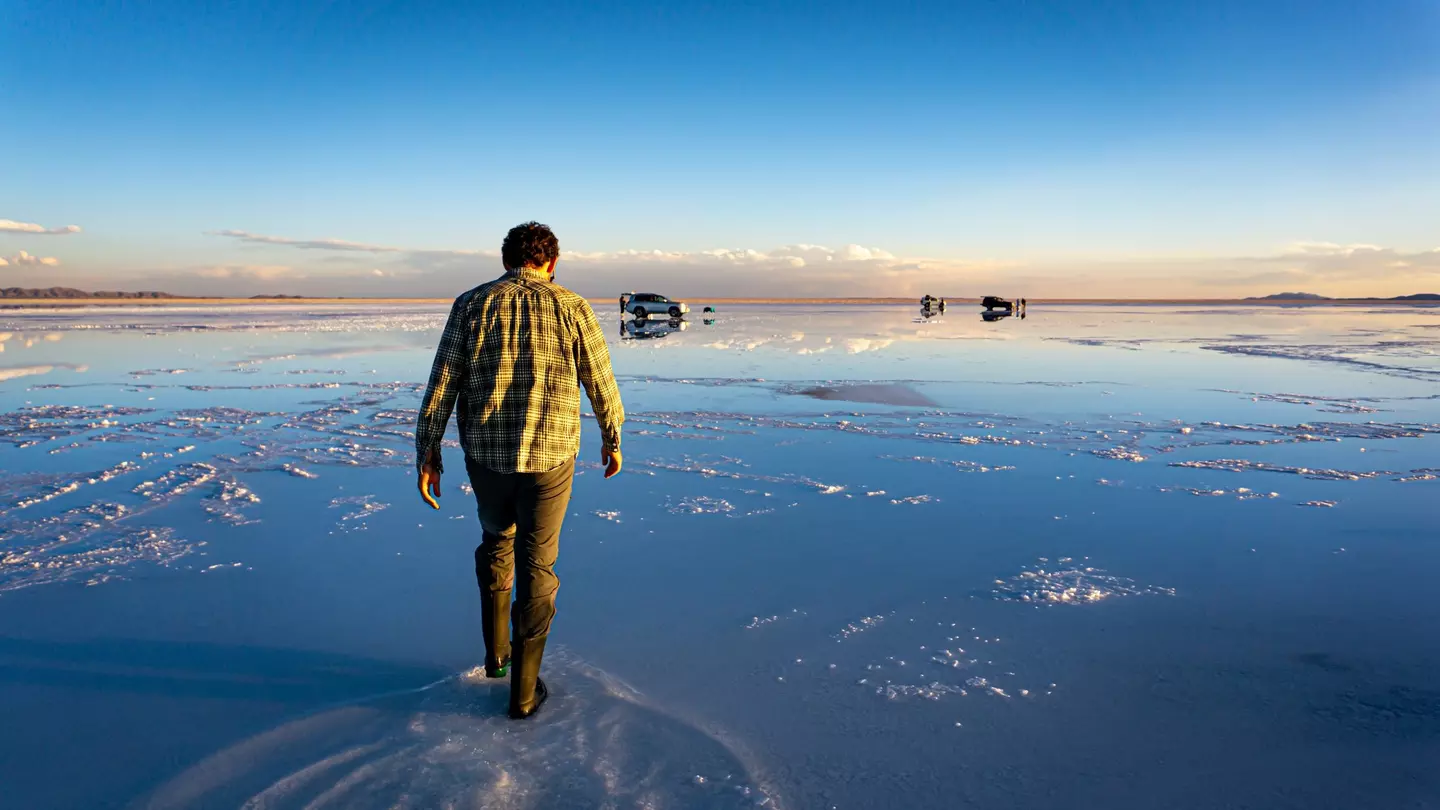
Salt flats in Uyuni, Bolivia. mapimarf/Shutterstock
South America’s surreal landscapes and unmatched natural diversity attract millions of travelers every year. With scenery varying from lush rainforests and rolling grasslands to snowcapped volcanoes and deserts littered with pink flowers, the continent is a playground for hikers and nature enthusiasts eager to explore some of the world's most spectacular ecosystems.
However, biodiversity is just the icing on the cake. The vibrant cultural tapestry, energetic cities and long list of adventure activities in South America receive just as much attention from veteran globetrotters looking for their next big thrill and occasional travelers taking a dream trip.
To help you narrow down the fascinating choices, here’s a roundup of the must-visit places in South America.
Advertisement
1. Galapagos Islands, Ecuador
Best for wildlife
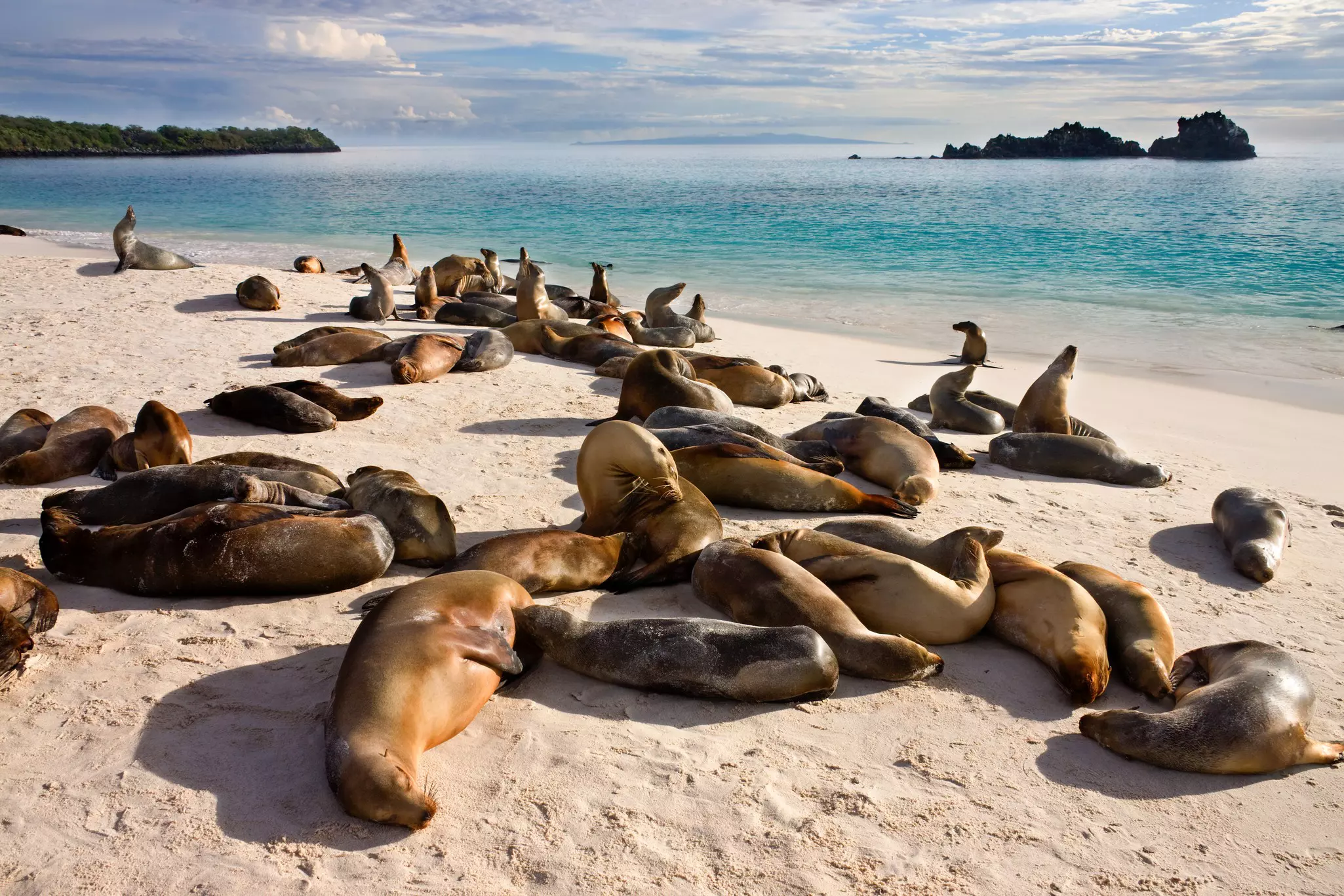
One-of-a-kind ecosystems, fauna found nowhere else in the world and links to Charles Darwin’s theory of natural selection have all contributed to the Galapagos Islands’ reputation as one of the world's top wildlife destinations. But make no mistake – despite being a hot spot, the archipelago remains a vital haven for wildlife protection.
Administered by Ecuador, the major islands of San Cristóbal, Santa Cruz and Floreana, and numerous small islands and surrounding islets, flaunt natural wonders worth witnessing at least once in a lifetime. Volcanic calderas, lava tunnels and pristine beaches are home to endemic species so unique that their evolution continues to be studied and closely monitored nearly two centuries after Darwin visited. Giant tortoises, sea lions, marine iguanas and the only penguin species to live in the northern hemisphere are some of the creatures that thrive in this primeval landscape.
Visiting the archipelago comes with its own set of responsibilities and costs. However, an expedition to the untouched coastlines of uninhabited islands and coming face-to-face with rare wildlife in its natural habitat is an experience hard to replicate in other parts of the world.
Planning tip: If you’re hoping to come across specific species during your trip, make sure you pick the best time to visit. The seasons for animal sightings vary vastly depending on the species. For instance, the ideal period to spot blue-footed boobies is from May to August, when they perform their famous courtship dances, while July to November is the best for whale watching.
2. Bogotá, Colombia
Best for food
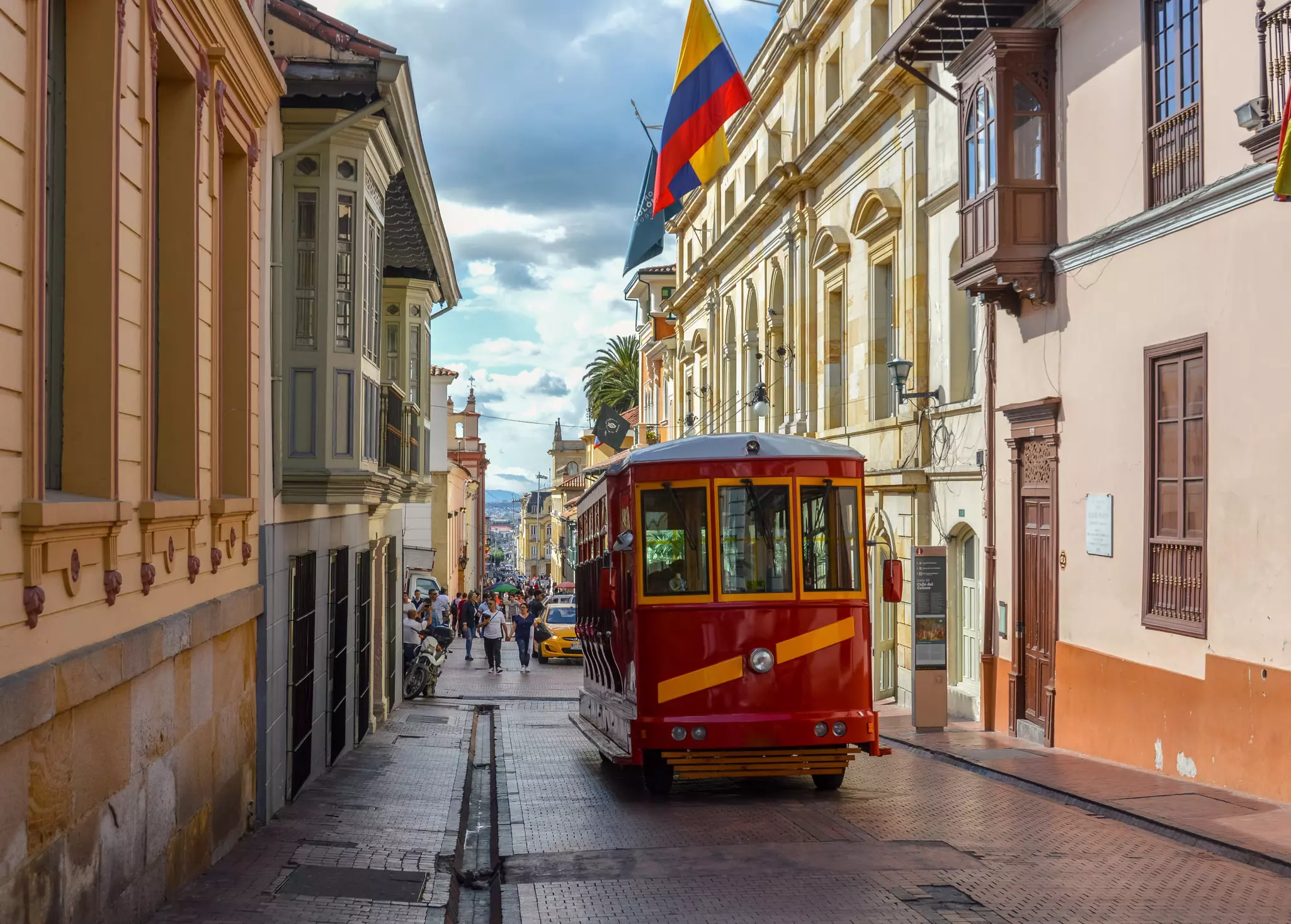
South Americans will never see eye to eye when it comes to picking which country has the best food, but Bogotá's culinary scene has offerings as varied as Colombian haute cuisine, hearty European-inspired dishes prepared with South American ingredients and dynamic Asian fusion food.
At contemporary restaurants such as Debora, homegrown chefs have reinvented the national menu to better reflect Colombia’s rich diversity. From costa y río (coast and river) cuisine to the flavors of the campo (countryside), expect treats such as fresh tuna, beef tongue and crispy pork garnished with edible flowers, Andean herbs and cereals.
Try a sampling at La Ventana at the Hilton Bogotá, which delights diners with its Colombian Corner of essentials; ajíaco (chicken, corn and potato soup), arepas (corn cakes) and empanadas (stuffed pastries) are reimagined with fresh ingredients sourced directly from sustainable gardens.
Planning tip: Bogotá’s foodie culture isn't limited to restaurants. Spaces such as the Casa Creciente, a design hub in the chic Quinta Camacho neighborhood, merge fashion and food, with a curated selection of designer gear and gourmet products, including herbal tea blends, artisanal wines and chocolate from Colombian brands. Across town, the Mercado de la Tierra Slow Food opens its doors every Sunday, providing a vibrant marketplace for entrepreneurs and producers selling organic veggies and fruits, natural seasonings, cheese, pastries and other local delicacies.
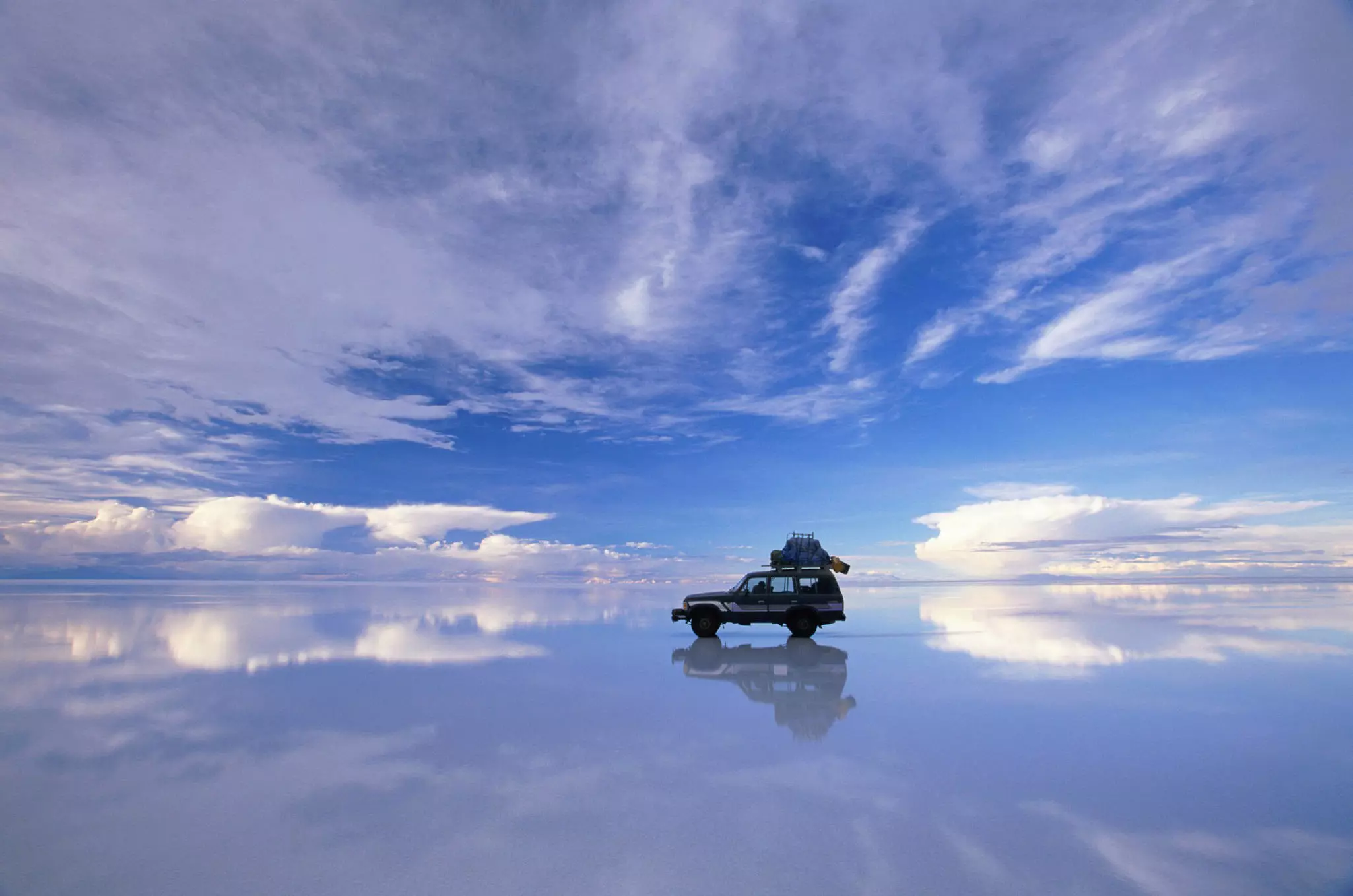
3. Salar de Uyuni, Bolivia
Best for extreme scenery
Spanning 10,582 sq km of the Bolivian Altiplano, the Salar de Uyuni is one of South America’s most extreme landscapes. These salt flats were once covered by a large body of water that evaporated, leaving a thick crust of salt behind.
Whether you visit during the rainy season (December to April) to see the flats transform into a natural mirror or touch down during the dry season (May to November) for a 4WD tour across the hardened salt, the destination is well worth the journey to get there. Surreal reflections, illusions of perspective and beautiful starry skies create the perfect backdrop for creative photos.
Advertisement
Highlights of the region include the largest train graveyard in the world and cactus-covered Isla Incahuasi, an eye-catching hummock that stands out amid the expanse of white and is only fully accessible during the dry season.
Planning tip: Located in southwestern Bolivia, the Salar de Uyuni is accessible from both Bolivia and Chile, and is often a leg on tours that also cover the Atacama Desert. World White Travel organizes stopovers in Chile's Reserva Nacional de Fauna Andina Eduardo Avaroa, Bolivia's Desierto de Dalí and a series of lagoons in Bolivia where you can observe flamingos, vicuñas and natural geysers. Contact Naya Traveler for tailor-made stargazing itineraries.
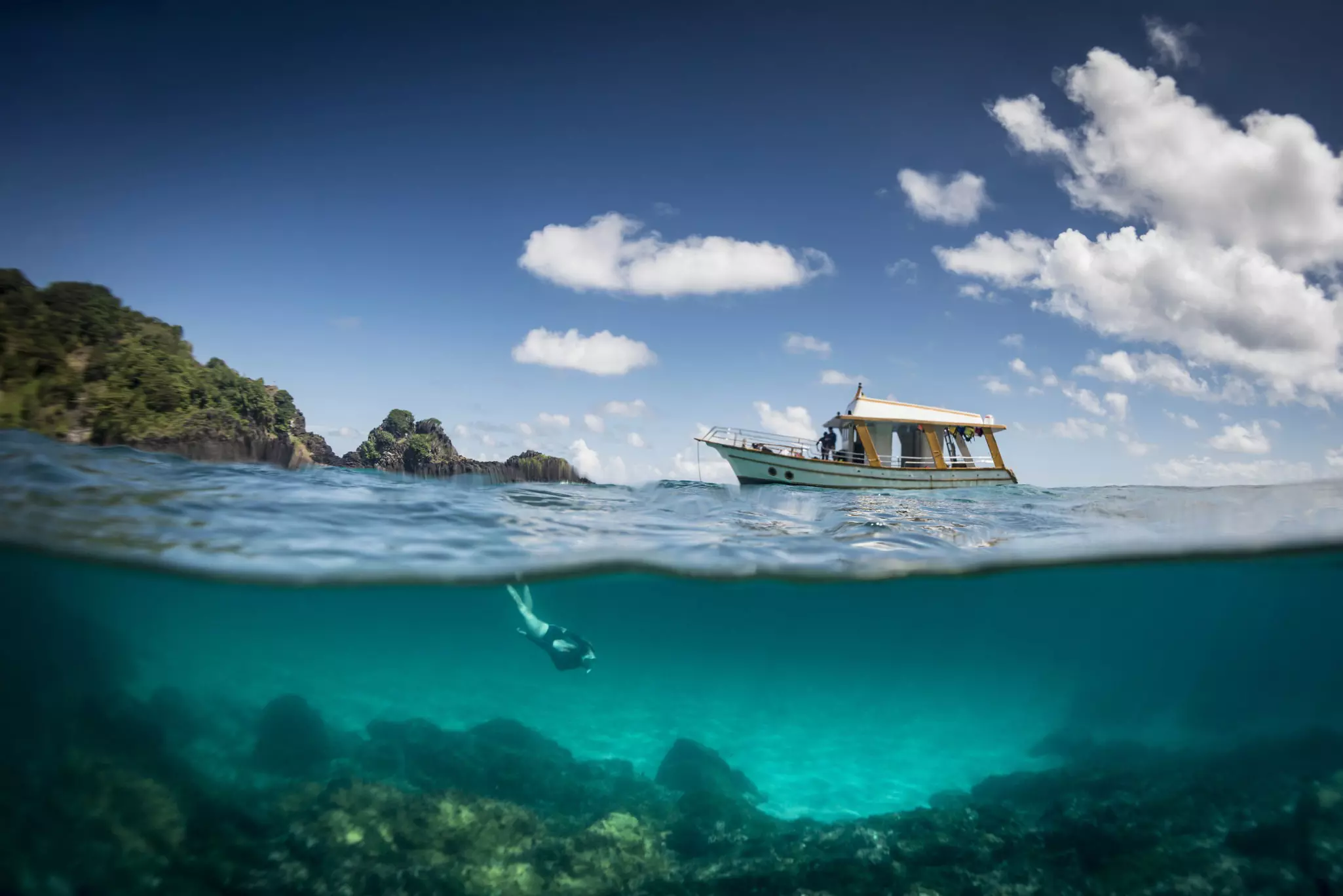
4. Fernando de Noronha National Marine Park, Brazil
Best for relaxing
Dropped in the Atlantic Ocean about 340km off the mainland coast of Brazil, the Fernando de Noronha archipelago is one of South America's best hidden jewels. The 21 islands, which are recognized as a UNESCO World Heritage site, are a playground for marine enthusiasts and anyone who craves a relaxing retreat.
This archipelago receives only a limited number of tourists every month, allowing visitors to bask on azure beaches and enjoy the paradisiacal seascapes in relative tranquility. The entry restrictions also minimize the impact of humans on an ecosystem that protects the largest concentration of tropical seabirds in the Western Atlantic, as well as the largest population of resident dolphins on the planet.
Must-see spots in the marine park include Baía do Sancho – which locals insist is the most beautiful beach in the world – and Baía dos Porcos, meaning "Dolphin Bay," thanks to the congregations of dolphins that gather early every morning. Alongside contemplating the crystal-clear waters and lounging about in gorgeous resorts, popular activities in the archipelago include snorkeling, diving and surfing.
Planning tip: To support local conservation efforts, travelers are required to pay a national park entry fee of 373 Brazilian reais (R$), valid for 10 days, and a daily environmental protection tax of R$97. As visitor numbers are strictly controlled, purchase your tickets in advance.
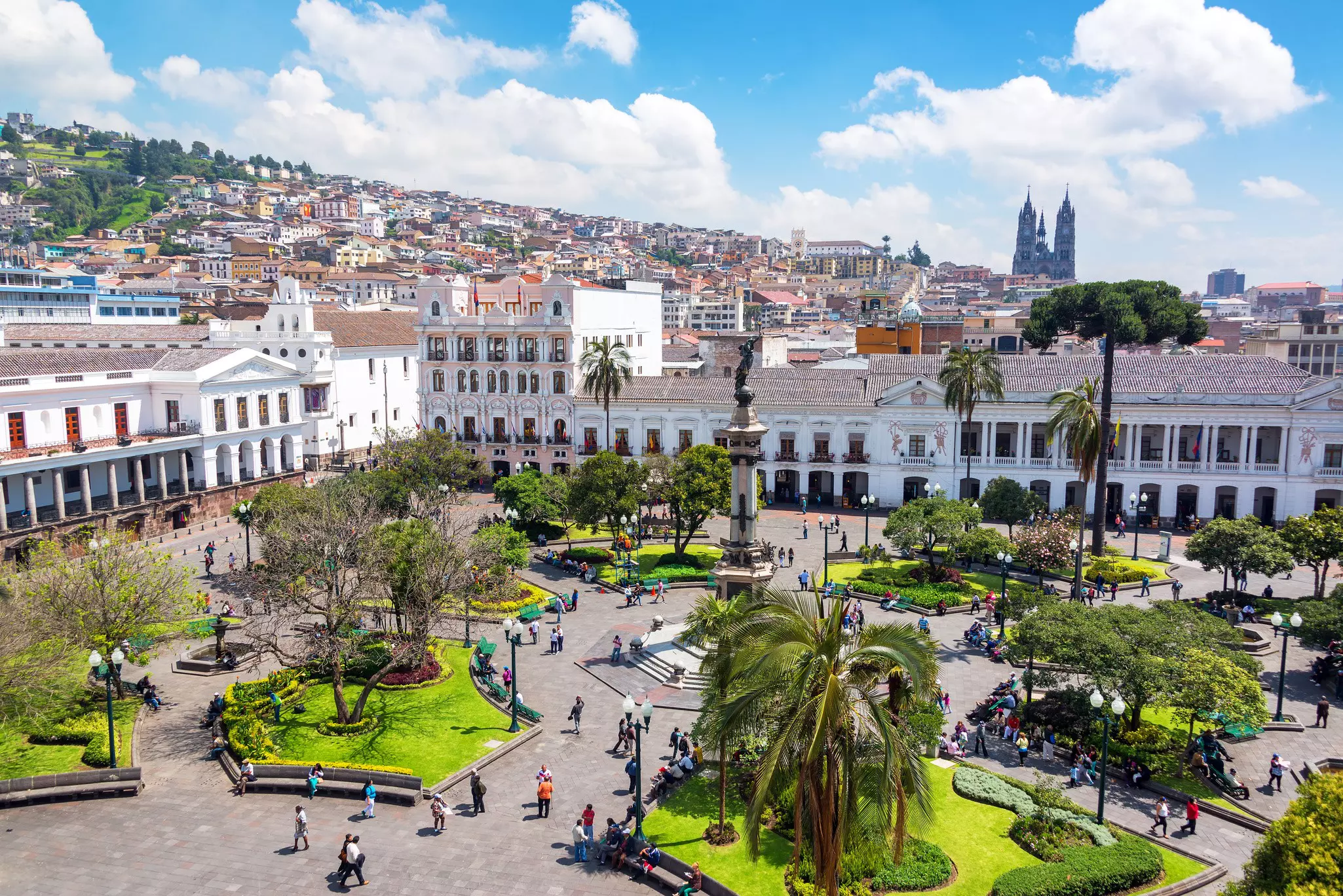
5. Quito, Ecuador
Best for art and history
It's an old joke, but Quito is widely described as one of South America’s most breathtaking cities – literally. Sitting at 2850m above sea level, Ecuador's capital will take your breath away, particularly if you fly in from a lower elevation. But the city's architecture, old-school charm and location on the slopes of a dormant volcano right on the equator never fail to amaze travelers.
Part of the appeal lies in the city's seamless combination of Indigenous and Hispanic culture. This crossover is perhaps best exemplified by the famed La Escuela Quiteña, which trained Indigenous and mestizo people in painting, wood carving, sculpture and other crafts. Blending European styles such as romanticism, baroque and neoclassicism with Indigenous influences, the school quickly became the epicenter of art production in South America. Its legacy stands the test of time at La Compañia de Jesus, Iglesia y Convento de San Francisco and Monasterio Museo del Carmen Alto – just some of the top names in a long list of religious buildings and museums preserving art from La Escuela Quiteña.
Planning tip: If you’re visiting Quito’s historic center, there's no need for a pricey tour to visit the best attractions. You can see gold-leaf-covered tableaux, polychrome sculptures and Indigenous iconography in many churches open to the general public for free (except at La Compañia de Jésus, where there's an entry fee). And tickets to the museums and historic convents with the greatest art displays generally include a guide.
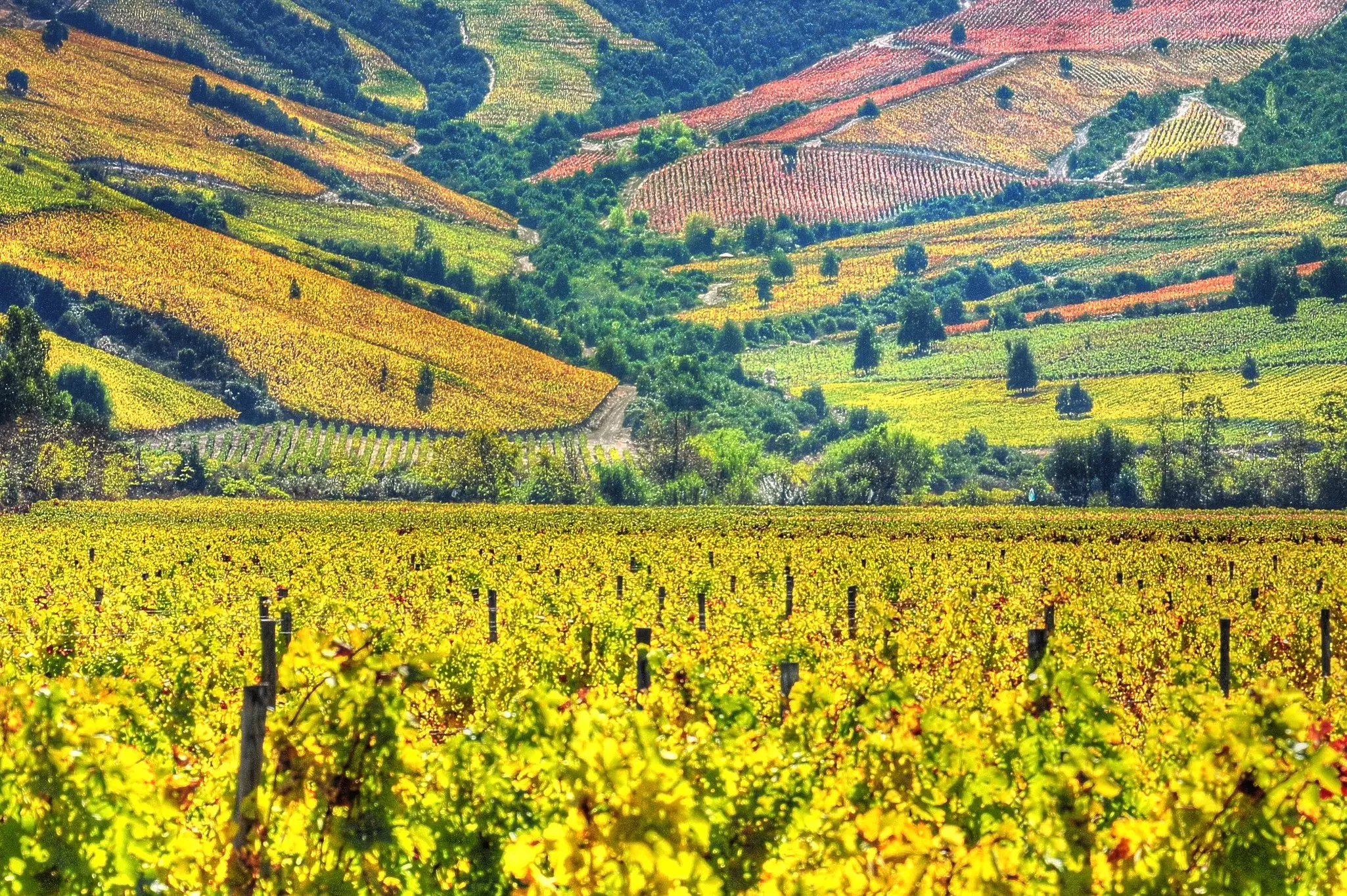
6. Colchagua Valley, Chile
Best for wine
Conveniently located about 200km from Santiago, the Colchagua Valley is one of Chile’s most recognized wine regions, with widely lauded, award-winning cabernet sauvignons and syrahs. Colchagua is equally appealing for oenophiles focused on tasting specific wines as it is to the uninitiated who hope to get familiar with South American wine culture for the first time. The grand architecture, historic vineyards and high-quality wine at stops such as Casa Silva, Viu Manent and Clos Apalta will enhance any stay in the valley.
Planning tip: Not everything in the Colchagua Valley is about wine – once you’ve enjoyed your fill of tastings, horseback tours and winemaking workshops, be ready to go a step further. The region offers spectacular stargazing, hiking and cycling, as well as the opportunity to dive into the culture of the Mapuche, Rapa Nui and Aymara peoples.
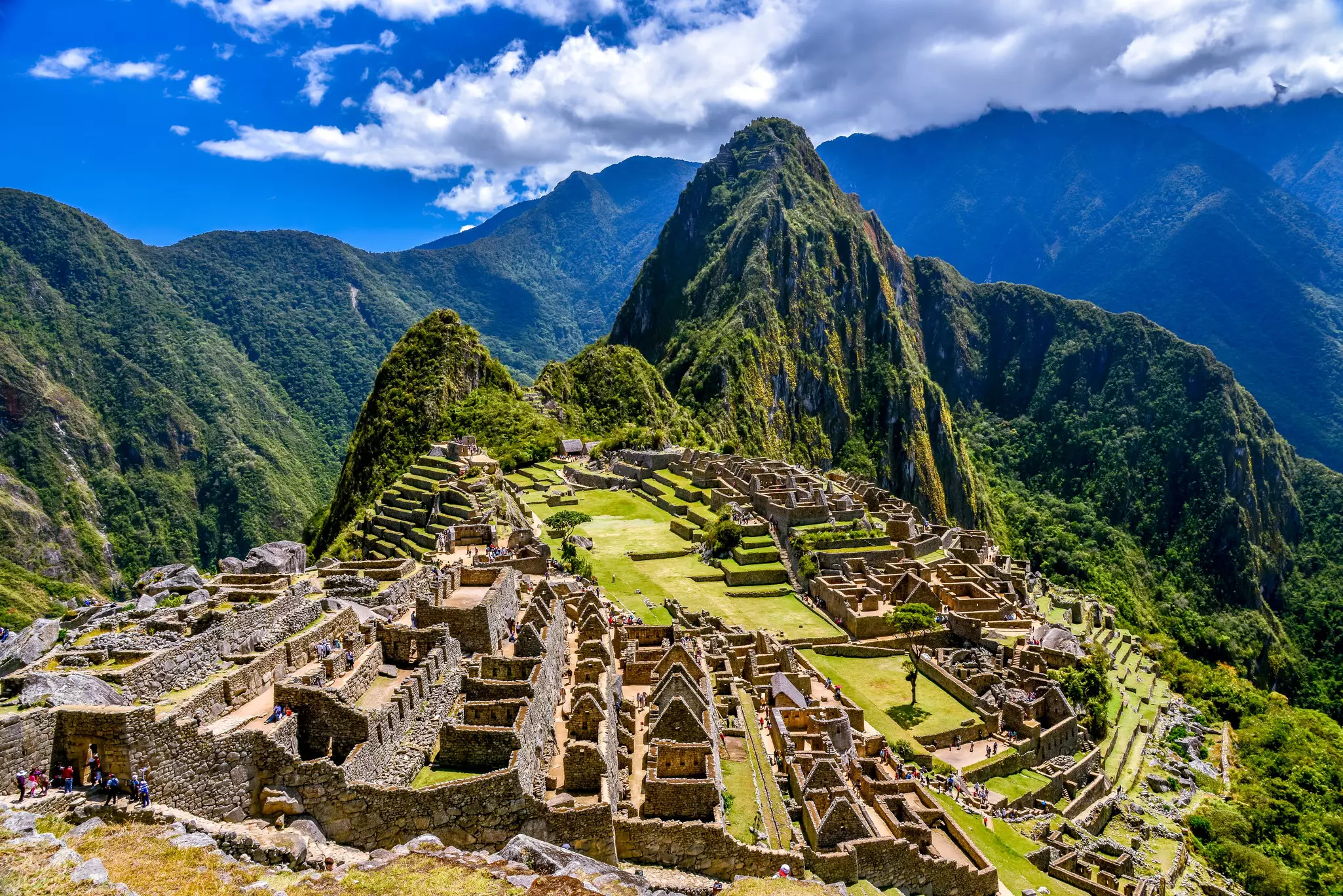
7. Machu Picchu, Peru
Best for intrepid travelers
Machu Picchu stands as a testament to the genius of the Inca civilization and ancient engineering. The architectural zone covers more than 200 stone structures constructed by the Inca peoples in the 15th century, perched at 2430m above sea level and zealously guarded by Huchuy Picchu (Little Mountain) and Huayna Picchu (Young Mountain).
Thanks to the mysteries surrounding its construction and the stunning natural landscape, this ancient Inca citadel has become an essential fixture on many South American itineraries. History buffs, adventure seekers and frankly anyone with a pulse will be thrilled by this famous ruined city in the Andes mountains.
The circuitous route to the ruins brings international travelers from Lima to Cuzco, then to the town of Aguas Calientes, where they join one of several hiking trails to reach Machu Picchu. As you get around the Peruvian Andes by plane, train, road and your own feet, you'll be enchanted by the views, the history, the food and the kindness of the Peruvians you meet along the way.
Planning tip: The number of visitors to Machu Picchu – and on the trails – is capped by the day, so plan your trip ahead and book tickets and trekking slots in advance through the Machu Picchu portal or local tour agencies.
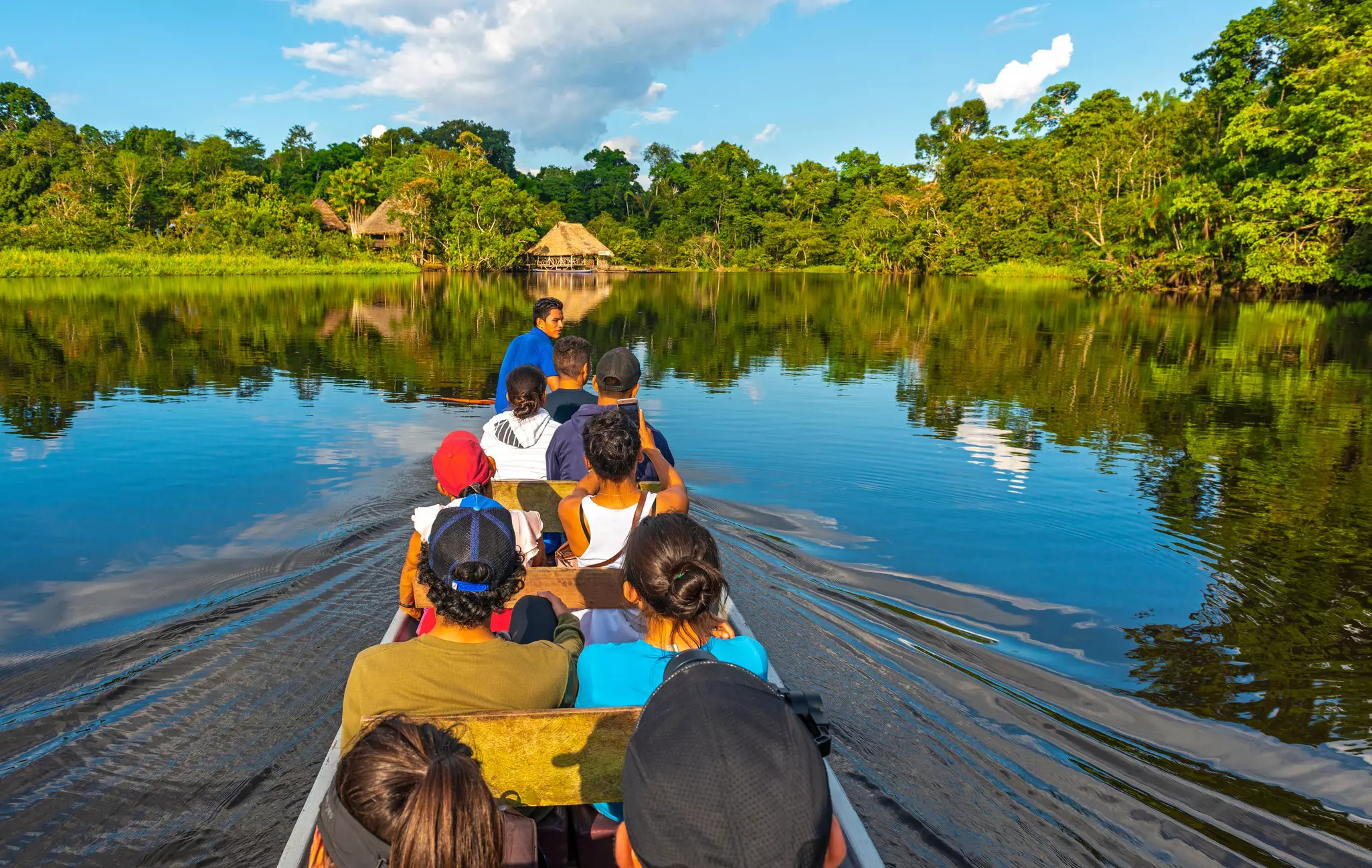
8. Amazon rainforest in Ecuador, Peru, Colombia and Brazil
Best for untamed nature
Don't even think about coming to South America without visiting the Amazon rainforest, one of the most biodiverse places on earth. At more than 7 million sq km, the world's largest tropical rainforest extends through many countries in South America – the key gateways are Brazil, Colombia, Peru and Ecuador.
Brimming with unique flora and fauna and inhabited by a wide variety of Indigenous cultures – including some of the few uncontacted peoples in the world – the Amazon is a treasure trove for nature and adventure lovers.
Wildlife encounters with anacondas, jaguars and macaws make the Amazon rainforest a favorite destination for animal enthusiasts and bird-watchers, and visiting involves throwing yourself into hiking, tree climbing, canoeing and long river journeys by boat.
The human dimension shouldn't be overlooked. Some Indigenous communities welcome travelers into their homes for sustainable and community-based experiences, from traditional medicine workshops to river tours in search of rare wildlife.
Planning tip: Exploring the ecosystems of the Amazon can be a time-consuming and logistically complicated process. If you’re looking for a quick taste, organized tours to Ecuador’s Parque Nacional Yasuní take travelers to eco-lodges for treks led by Indigenous guides and wildlife-spotting trips in dugout canoes.
Advertisement