Advertisement
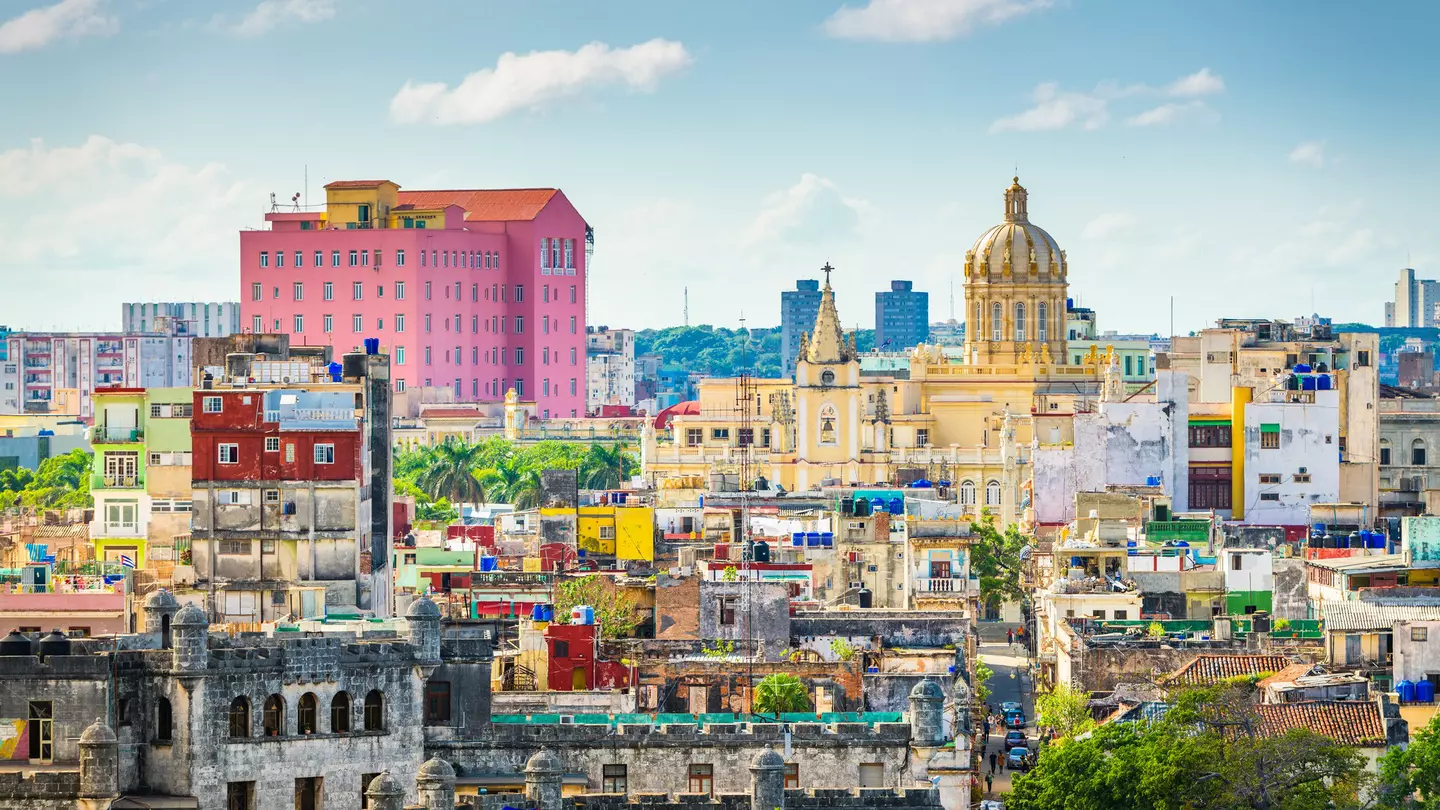
The skyline of downtown Havana. Sean Pavone/Shutterstock
Havana's cultural calendar is full of visit-worthy events every month, with the more prestigious events taking place between October and April. Whether you're coming for jazz, ballet, religious processions or fiery festivals, you'll be able to find something to fit your taste and budget throughout the year.
Advertisement
Lapped by the choppy waters of the Straits of Florida, Havana is always warm, but it hits a climatic peak during the northern hemisphere winter when the weather is dry and not too humid. Plan the best time for your visit to Cuba's capital with our seasonal guide.
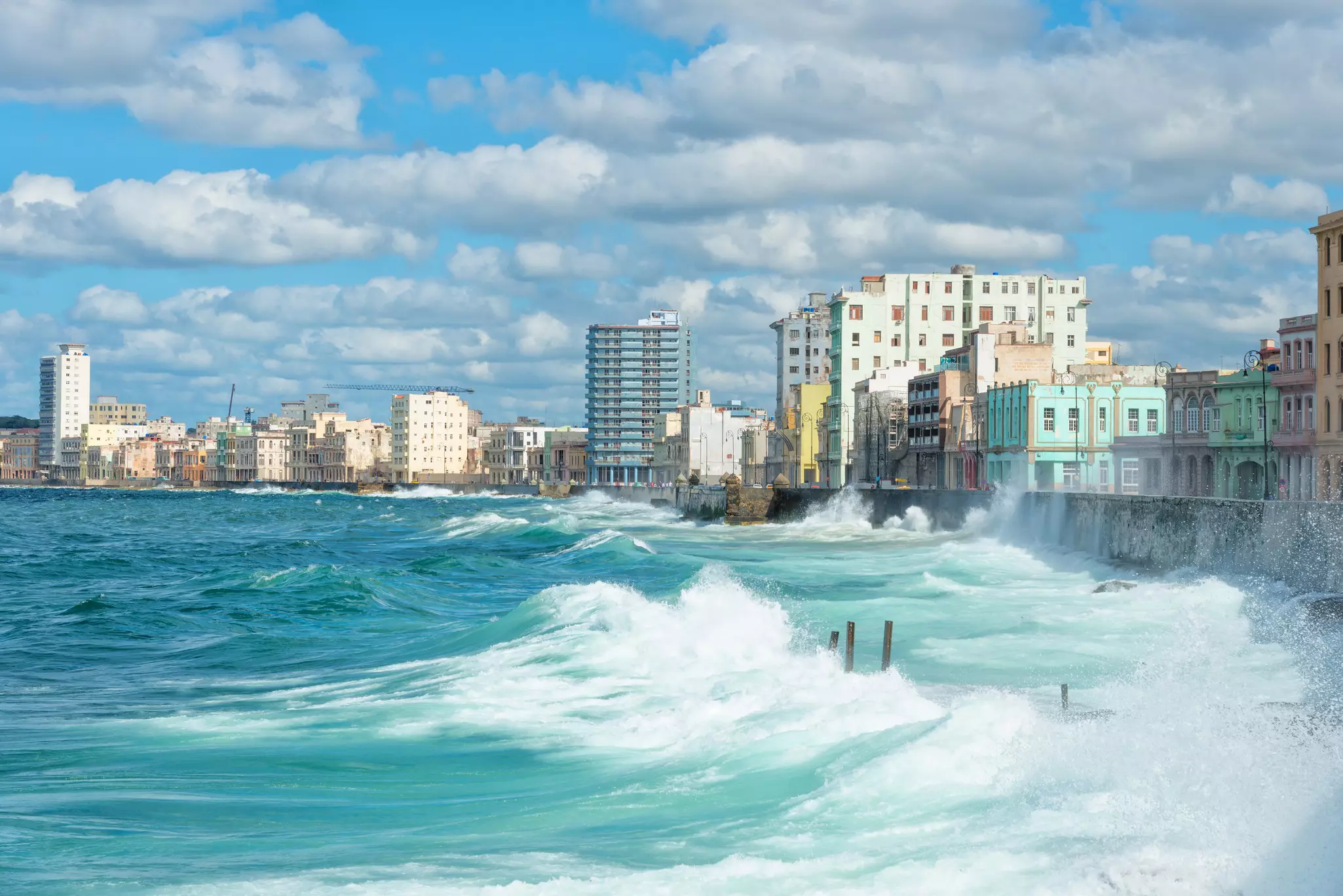
November to March is best for beaches and baseball
Weather in Havana in winter: As the rainy season draws to a close, temperatures become more bearable in November. January is Havana’s coolest month, with average daily temperatures of around 22ºC (72ºF).
This is Havana’s high season, when hordes of tourists from Europe and Canada flee their snow and freezing temperatures and decamp to Cuba. While many head to the all-inclusive resorts that line the north coast, a good proportion spend at least part of their time in Havana. These winter tourists start arriving in early to mid-November. Prices for flights, hotels and packages start going up from then and nudge even higher (as much as 25%) over Christmas and New Year, making this the most expensive time to visit.
December brings one of Havana's biggest international festivals, Festival Internacional del Nuevo Cine Latinoamericano (dedicated to film), and its most devotional religious procession (dedicated to San Lázaro). Christmas celebrations have been reignited in the last two decades after practically dying out during the early years of the Revolution.
Advertisement
The busiest month in terms of tourist numbers is January, closely followed by February and March, when the weather is dry but not too hot and tempered by the occasional frente frio (cold front). Expect some shortages during these busy months, particularly in the availability of rental cars.
Sharp-eyed travelers visiting in March should look out for migratory birds that congregate in some of the city's large green spaces, including Parque Lenin and the Jardín Botánico Nacional.
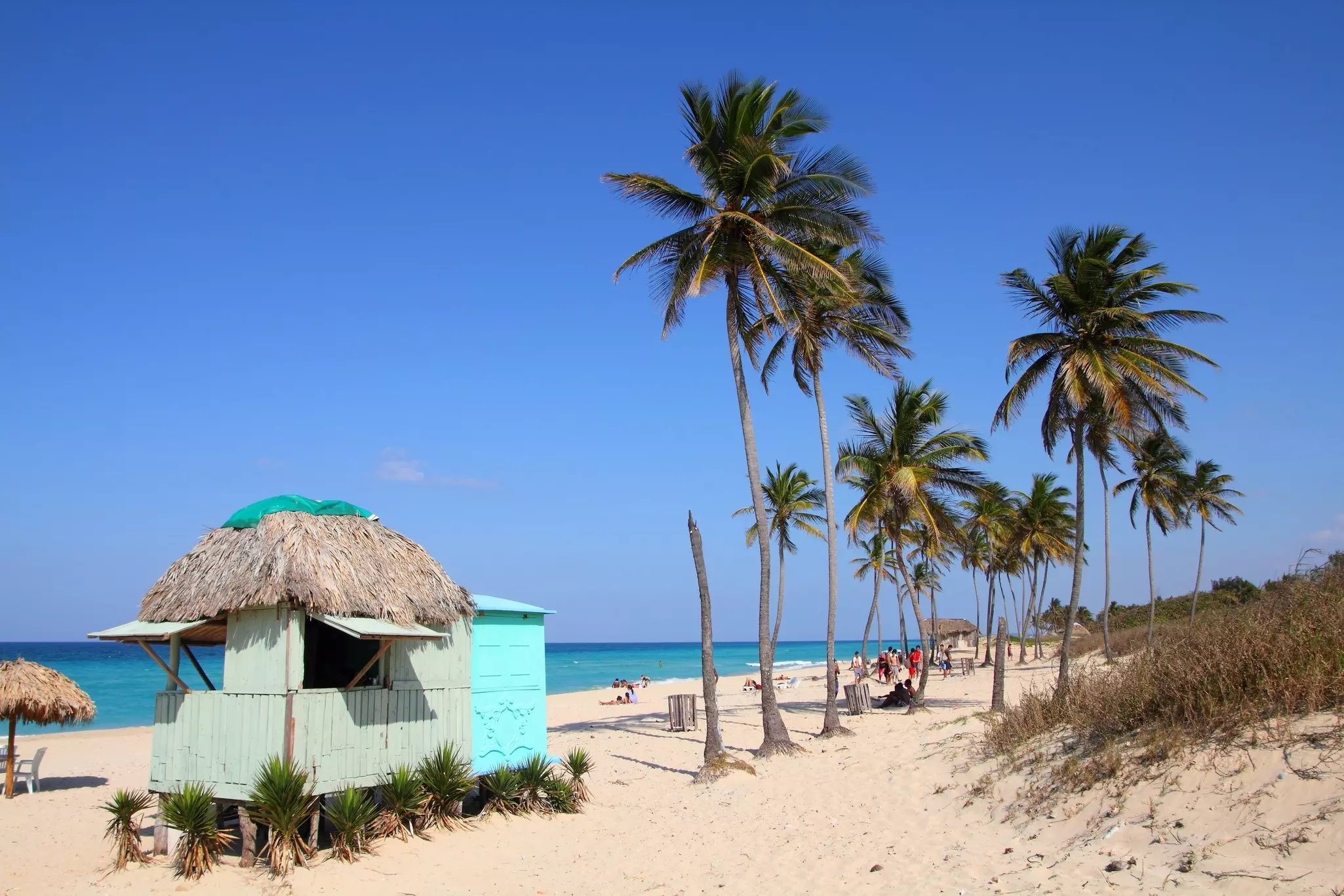
Crowds aside, January to March is the perfect time to visit the beaches of Playas del Este and partake in a range of water activities. It’s also the conclusion of Cuban baseball’s National Series and a potentially exciting time for fans of Havana’s Industriales team.
July to August are the best time if you like it hot
Weather in Havana in summer: Scorching temperatures are guaranteed – August is the city’s hottest month with highs around 32°C (90°F).
The mini high season of July and August is when Cubans go on vacation. This 2-month-long summer spike affects the country’s cheaper hotels and rural campismos (affordable rustic accommodations) but has less of an impact in Havana, except during the city’s annual carnival in August.
April and October have fewer visitors
Weather in Havana in April and October: April is the second-driest month, the sunniest and the least humid. Conversely, October can be stormy, with oppressive humidity and persistent rain to dampen tourist numbers.
With this good weather and less-crowded beaches, April is a good time for fishing in the Gulf Stream and kitesurfing at Tarará. Foreign visitors begin tailing off in April, and prices start to fall after Easter.
Early fall delivers some excellent cultural annual events. The internationally acclaimed theater and ballet festivals – Festival de Teatro de la Habana and Festival Internacional de Ballet de la Habana – are both worth planning a trip around.
May, June and September are the best months for budget travelers
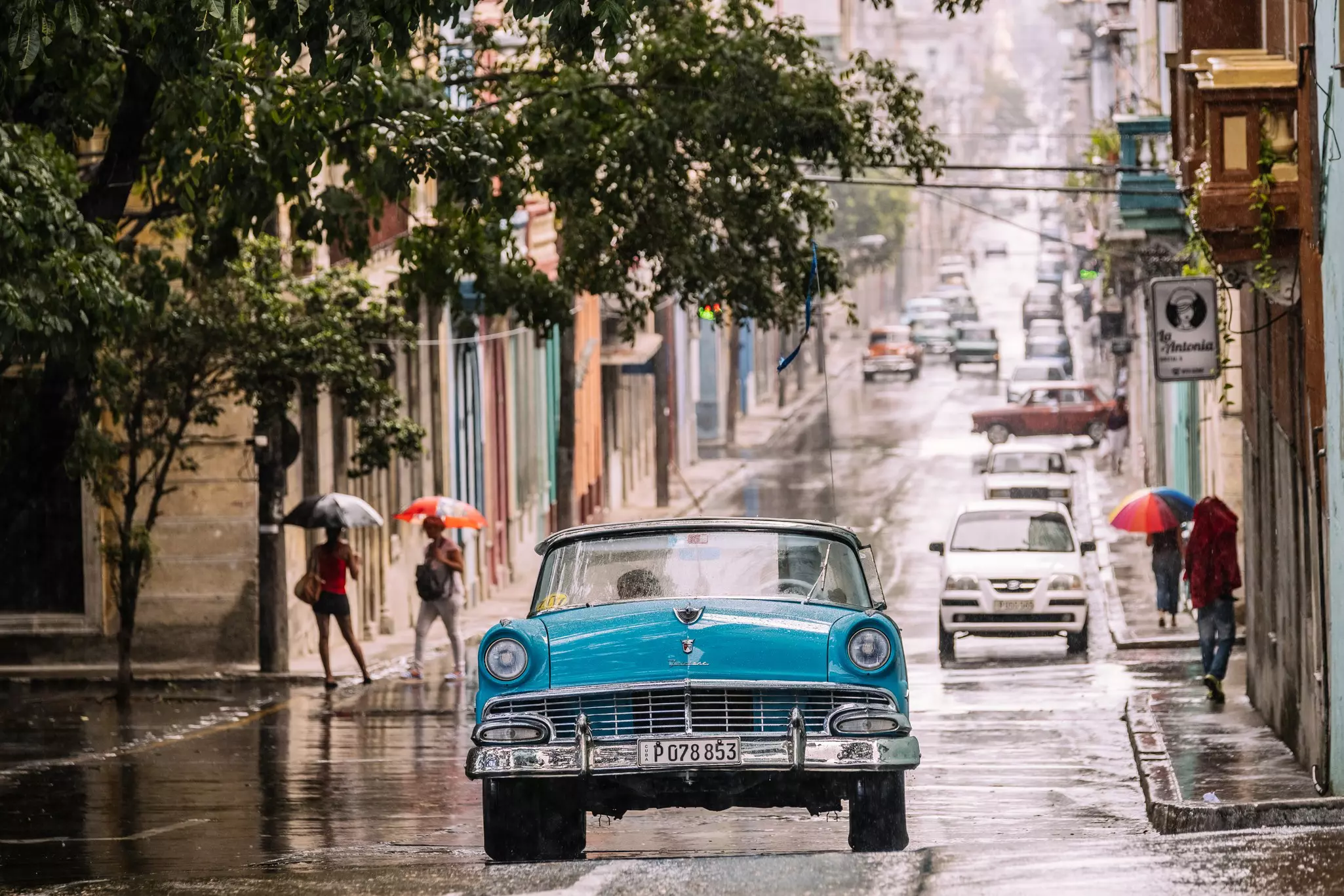
Weather in Havana in low season: This is rainy season but Havana's showers – even in the June to November rainy season – are usually short and heavy, with rain rarely lasting all day. June marks the start of the Caribbean hurricane season, with big storms an exception rather than a rule, although June is the wettest month for all-around rainfall. September is peak hurricane season in Cuba, when the outside chance of a “big one” (usually every 4 to 5 years) keeps many vacationers at bay.
Low season is prime time for budget travelers, crowd-avoiders and those not averse to getting a little wet. Ranking as one of the cheapest months, May marks a sweet spot between the crowded winter season and the domestic barrage of summer. It also offers a potential weather window. June is the height of mango season – reason enough to visit!
While there are not a ton of quirky festivals to savor during this time, Havana never lacks life, and all the best museums and sights remain open year-round. Accommodations-wise, you’ll pay cheaper rates and find better availability in the low season. Similarly, travelers will enjoy shorter lines, less crowded beaches and a quieter, slicker airport experience.
Advertisement