Advertisement
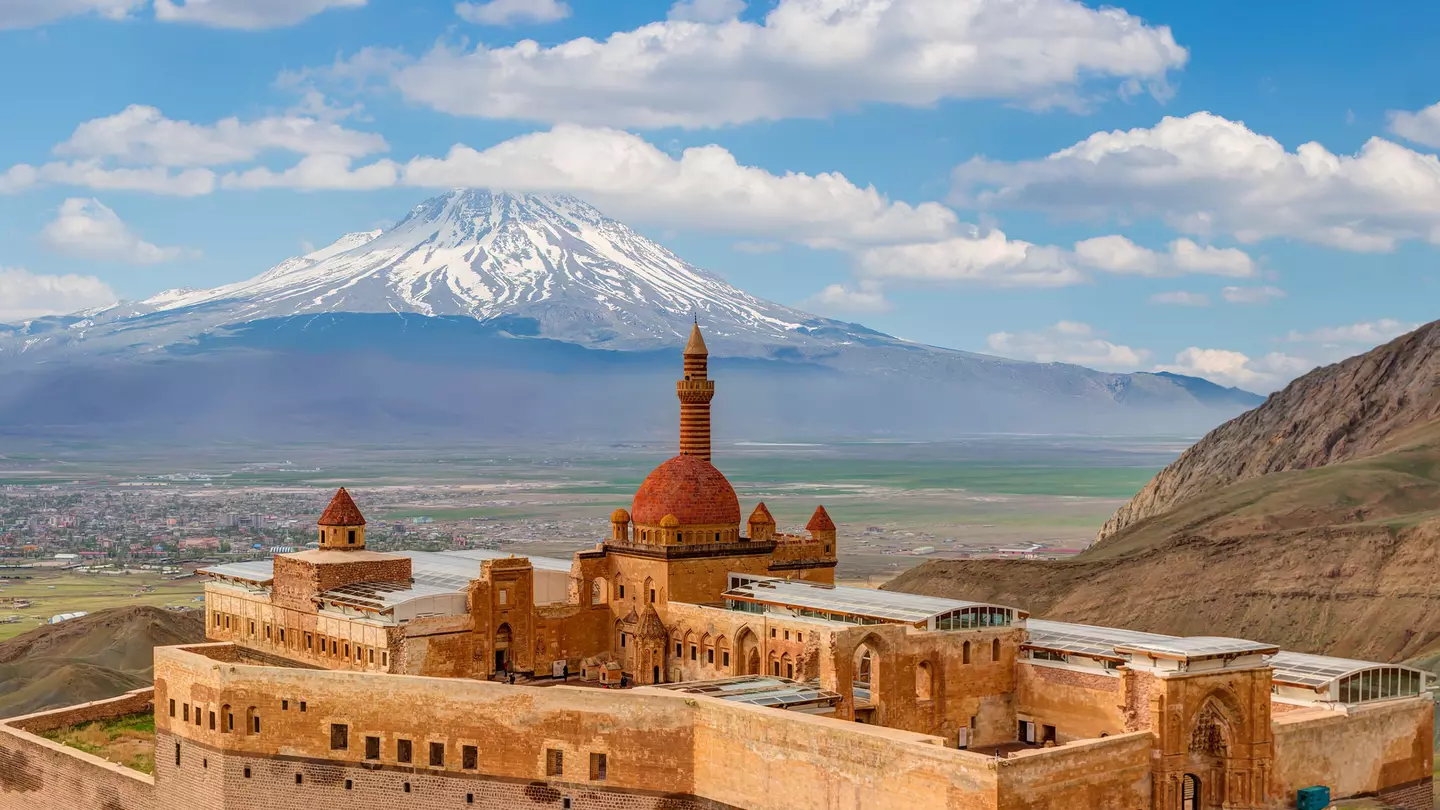
The majestic İshak Paşa Palace. muratart / Shutterstock
The captivating city of İstanbul, the fantastical rock forms of Cappadocia (Kapadokya), the ancient ruins of Ephesus (Efes), and the glimmering Mediterranean and Aegean coastlines are the biggest draws in Türkiye. But every region of the country has something distinct to offer.
The diversity of landscapes and heritage and Türkiye's rich culinary culture will surprise travelers who have never ventured beyond the beautiful beaches that dot the coastline. However, even though it’s easy to get around in Türkiye, the country has so much to see and do that you'll never tackle it all in a single itinerary.
It's highly likely that your flight route to Türkiye will take you through İstanbul, so set aside at least a few days to explore this dynamic metropolis before heading out into the countryside. Fill the rest of your trip at these other top places to visit in Türkiye.
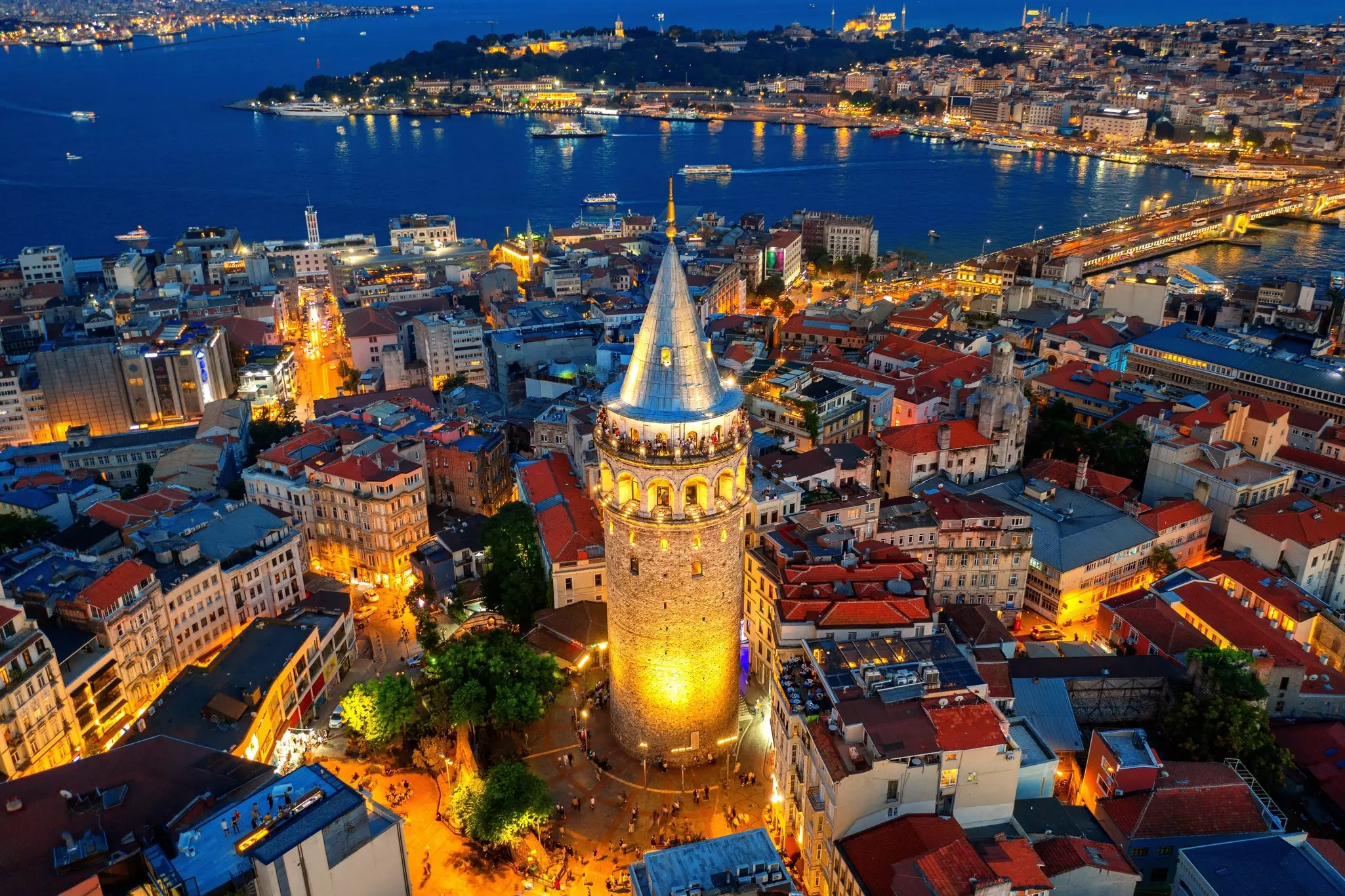
1. İstanbul
Best for ancient sites and modern neighborhoods
One of the world’s greatest cities, İstanbul should be on every traveler’s must-visit list. The city's highlights in the Sultanahmet district such as the Hagia Sophia – the city's famous Byzantine basilica turned mosque – and the lavish palace of the Ottoman sultans attest to the city’s centuries-long history as a hub for powerful empires.
But set aside some time to experience İstanbul and its many neighborhoods as they are today. Go cafe- or barhopping in hip Kadıköy, linger at a hamam, wander the backstreets in Fatih, peruse contemporary art in Beyoğlu, and ride the historic İstiklal Caddesi tram.
Planning tip: Don’t miss the simple pleasure of drinking çay (tea) while taking in spectacular views of the city from the ferry across the Bosphorus, linking the European and Asian sides of İstanbul.

2. Cappadocia
Best for unique landscapes
Cappadocia is a geological wonderland in the center of Türkiye, serving up some of the world's most arresting landscapes. The history of early Christianity in this part of Anatolia comes alive at the Göreme Open-Air Museum and the other cave churches and underground cities scattered around the surrounding valleys.
When you're done with history, romance blossoms in the area’s cozy cave hotels and restaurants, not to mention early morning balloon rides topped off with a champagne toast at sunrise. On the ground, adventure awaits amid the green valleys and undulating outcrops for hikers, mountain bikers and trail runners.
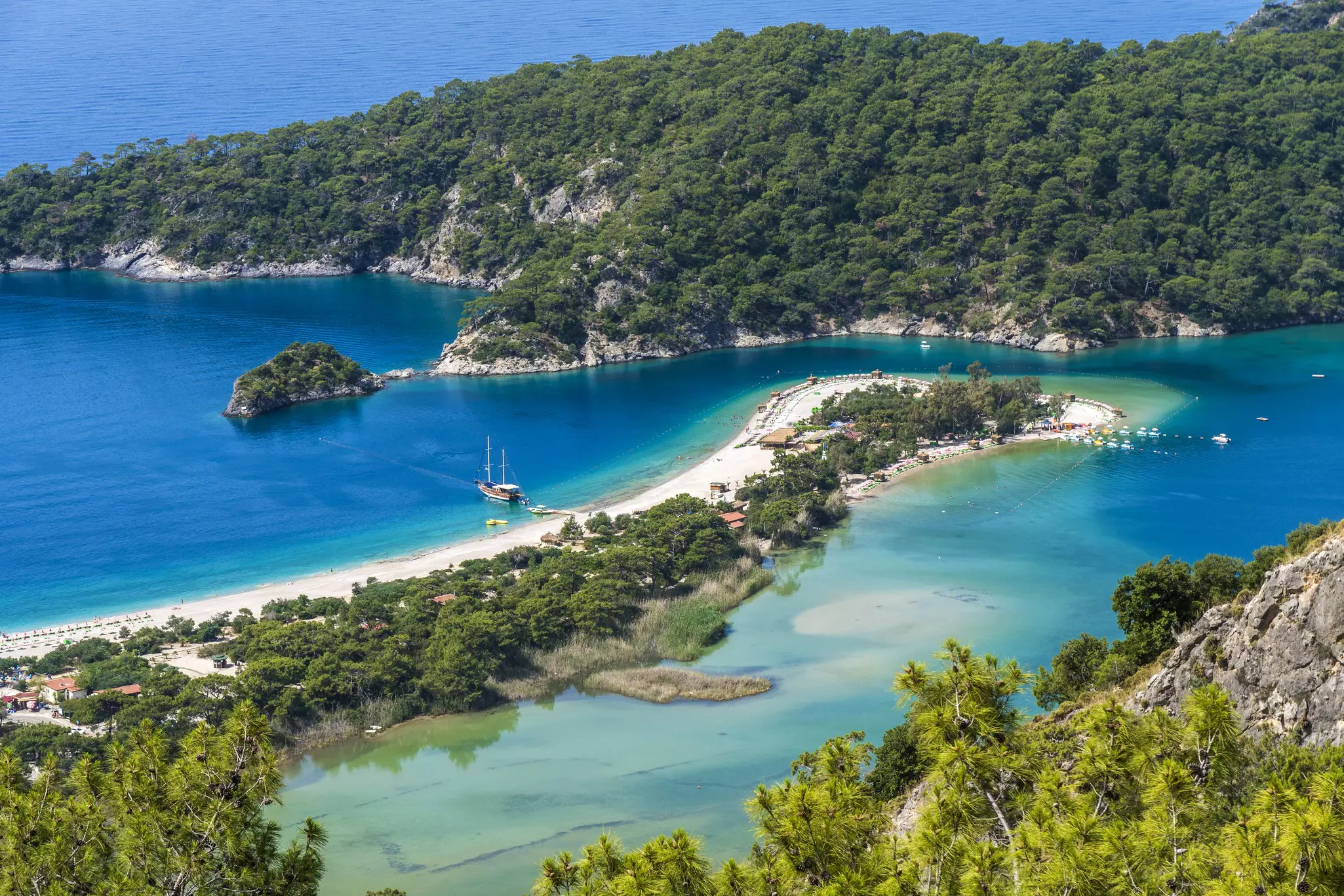
3. The Turquoise Coast
Best for history and beaches
Between Fethiye and Antalya, Türkiye's Mediterranean shoreline – called the Turquoise Coast – is full of beautiful places to enjoy sun, sea and sand, but it’s also studded with relics from the ancient civilizations that once populated the area.
The seaside ruins of Phaselis and Patara (which also boasts one of Türkiye's best beaches) are particularly picturesque, as are the rock-cut tombs of Myra. The Antalya Museum offers plenty of insights into the region’s rich history. Explore by sea on a gület (traditional wooden sailing boat) cruise, on foot along the Lycian Way hiking trail or on a road trip along coastal roads.

Lonely planet’s trusted travel insurance provider
Travel with confidence. Protect your trip and your wallet.
We don’t represent World Nomads, we receive a fee from quotes using this link. This is not a recommendation to buy travel insurance.
Planning tip: Seasonal summer flights with budget carriers such as Ryanair and EasyJet provide a cost-effective way to reach Turquoise Coast resort towns such as Antalya and Dalaman.
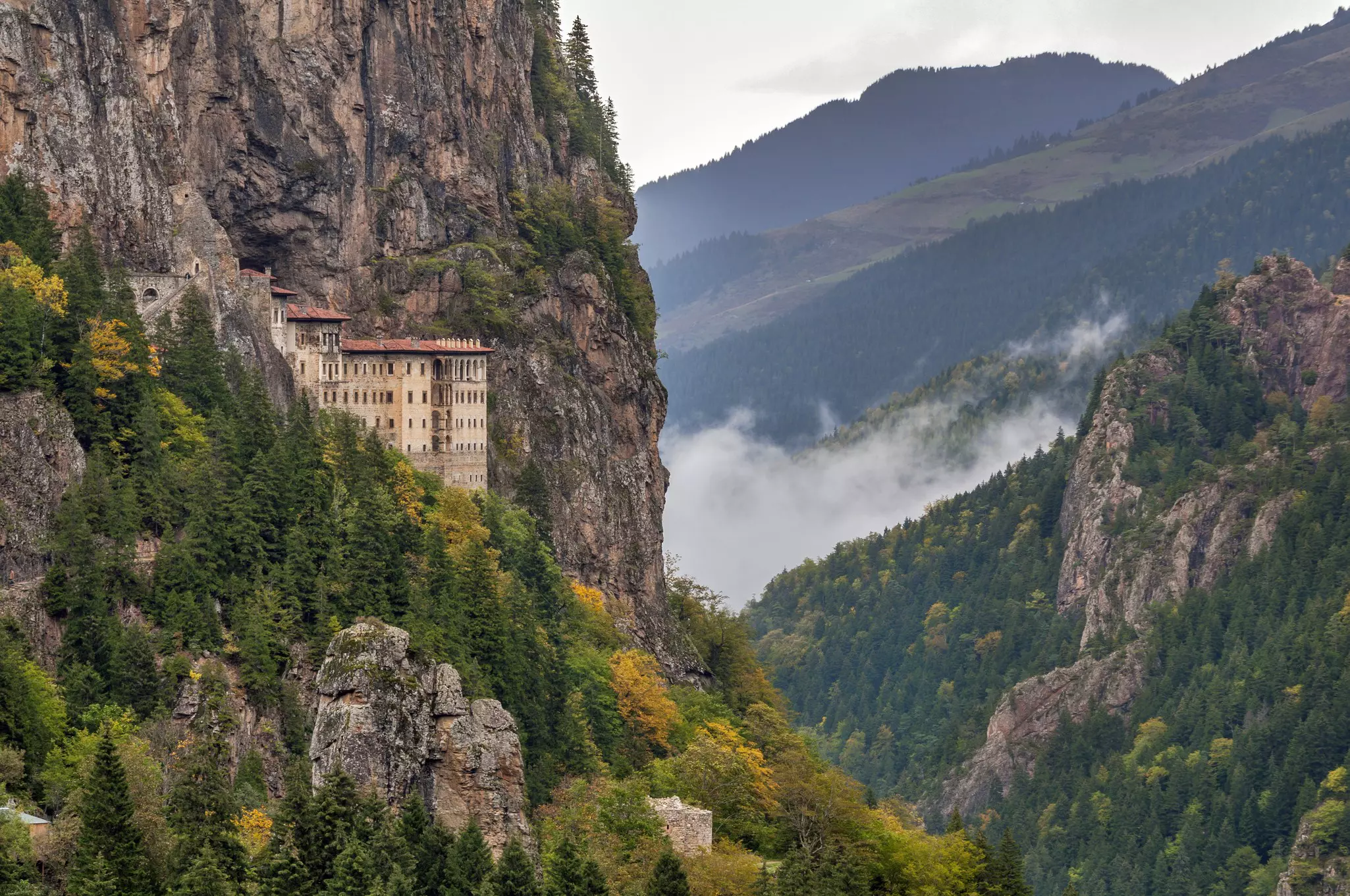
4. The eastern Black Sea and Kaçkar Mountains
Best for rural traditions
The cold and choppy Black Sea is less inviting than the balmy Med, so turn your gaze inland, where lush green valleys spill down to the shore from high peaks, and you'll soon see this area’s appeal. Trabzon, home to the legendary cliffside monastery of Sumela, is the main air hub for a region rich in rural traditions.
Villages at lower elevations produce most of Türkiye's tea and hazelnuts, while the yaylalar (high plateaus) are becoming known to tourists seeking scenic views and a taste of traditional Black Sea culture and cuisine. The tiny village of Pokut is a charming spot to start your explorations.
Higher still are the Kaçkar Mountains, which offer spectacular trekking for experienced hikers in summer and heli-skiing for travelers with the skills and budget in winter.
Planning tip: The warm summer from July to September is the best time to visit if you want to go hiking in the Kaçkar Mountains; trails open when snow clears from the high mountain passes.
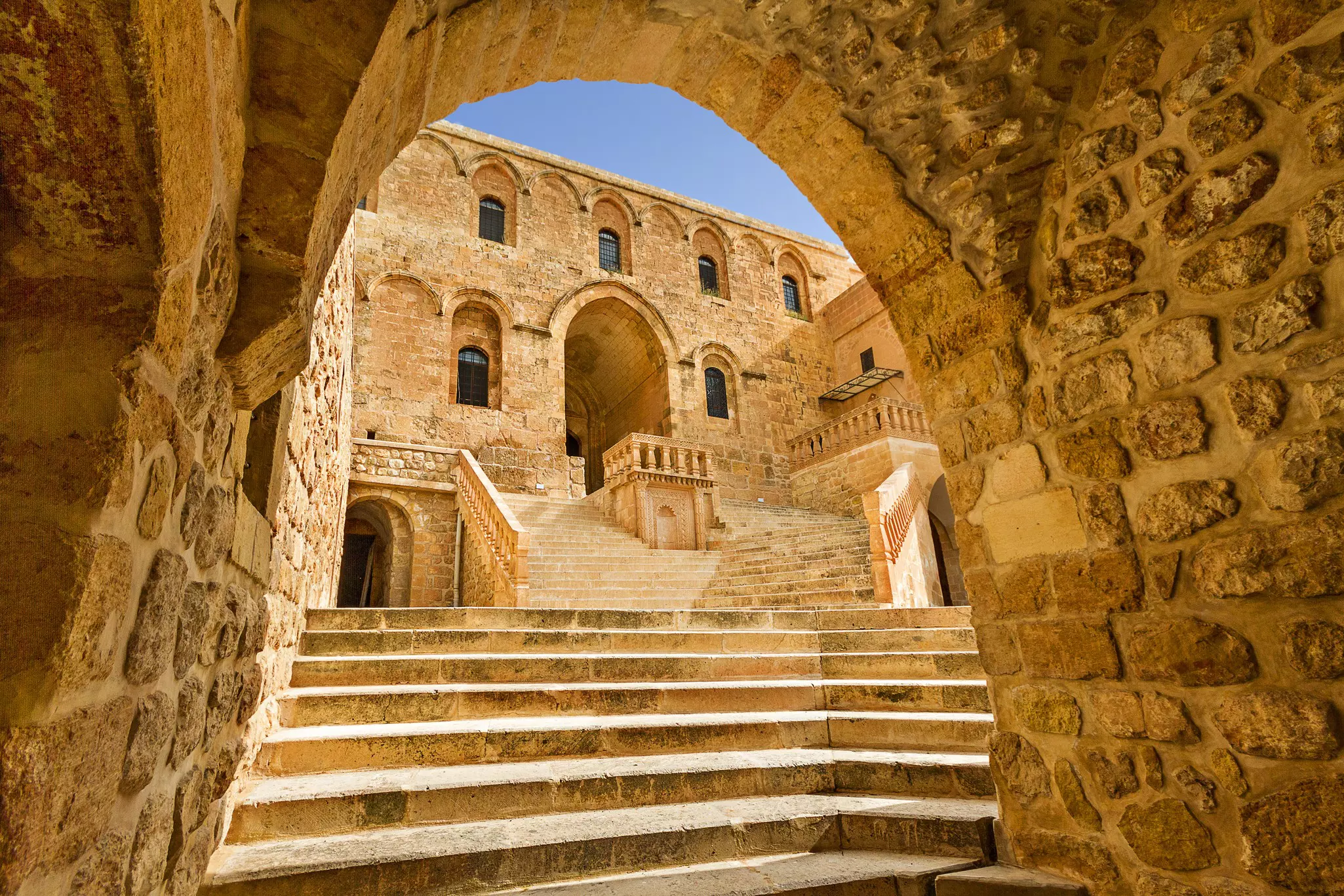
5. Southeastern Anatolia
Best for Turkish culture and food
The often-overlooked region of southeastern Anatolia is one of Türkiye's cultural and culinary stars. The cities of Gaziantep (Antep) and Antakya (Hatay) are famed for their food, and both have interesting museums with incredible collections of Roman mosaics uncovered in the area.
Another great base for exploring the monasteries and Roman ruins in the hills is Mardin, with its picturesque, well-preserved town. The world’s oldest religious site, Göbeklitepe, lies just outside Şanlıurfa, which also has a fine archaeology museum and bazaar.
Planning tip: While buses and shared taxis run to most towns and villages, transportation can be infrequent off the main tourist circuit, so a rented car is the best way to explore.
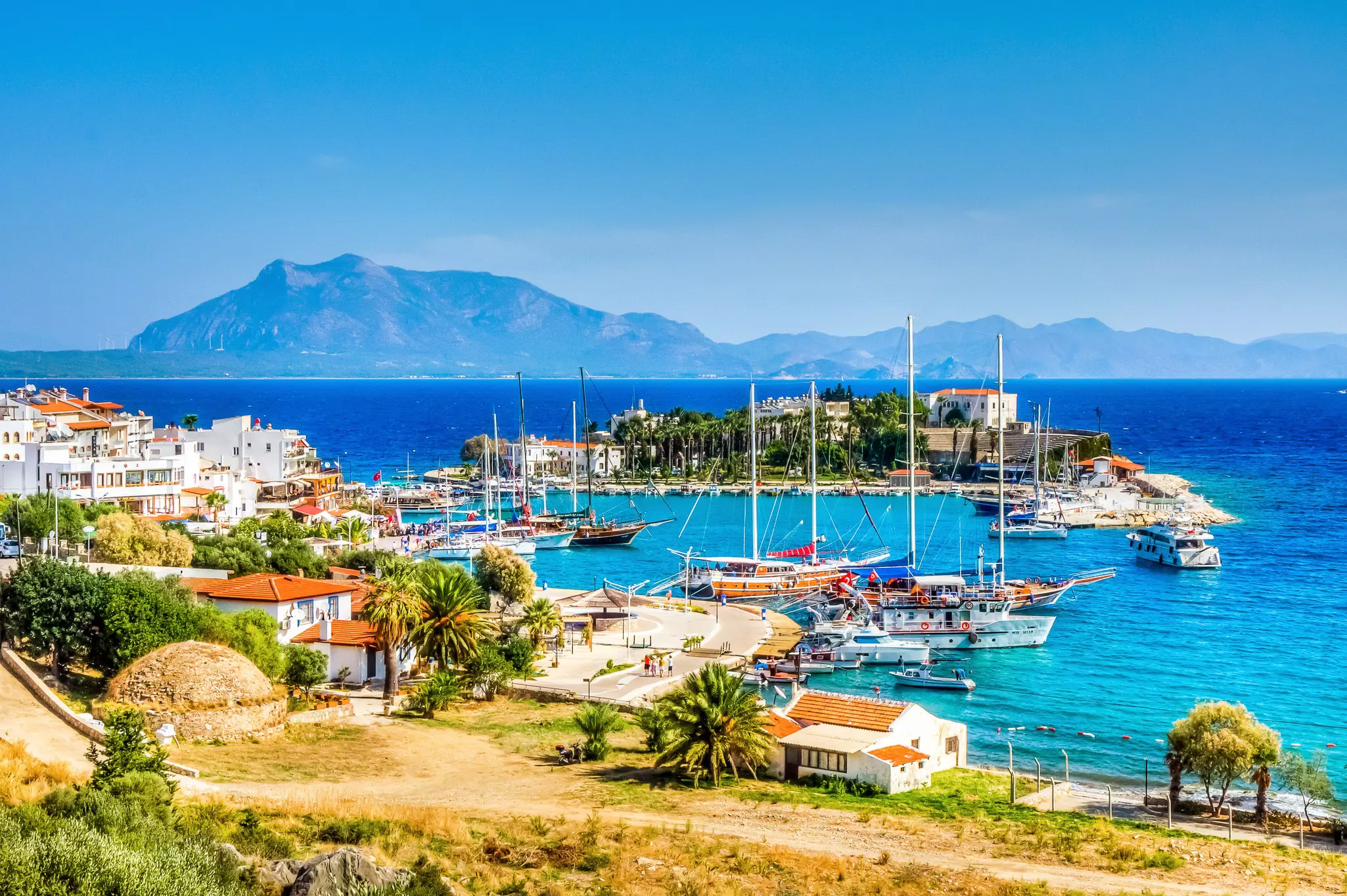
6. Datça and Bozburun
Best for seaside relaxation
Türkiye faces two lovely coastlines, and on the shores of the Aegean, chilling out and getting back to nature is the order of the day. For a laid-back escape, head for the remote Datça and Bozburun Peninsulas. In place of the boisterous nightlife of nearby Bodrum and Marmaris, you’ll find stretches of dramatic rocky coastline, scenic villages and small, quiet beach resorts and seaside towns.
Planning tip: The Carian Trail long-distance path encircles both peninsulas, providing rewarding walking for hikers, particularly in the cooler spring and fall months. Make sure the trail is fully open before setting off, as sections of the route are periodically affected by wildfires during hot summers.
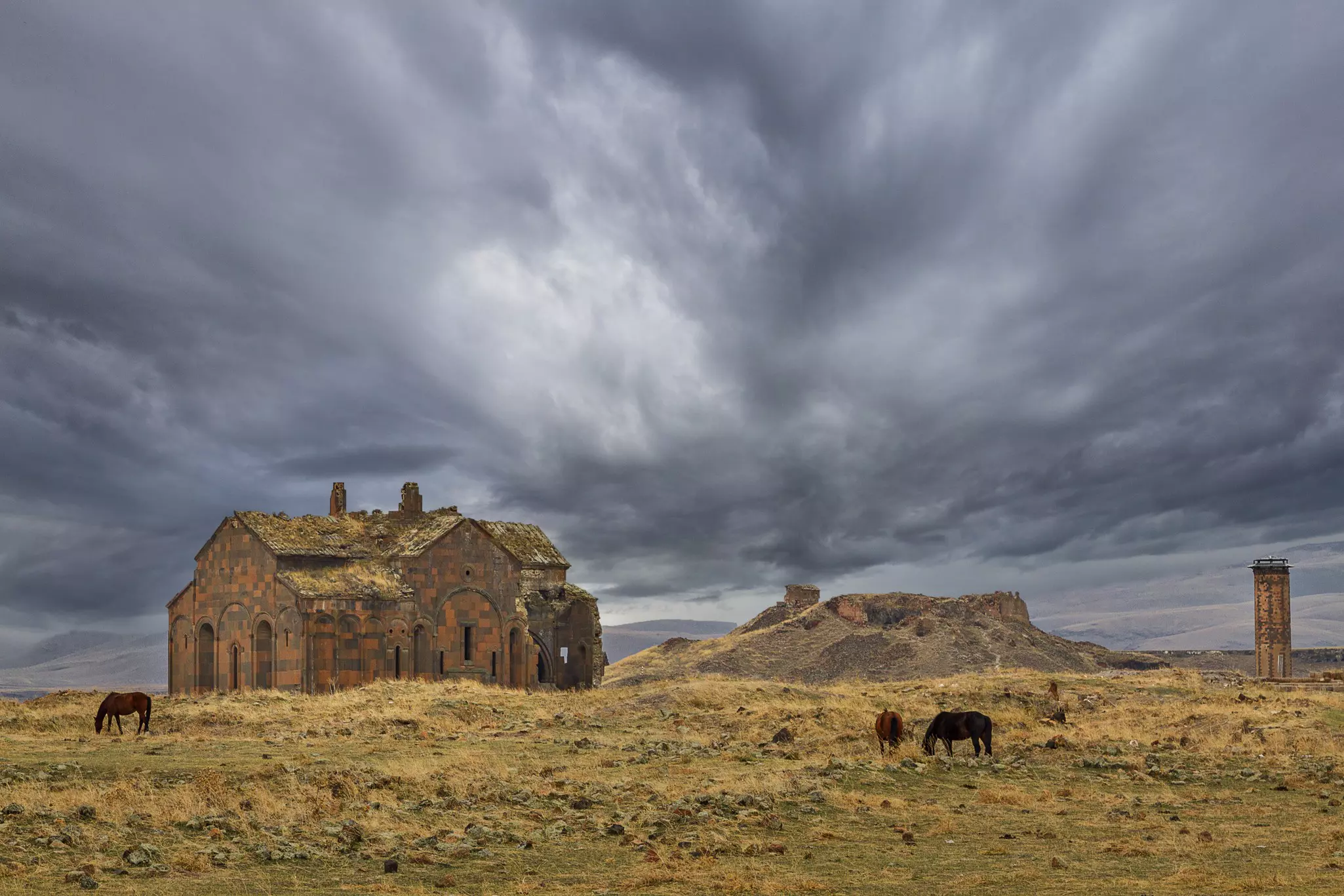
7. Türkiye's far east
Best for rugged beauty
The vast landscapes of Türkiye's far east have a ruggedness that is unmatched elsewhere in the country. The border city of Kars is best known to travelers as the terminus of the Doğu Ekpresi overnight train trip from Ankara, but it's worth pausing to admire the striking architecture left behind from the city's time as a Russian outpost in the 1800s. Nearby are the extensive and evocative UNESCO-listed ruins of Ani, an ancient Armenian capital.
A 3-hour drive south will take you to the remote İshak Paşa Palace, passing by fabled Mt Ararat (Ağrı Dağı) en route. Continue on to Van, where you can fuel up on one of the city’s famously elaborate breakfast spreads before visiting the interesting museum in town and taking a day excursion to Akdamar Kilisesi, a masterfully decorated Armenian church and monastery complex on a small island in Lake Van (Van Gölü).
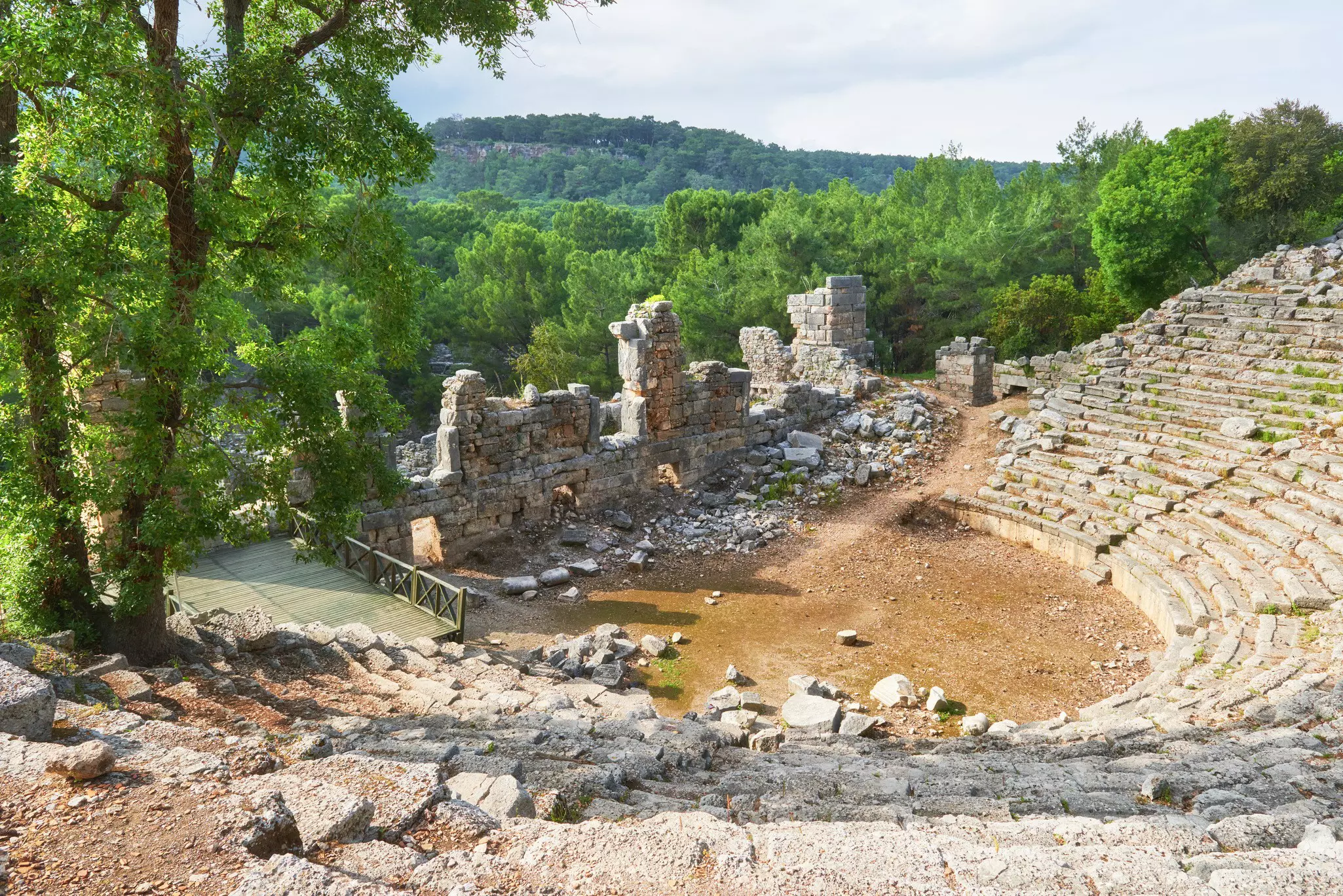
8. Gallipoli and the North Aegean
Best for WWI and ancient Greek history
The northern section of the Aegean coast is steeped in history, some ancient, some recent and raw. Cemeteries devoted to the tens of thousands of soldiers who died in bloody battles on the Gallipoli (Gelibolu) Peninsula during WWI lie scattered around bucolic hills, feeling all the more poignant amid such a serene landscape.
The area is also the gateway to the northern section of Türkiye's Aegean coast, a more relaxed alternative to the resorts along the Turquoise Coast. You can take a leisurely tour of pleasant seaside towns like Ayvalık and Foça, and visit the island wineries of Bozcaada. The region is also home to the ancient ruins of Troy (Truva), which has a standout museum, and the spectacularly sited hilltop acropolis of Bergama.
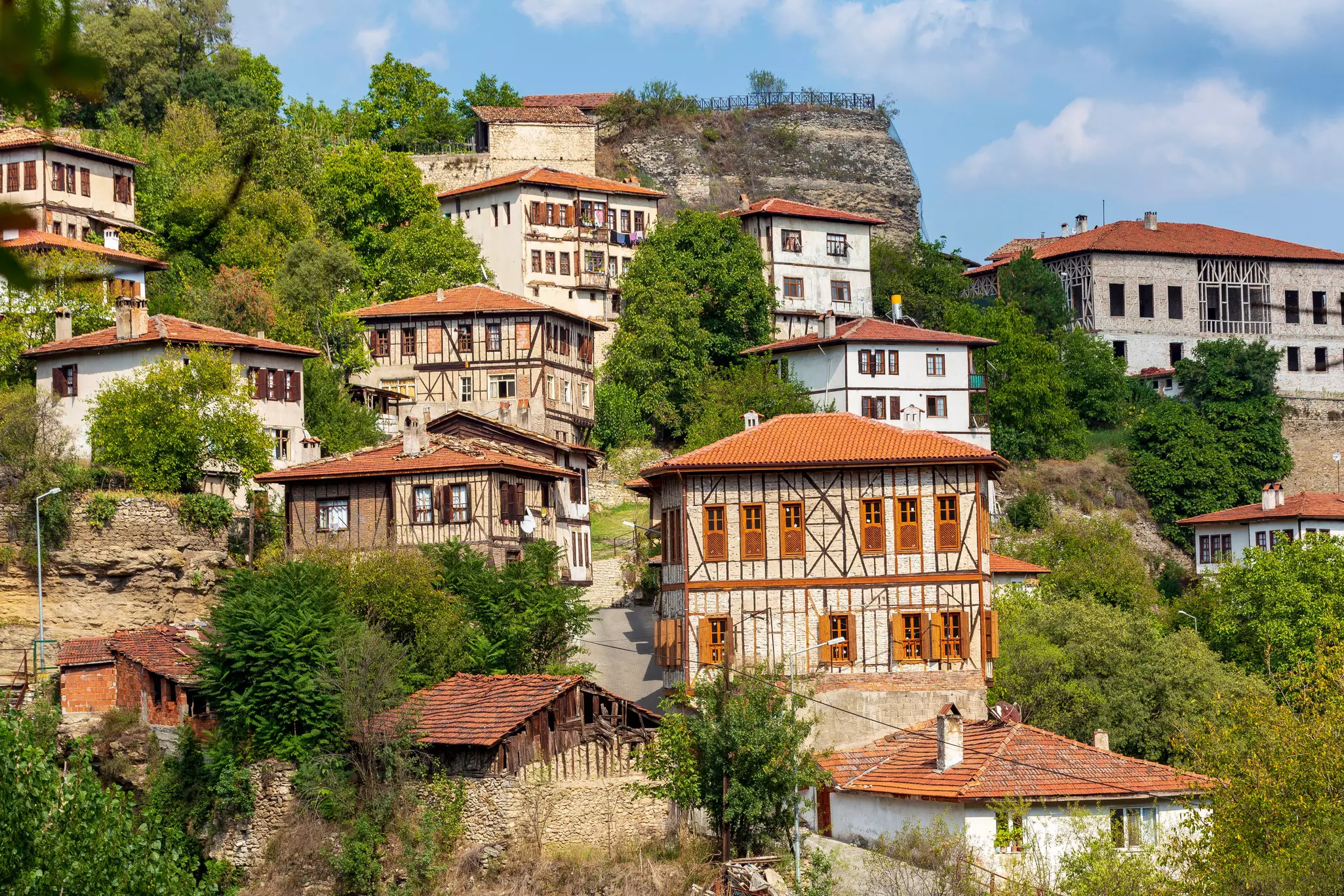
9. Safranbolu
Best for an Ottoman vibe
Named for the precious saffron that was grown and traded here for centuries, today's Safranbolu is popular with visitors who come to soak up its elegant Ottoman atmosphere. Many of the town’s historic wood-framed mansions have been restored to their original 17th-century grandeur and converted into boutique hotels, cafes and restaurants.
Planning tip: If anything, Safronbolu can feel a little too perfect; if you crave a less groomed setting, rugged canyons, waterfalls and woodland trails await nearby in the Yenice Forest.
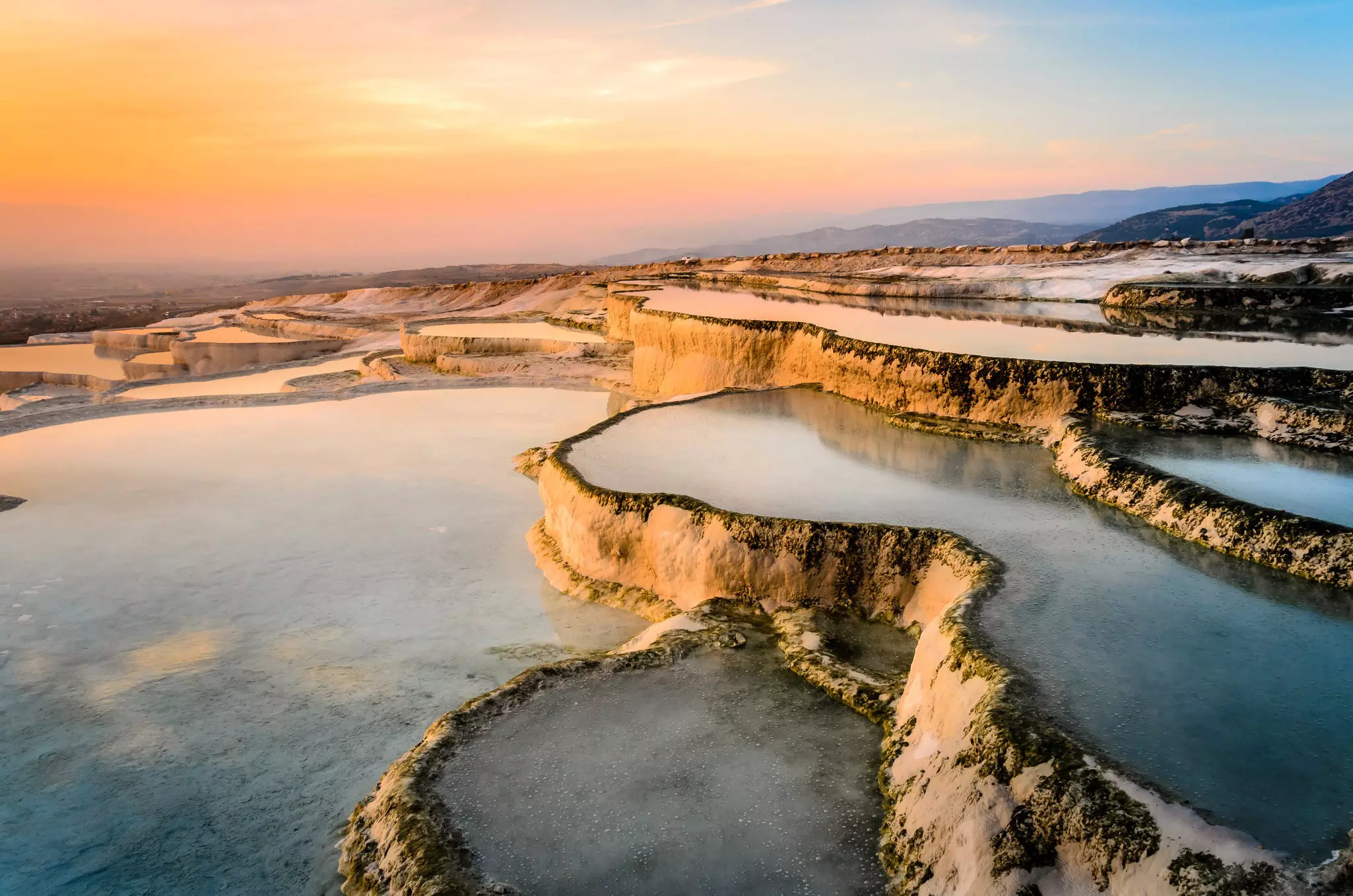
10. Pamukkale
Best for soaking in mineral waters
Created by tricking mineral waters over millennia, the bright white travertines (terraces) at Pamukkale are surely one of the most photographed sites in Türkiye, gleaming incongruously above this rural town like freshly fallen snow. The naturally warm water that flows through the pools was the basis for the ancient spa city of Hierapolis, whose extensive ruins sprawl out along the adjacent hilltop. Now you can enjoy the warm waters at various spa resorts set outside the terraced area.
Planning tip: Pamukkale makes a good base for visiting other ancient sites such as Laodicea, Tripolis and – most notably – the gorgeous ruined city of Afrodisias, with its impressive collection of Roman marble sculptures.
Advertisement
Take your Turkey trip with Lonely Planet Journeys
Time to book that trip to Turkey
Lonely Planet Journeys takes you there with fully customizable trips to top destinations – all crafted by our local experts.