Advertisement

Sailing in Ölüdeniz, Türkiye. muratart/Shutterstock
Whether your ideal vacation involves sunbathing on a Mediterranean beach, hiking in rugged mountains, exploring ancient ruins or learning about a rich culture spanning more than 5000 years, Türkiye will captivate you.
Türkiye serves up a diversity of natural landscapes, from sand-hemmed coves to the snow-capped summit of 5137m Mt Ararat (Ağrı Dağı), alongside energetic cities, tantalizing food and plentiful opportunities for adventure.
You'll never cover everything there is to see and do in just one itinerary, no matter how packed, so whittle down the list using our picks of the best things to do in Türkiye.

1. Tour the ancient city of Ephesus
The well-preserved streets of Ephesus (Efes) offer a fascinating taste of what daily life was like for the ancient Greeks and Romans who inhabited this city for hundreds of years. Alongside grand civic buildings, you can tour the remains of ordinary shops and schools, temples and even public toilets.
Highlights of the site include the intricately carved facade of the Library of Celsus – once the third-largest library in the world, after the libraries at Alexandria and Pergamum – plus a huge open-air theater, a Roman bathhouse and numerous monumental fountains and gateways.
Planning tip: It's worth paying the separate admission fee to view the Terraced Houses, a collection of luxurious residences once occupied by the Roman elite. The interiors are full of mosaics, frescoes and marble worthy of an episode of Lifestyles of the Rich and Famous.

2. Soak in a Turkish bath
In the days when homes lacked indoor plumbing, hamams (bathhouses) played a crucial role in Turkish society, both as a place to get clean and a place to socialize. Today, they’re typically a special occasion treat, visited more often by tourists than locals, but a trip to a hamam is still worth the indulgence.
A visit usually includes a scrub and massage by a same-gender attendant, but you can also opt for a slow, revitalizing steam bath. The interiors of these traditional spas tend to be marble lined and lit by skylights set into a domed roof.
The grandest hamams – such as the Hürrem Sultan Hamamı, Cağaloğlu Hamamı and Kılıç Ali Paşa Hamamı in İstanbul – are a treat for the eyes as well as the body. In the old Ottoman capital of Bursa, hamams such as Eski Kaplıca and Yeni Kaplıca feature pools fed by the area’s natural thermal springs.
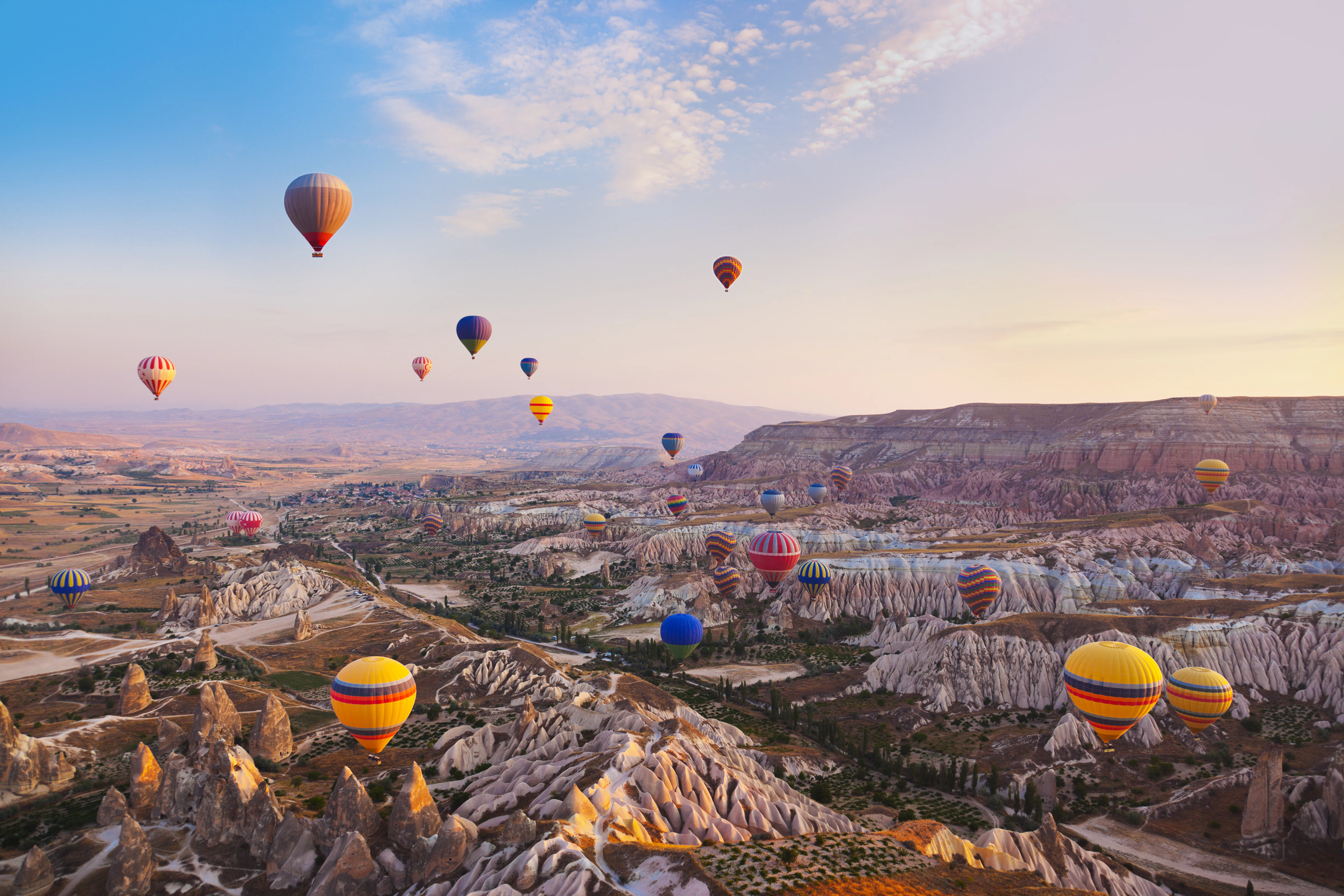
3. See Cappadocia from above and below
First thing in the morning, the skies above Cappadocia (Kapadokya) fill with hot-air balloons that take riders soaring above the area’s canyons, fairy chimneys and other fantastical rock formations. Even if you don’t fancy a flight, the colorful aerial display is something to behold from the ground.
For a more (ahem) down-to-earth experience, follow labyrinthine tunnels many stories below at ancient underground cities such as Derinkuyu and Kaymaklı, where thousands of Byzantine residents took shelter from invaders for months at a time. In addition to living quarters, these subterranean settlements included facilities for housing stable animals, cooking, worshipping and even making wine.
Planning tip: Balloon trips most often leave at sunrise to catch the best light, so be ready for an early start. Book ahead and note that flights can be canceled due to high winds or heavy rain.

Lonely planet’s trusted travel insurance provider
Travel with confidence. Protect your trip and your wallet.
We don’t represent World Nomads, we receive a fee from quotes using this link. This is not a recommendation to buy travel insurance.
4. Feast on a fish meze
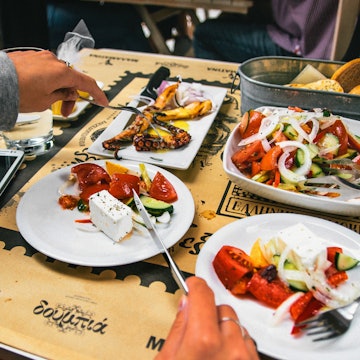
A rakı-balık meal is a quintessential Turkish custom, particularly in İstanbul and along the Aegean and Mediterranean coasts. The name explains this popular dining experience: rakı is a strong anise-flavored liqueur typically mixed with water and ice, and balık is fish. These lavish spreads customarily start with an assortment of meze, which are often the real stars of the show.
Intended for sharing, meze plates creatively combine vegetables, herbs and seafood, usually topped with yogurt or cooked in locally pressed olive oil. If you manage to save room for the main course, popular fish choices include grilled levrek (sea bass) and çipura (sea bream), or lightly fried istavrit (mackerel), barbun (red mullet) and hamsi (anchovies).
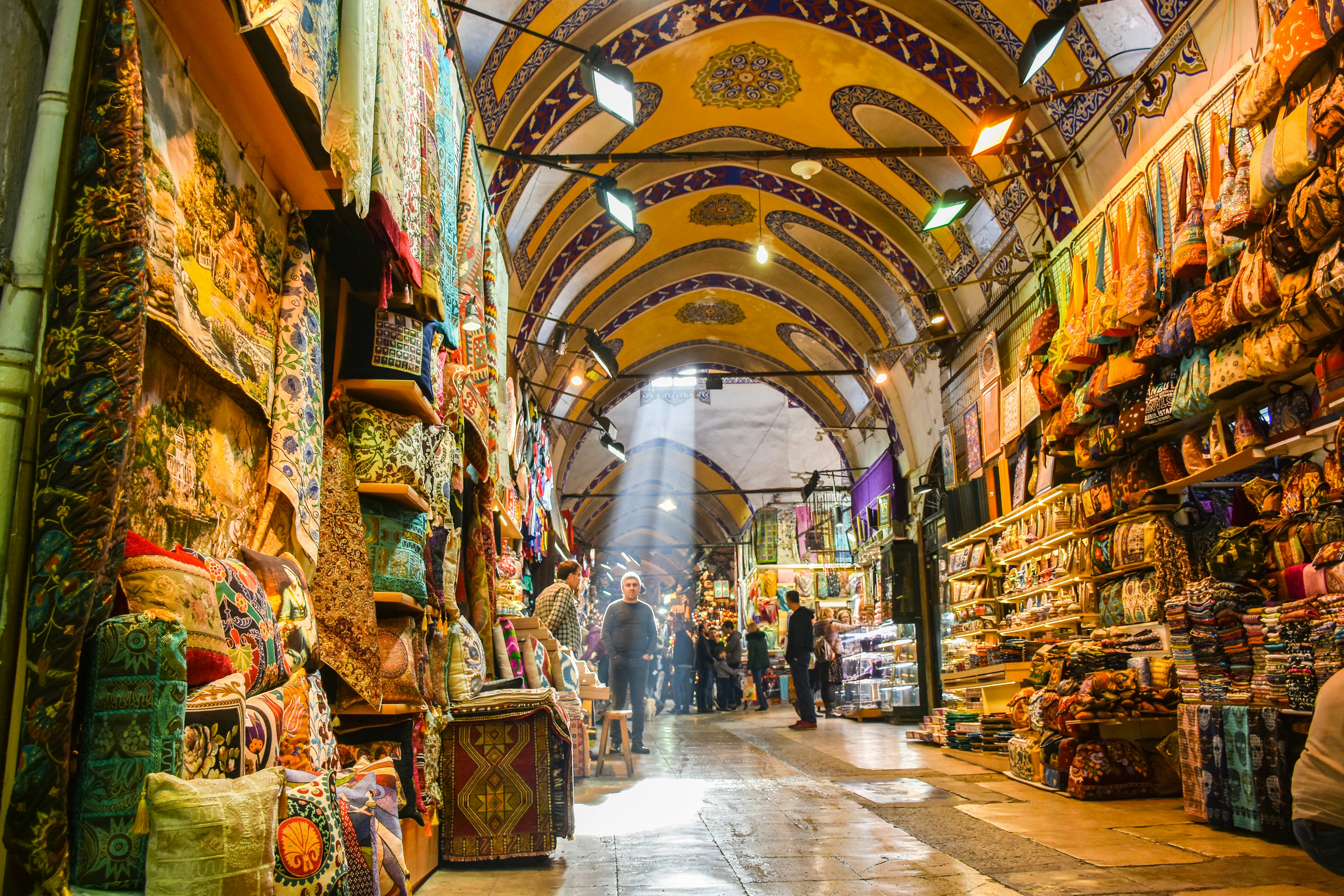
5. Shop in Türkiye's colorful bazaars
Despite the proliferation of modern shopping malls and supermarkets, traditional bazaar culture remains strong in Türkiye. Most historic town centers have at least one çarşı, a mazelike market with vendors selling everything from cheap souvenirs to handmade leather and traditional metal crafts. İstanbul’s Grand Bazaar (known as the Kapalı Çarşı, meaning “covered marketplace”) is one of the world's most famous markets, but the bazaars in Gaziantep (Antep) and Şanlıurfa are arguably more atmospheric and authentic.
Equally important to local life is the pazar, an open-air bazaar for fresh seasonal fruits and vegetables, food products, clothing and household goods. Depending on the town or city neighborhood, these markets might be set up in the street under rigged-up tarps, in an emptied parking lot or garage, or in a purpose-built hall.
Held in different areas on set days of the week, these markets are cheap and lively places to buy staples and seasonal fruit and veg, and discover which ingredients the locals use in their kitchens at home.
Planning tip: Bring an appetite – at a larger pazar, such as the weekly market in the resort town of Fethiye, stalls sell gözleme (stuffed flatbreads) and other tasty dishes to sate hungry shoppers.

6. Cruise turquoise waters on a gület
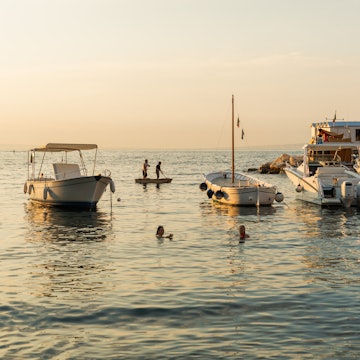
Few experiences are more relaxing than a multiday cruise aboard a gület (traditional wooden yacht), plying the vivid blue waters of Türkiye’s southwestern coastline between Bodrum and Antalya. You can while away long, sunny days swimming in secluded coves, reading or playing tavla (backgammon) on deck, eating fresh-caught fish, drinking rakı as the sun sets and sleeping out under the stars.
If you get tired of blissfully lazing around, you can always hop ashore along the way. Interesting stops include the ancient ruins of Knidos, the dramatic Crusader Castle in Kaleköy and Kaş, with its cool cafes.
Planning tip: Gület holidays are easy to arrange with international tour companies, but you can also book day trips and longer cruises locally in resorts such as Bodrum, Antalya and Dalaman.
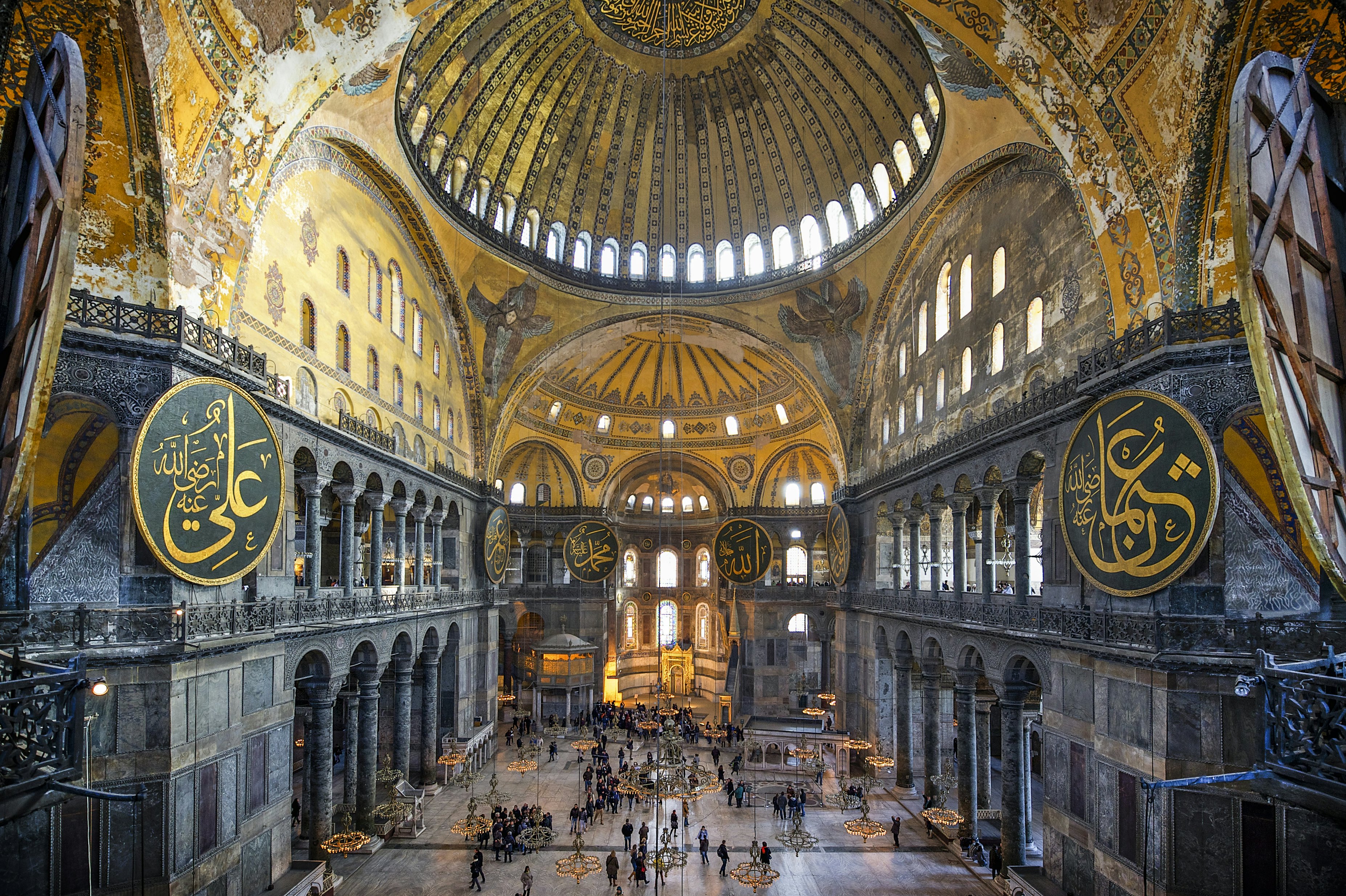
7. Admire architectural splendor in İstanbul
The rulers of the city once known as Byzantium and Constantinople left their mark on İstanbul. The soaring dome of the Hagia Sophia still leaves visitors awestruck a millennium and a half after its construction, while the towering Aqueduct of Valens and the vast subterranean Basilica Cistern attest to the impressive engineering know-how that the Romans used to supply the ancient city with drinking water.
With a prime position overlooking the confluence of the Bosphorus, Golden Horn and Marmara Sea, the legendary Topkapı Palace evokes the might of the Ottoman Empire at its peak, with lavishly decorated royal apartments, a treasury dripping with jewels and a kitchen that could feed 4000 people.
İstanbul’s minaret-studded skyline was a gift from the Ottomans as well. The architecturally refined Blue Mosque gets the most attention, but visitors shouldn’t miss the tiny, tile-bedecked Rüstem Paşa Mosque and the graceful Süleymaniye Mosque, perched atop one of the old city’s seven hills. History buffs can dig into the different cultural eras in İstanbul by exploring its best museums.

8. Hike the Lycian Way
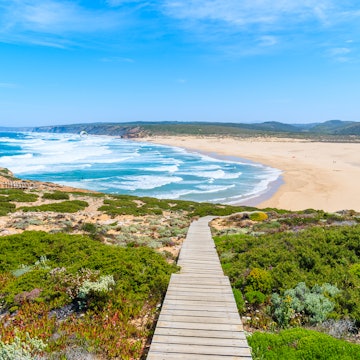
For a more active way to traverse the Turquoise Coast, consider hiking a section of the Lycian Way, a long-distance trekking path stretching 540km from Fethiye to Antalya. The best time to walk it is in spring or fall; the sometimes challenging trail winds along spectacular coastal cliffs, through bucolic villages and beach towns, past ancient ruins and up into the mountains in the hinterland.
Most sections of the trail offer accommodations in small pensions as well as places to stop and camp. Highlights along the way include the secluded valley of Kabak, the long sandy beach at Patara, the massive rock tombs of Myra, the ruins of ancient Olympos and the Chimaera (meaning “Burning Rock”) at Çıralı.
Planning tip: If you want to see more of Türkiye's incredible landscape on foot and escape the crowded tourist spots, extend your trip and spend some time in the country's stunning array of national parks.

9. See incredible ancient mosaics
Tiny cubes of colored glass, ceramic or stone were used during the Greek, Roman and Byzantine eras to make amazingly detailed tableaux depicting mythological tales, heroic battles and lavish banquets. Later Byzantine mosaics created shimmering visions of the saints on the domes of medieval Christian churches.
Splendidly preserved examples can be seen on the floors of grand palaces and villas at ancient sites, but some of the most impressive mosaics are displayed in museums, including Gaziantep's Zeugma Mosaic Museum, the archaeology museum in Antakya (Hatay) and Haleplibahçe Mosaic Museum in Şanlıurfa.
Planning tip: Don't overlook the mosaics inside Türkiye's Byzantine basilicas – those inside the Hagia Sophia and Kariye Mosque in İstanbul are particularly spectacular.

10. Linger over a leisurely Turkish breakfast
It’s hard to think of a better way to fuel up for a big day of sightseeing than with a Turkish breakfast spread (serpme kahvaltı), a fabulous fusion of sweet and savory. Start with the nibbles: olives, cheese, sliced tomatoes and cucumbers, and perhaps a slice of sucuk (beef sausage) and some spicy pepper paste along with your eggs.
Next, satisfy your sweet tooth with pastries, homemade jams and a decadent swirl of honey and thick cream (kaymak). Different parts of the country have their own additions. Sample fresh herbs along the Aegean coast, cornmeal cooked with melted butter and cheese (called mıhlama or kuymak) in the Black Sea region, and fermented cheese and hot peppers in Antakya. Endless small glasses of sweet black tea are served as standard.
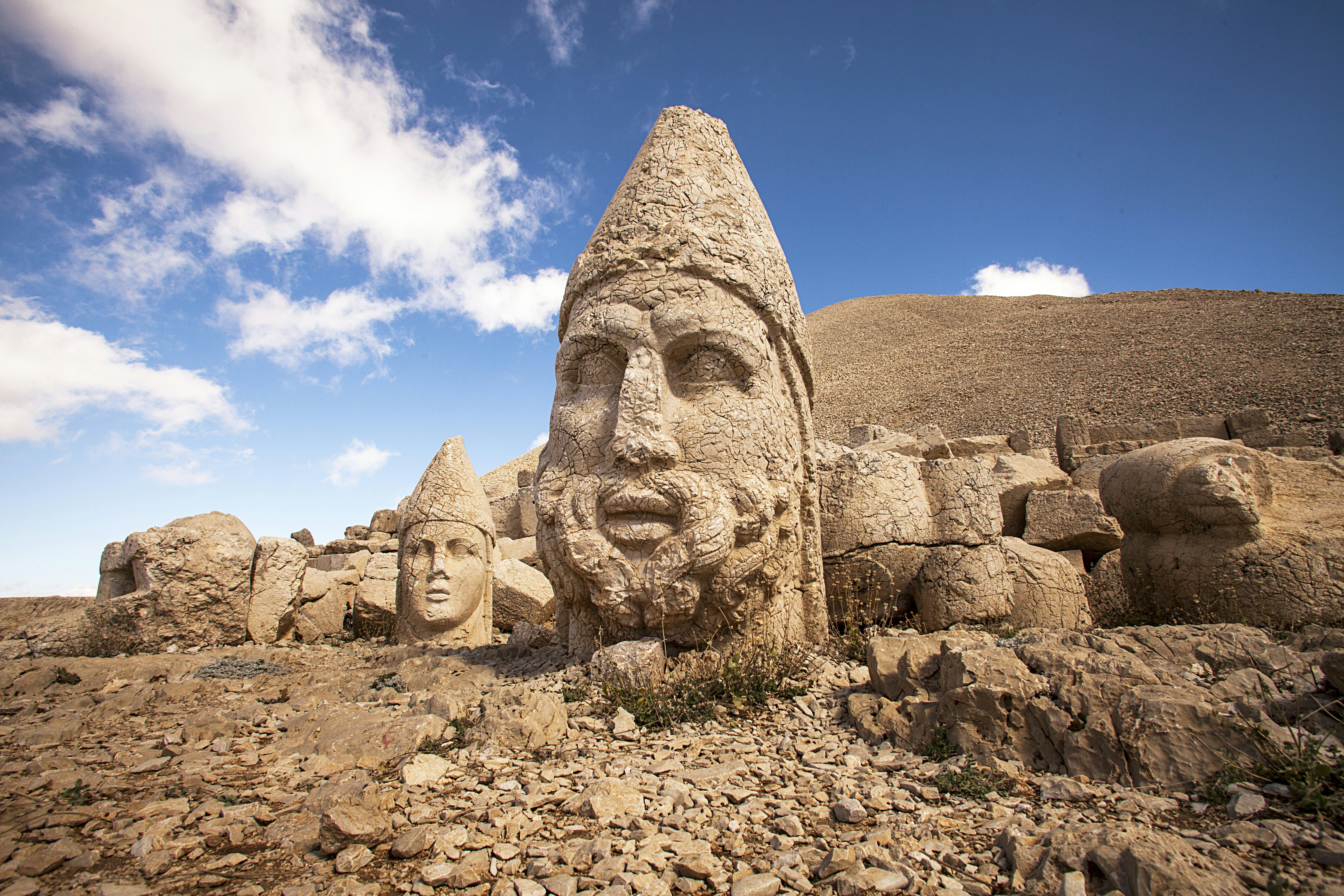
11. Watch the sunrise from atop Nemrut Dağı
The surreal sight waiting at the summit of Nemrut Dağı (Mt Nemrut) is a testament to both the extent of the power that can be wielded by one ruler and to its inevitable decline. In the 1st century BCE, the Hellenistic king Antiochus I of Commagene had massive statues of deities, mythic beasts and other figures erected on top of a rocky peak as a monument to his own greatness. Earthquakes over the centuries toppled the heads of these statues from their bodies, and they now sit scattered around a stark, remote landscape – a reminder of how even the mighty both metaphorically and quite literally fall.
Planning tip: Tour groups typically bring visitors to the ruins at sunrise or sunset, but if you stay overnight at one of the simple lodgings set below the summit, you can experience both.

12. Imagine the beginnings of human civilization
Türkiye is home to some of the world’s most important Neolithic sites, which are still yielding insights and raising new questions about how humans lived more than 10,000 years ago. In the center of the country near Konya, the excavations at Çatalhöyük have provided clues about early “urban” life, when people started to transition from a nomadic lifestyle to living in settled agrarian communities.
In the southeast, outside of Şanlıurfa, the findings at the ritual complex of Göbekli Tepe – thought to be the world’s first place of worship – have transformed our understanding of when humans began to develop religious beliefs and practices.
Advertisement
Take your Turkey trip with Lonely Planet Journeys
Time to book that trip to Turkey
Lonely Planet Journeys takes you there with fully customizable trips to top destinations – all crafted by our local experts.