Advertisement

The exterior of the Boston Tea Party Museum in Boston, Massachusetts. Jon Bilous/Shutterstock
Whether you want to gain a new perspective on American history, explore unusual art venues or eat your weight in cannolis, Massachusetts is ready for you. From the bustling energy of Boston to the quaint charm of its coastal and mountain towns, there’s no shortage of things to do and see.
The Bay State is home to iconic landmarks like Fenway Park and the Freedom Trail, as well the stunning beaches of Cape Cod and the tree-blanketed Berkshires. Whether you’re looking to dive deep into history, enjoy the great outdoors or uncover the state’s whimsical side, here are 21 fun things to do in Massachusetts.
1. Dump tea into Boston Harbor
Boston, the most-visited city in Massachusetts, has no shortage of things to do. If you had to pick just one, though, how about reliving a famous moment in history? It’s a fun way to dive into the city’s rich past. The renowned Boston Tea Party helped pave the way to the American Revolutionary War – and nothing showcases this history quite like the Boston Tea Party Ships & Museum. This in-person, interactive must-visit historical site allows visitors to adopt a historic persona, engage in heated debates and shout “Huzzah!” as they join the Sons of Liberty in storming ships and hoisting crates of tea overboard.

2. See amazing contemporary art at MASS MoCA
Set in 26 buildings on 19 acres, this extraordinary contemporary-art museum occupies the former site of the Sprague Electric Company in the Berkshires town of North Adams. The sprawling post-industrial campus has brick facades, football field-sized rooms, open-air courtyards, hidden passageways, covered viaducts and other nooks and crannies. And every one of them is filled with art – bold, bizarre, eyebrow-raising, head-scratching, mind-boggling art, all frequently refreshed via rotating exhibitions.
Planning tip: For a brilliant immersive experience, walk through Sol LeWitt’s Wall Drawing Retrospective, which occupies nearly one acre of wall space all by itself.
Advertisement

3. Treat yourself to cannoli in Boston’s North End
The North End is a little slice of the old country in the heart of Boston. Dining out in the North End is a delightful and delicious experience – only most restaurants don’t serve dessert.
That’s because they can’t top the sweets on offer at local bakeries. Light and crispy on the outside, sweet and creamy on the inside, cannolis are sheer perfection in a pastry – and a North End specialty.
Where’s the best place to go for cannoli in the North End? The famous Italian bakeries are on Hanover St, though Bova’s Bakery on Salem St serves equally scrumptious cannolis without the mile-long lines.

4. Watch for whales at Stellwagen Bank
There’s nothing like the thrill of seeing a majestic whale launch its massive body out of the water or flip its tail as if saying hello. These types of sightings are (almost) guaranteed on a cruise to the offshore Stellwagen Bank, one of the world’s richest feeding grounds for marine mammals and birds.
Cruises depart from Gloucester, Plymouth, Provincetown and Boston. Common sightings include humpback, minke and fin whales, as well as dolphins, sharks and seals.

5. Ogle old-master paintings at the Gardner Museum
Isabella Stewart Gardner was a 19th-century socialite, a patron of the arts and a lover of the Boston Red Sox. Today, the unrivaled collection of art she amassed is on display at a Venetian-style palazzo just off the Back Bay Fens.
From rare books to ancient Roman objects to Italian Renaissance paintings, over 7500 pieces of art dazzle visitors. Watching over it all is Gardner herself, via a captivating portrait by John Singer Sargent hanging in the Gothic Room. If you close your eyes, it’s easy to imagine the salons and soirées that took place here back in the day.
The interior courtyard – bursting with seasonal blooms, ancient Roman sculptures and mosaics – is worth the price of admission (20 US dollars (US$)) in itself. The museum was also the site of one of the world’s most brazen – and still unsolved – art heists, in 1990: look out for the empty frames that still hang in the missing paintings’ place.
Planning tip: The museum hosts a Weekend Concert Series in its on-site performance space, Calderwood Hall. The unique venue offers a perfect view no matter where you're sitting.

6. Summit the cliffs at Quincy Quarries
This former granite quarry is now a sort of unofficial, experiential outdoor art studio and rock-climbing center. Vibrant paintings cover every cliff – personal tags, political rants and murals wacky and whimsical, their colors exploding off the dull gray granite facades.
The place has an offbeat, unkempt beauty that may not appeal to everyone. Rock climbers in particular have mixed feelings about the graffiti (which makes the granite extra slick), though the quarry is still a popular spot to rope up, with dozens of climbing routes around the grounds. An epic view of the Boston skyline awaits if you make it to the summit.

7. Catch a Red Sox game at Fenway Park
The oldest ballpark in Major League Baseball, Fenway has been the scene of countless triumphs and tragedies since 1912. It’s the home of the Boston Red Sox, a team that inspires unrivaled passion in their fan base. The scene isn’t always pretty – but it’s pure, unfiltered Boston. If you can’t get tickets to a game, the on-site Bleacher Bar (with a limited view onto center field) is the next best thing.
Planning tip: Baseball super fans can book one of a variety of behind-the-scenes tours of the park to gain further insight into this iconic sporting arena.
8. Discover the street art in Salem
The Point (or El Punto) is a predominately Latinx neighborhood only a few blocks from Salem’s historic center. In recent years, the streets have transformed into a unique Salem attraction: the Punto Urban Museum, an open-air art exhibition with more than 75 murals on the neighborhood’s brick walls, painted by artists from around the world.
Advertisement
The paintings immortalize Latinx heroes, elevate cultural themes and comment on socioeconomic inequities. And they also enrich the neighborhood with their color, texture, detail and vibrancy.

9. Learn about Indigenous culture at the Plimoth Patuxet Museums
The town of Plymouth on the South Shore is typically known as the site of an early English settlement – but the native Wampanoag people have inhabited the region for over 12,000 years, with the Patuxet resident in the 17th century. The Plimoth Patuxet Museums, formerly called Plimoth Plantation, explore both these histories.
At Historic Patuxet, you can visit a wetu (Wampanoag house), study the craftsmanship of a dugout canoe and observe how food was grown and cooked before the English colonists arrived.
10. Eat fried clams on the North Shore
The fried clam is one of the state’s iconic foods, with crispy breading on the outside, tender bivalve on the inside – and tasty all around.
The North Shore is the place to sample this delicacy: it was invented here, and the clams harvested in Essex and Ipswich are consistently sweet and succulent. Sample them at Woodman’s of Essex (the original), at JT Farnham’s overlooking the salt marsh, or at the Clam Box, a restaurant that actually looks like...a clam box.

11. Cycle through the dunes along Cape Cod National Seashore
Stretching along the outer edge of the Outer Cape, Cape Cod National Seashore is 40 miles of utter paradise. Pristine beaches, sand dunes, pine forests and kettle ponds with a few lighthouses for effect make any trip here one you’ll remember forever. Some of the best beaches in Massachusetts, including Marconi Beach in Wellfleet, known for its dramatic cliffs, are located here.
It’s impossible to see it all in one visit, but the Province Lands bike trail offers an excellent sampler along a surprisingly rigorous 5.45-mile loop – one of Cape Cod’s top activities.
Planning tip: On a hot day, end your ride at wild and wonderful Race Point Beach to cool off in the waves.

12. Spy on seals in Chatham
It’s not unusual to glimpse a sweet, whiskered face peeking out of the waters near Cape Cod, which is home to some 50,000 gray and harbor seals. If you want a guaranteed sighting, take a boat trip out to Monomoy Island, where you’ll see the creatures bobbing in the water or lounging on the beach.
During mating season (especially September and October), the sheer number of bodies astounds, with the long, narrow beach packed with hundreds of seals piled on top of each other like anchovies in a tin.
Alternatively, you can usually spot seals from the observation deck at the Chatham Pier Fish Market (which is also a fantastic place for a lobster roll lunch).
Local tip: No matter how cute you think these seals are, remember they are wild animals. Always maintain a safe distance.
13. Get lost in the stacks at Montague Bookmill
On a wooded country road along the banks of the Sawmill River on the edge of the micro-town of Montague is a bibliophile’s bliss. The unexpectedly rich and locally beloved Montague Bookmill is a place to get lost for hours.
The c 1842 building retains the rustic atmosphere of the grist mill it was for nearly a century. Today, it contains tens of thousands of volumes in a maze of stacks and shelves, with plenty of comfy chairs and sunny corners to curl up with your treasures.
With coffee available next door at the Lady Killigrew Café, this place is pretty much perfect.

14. Behold the dramatic colors of the Aquinnah Cliffs
It’s hard to outdo the red-clay cliffs at the western end of Martha’s Vineyard, both for their sheer natural splendor and their geology, which is unique in Massachusetts.
Rising 150ft from the ocean, this dramatic glacial formation is a stunner, especially when it reflects rich jewel tones in the late-afternoon sun. Expect gorgeous views – and surprisingly few crowds – at Gay Head public beach.
15. Catch some of the world’s best artists at a Berkshire summer festival
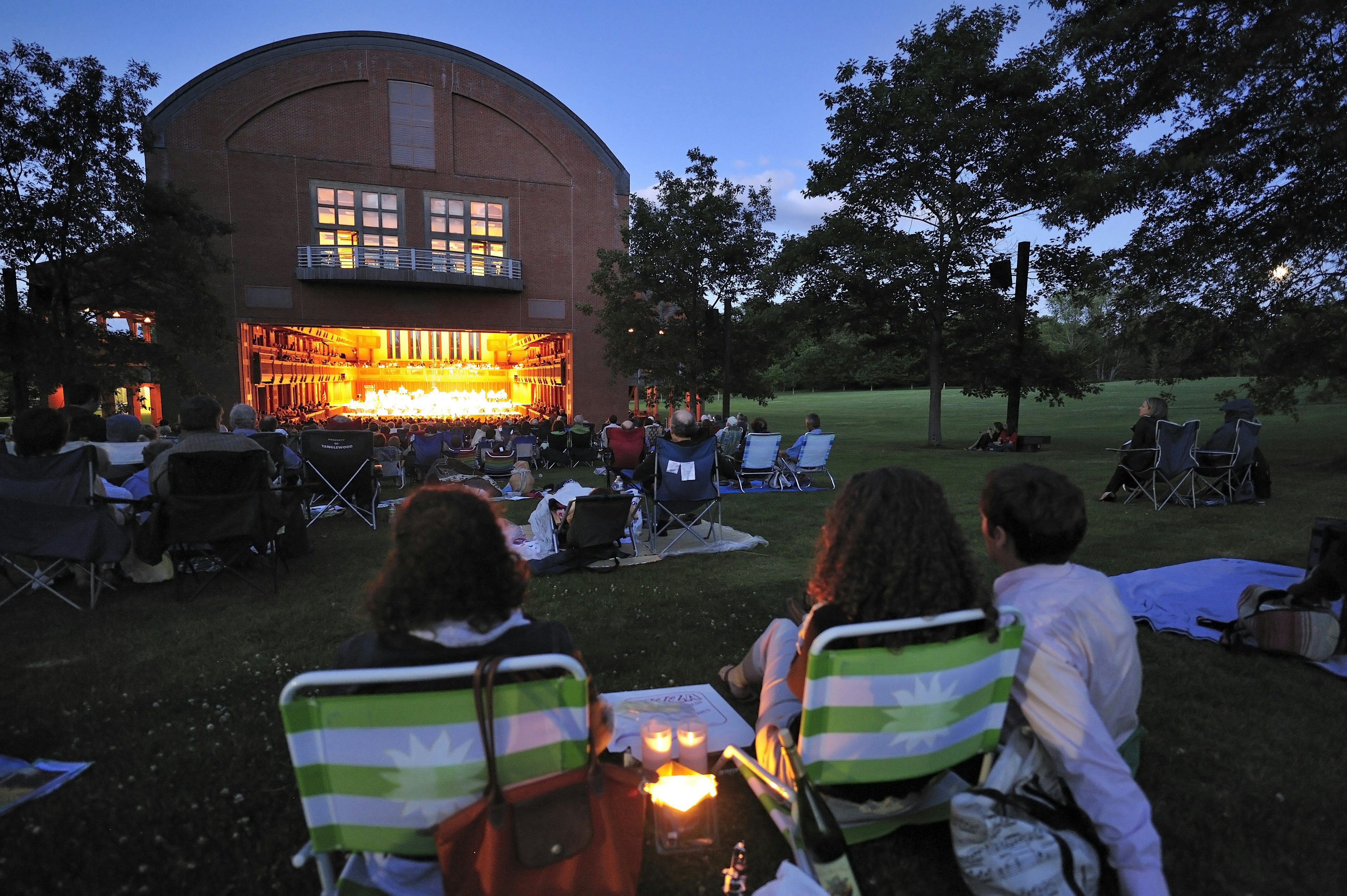
Whether you’re into live music, theater or dance, you can get your cultural fix amid the Berkshires’ forest-covered hills and under star-filled skies. Massachusetts’ western mountain region has been an artistic hub ever since the Gilded Age elite came from New York and Boston to spend their summers amid the greenery.
No longer as exclusive, it’s now a lovely region for packing a picnic, spreading a blanket and listening to live music at Tanglewood – the summer home of the Boston Symphony Orchestra and an essential stop for classical music lovers. The venue also hosts world-class performances of all kinds, including those by the Boston Pops Orchestra, and music events like the Jazz Festival in September and the Festival of Contemporary Music in early August. Bring a blanket and picnic and enjoy the live music in the open air during the summer season.
Planning tip: The Boston Pops spend July 4th in Boston playing a free outdoor performance on the Charles River at the Hatch Memorial Shell that wows, coordinating the “1812 Overture” to the fireworks finale. If you plan to brave the crowds, choose your viewing spot wisely. Great seats at the concert don’t necessarily mean clear views of the fireworks, and vice versa.
16. Pick (and eat) your own apples amid the fall foliage
Apple picking is the perfect way to get your fix of stunning fall foliage and crispy, local produce. In September and October, apple orchards around the state lure families with hay rides, hedge mazes and other farm animals.
Others forgo these extras: Bartlett’s Orchard in Richmond only has trees, yielding a dozen varieties of apples (the local favorite: tart, juicy McIntosh). But the surrounding Berkshire hills – dressed up in extravagant yellows, oranges and reds – make Bartlett’s one of the top places in Massachusetts to take in the splendor.
Planning tip: A word to the wise: no matter where you get your apples, do not pass on apple-cider donuts, an autumn rite of passage each year.

17. Raise a toast to freedom at Faneuil Hall
As one of Boston’s most historically significant buildings, Faneuil Hall has served as a marketplace and meeting hall since 1743. Today it’s part of the Boston National Historical Park. It played a pivotal role in the American Revolution, with prominent figures like Samuel Adams gathering here and using it as a platform to rally for Freedom. Visit the 2nd floor to hear about the building’s history from National Park Service (NPS) rangers.
On Faneuil Hall’s lower level, the Boston Slavery Exhibit confronts the city’s role in the trade of enslaved people, beginning in the 1620s when the English enslaved Native American people. In 1638, the first ship transporting enslaved Africans docked in Boston, and by the 1760s, more than 17,000 enslaved Black people had arrived in New England. The exhibits share these people's stories and their lives in the Boston area.
In 1826, a new market was constructed behind Faneuil Hall, named for Mayor Josiah Quincy. The North Market and South Market buildings on either side of Quincy Market were completed the following year and together comprise the incredibly popular complex of shops and food stalls known collectively since the 1970s as Faneuil Hall Marketplace.

18. Celebrate whimsy at the Amazing World of Dr Seuss Museum
Located in the hometown of Theodor Seuss Geisel, aka Dr. Seuss, the Amazing World of Dr Seuss Museum in Springfield is a whimsical, family-friendly attraction that brings the beloved works of the author to life. From “The Cat in the Hat” to “Green Eggs and Ham,” visitors of all ages can explore interactive displays, view original artwork and learn about the life and legacy of Dr Seuss. It’s a fun, educational and colorful experience for kids, but also works for Seuss fans of all ages.
Planning tip: You can enjoy free admission on the first Wednesday of the month. If you can’t make it that day, it will cost US$25 per adult to visit and US$13 per child. Kids under three go free.

19. Climb to new heights at the Pilgrim Monument and Provincetown Museum
For a sweeping view, visit the Pilgrim Monument and Provincetown Museum on Cape Cod. The monument, which stands 253ft tall, commemorates the Pilgrims’ first landing in 1620. Climb the 116 stairs to the top for panoramic views that are worth the effort.
The adjacent museum offers exhibits on the Pilgrims, as well as Provincetown’s rich maritime history, and its role as a space for artists and the LGBTQ+ community. In fact, it’s where one of the largest and most celebrated gay pride events in the country takes place every June. In August, visit for the colorful Carnival Week, filled with parades, costumes, street performances and themed parties. It’s a party-like atmosphere drawing tens of thousands each year.
Planning tip: The Pilgrim Monument doesn't have an elevator to the top and isn't accessible to those with mobility issues.
20. Set sail for adventure at Gloucester Harborwalk
If you ever watched the film The Perfect Storm, the based-on-true-events blockbuster starring George Clooney and Mark Walhberg, you've already had a glimpse into Gloucester’s maritime heritage. This fishing town located on Massachusetts' other cape, Cape Ann, is one of the oldest fishing ports in the US. Take a stroll along the Gloucester Harborwalk, which will guide you through the town’s art installations and historical markers that tell its rich tale. Along the way, you can visit the Fishermen’s Memorial statue and wall which pays tribute to the thousands of fishermen lost at sea over the years, including the six crew of the Andrea Gail depicted in the movie.
From this perch, you can also watch fishing boats return with their daily catch, before heading to one of the local restaurants serving those local scores, such as the Seaport Grille, which is famous for its lobster pie and clam chowder.
Advertisement
Take your United States (USA) trip with Lonely Planet Journeys
Time to book that trip to United States (USA)
Lonely Planet Journeys takes you there with fully customizable trips to top destinations – all crafted by our local experts.