Advertisement

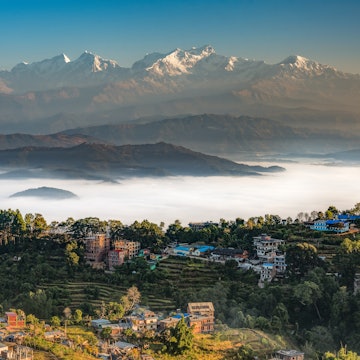
Morning in Nepal. traumlichtfabrik/Getty Images
Nepal is a budget traveler's dream escape.
From independent backpackers solo-hiking Annapurna to luxury safari tent lodges in Chitwan and Bardia National Parks, Nepal offers travelers far more experiences on any given budget than in most popular tourism destinations. Kathmandu has had a strong budget-travel scene since the Hippie Trail era of the 1970s, and in the years since, this has expanded to include cities and trekking routes all across the country.
Advertisement
While prices are no longer quite what they were in the '70s, Nepal is not expensive, and there’s plenty of value tucked into these budget tips.
1. Aim for the shoulder seasons: February/March and September/October
The busiest seasons for tourism in Nepal are mid-October into late November and late March through April; prices go up for accommodation across the country during this period, and on popular trekking routes it can be difficult to show up and find a room as lodges sometimes book out completely. Visit just outside of these periods in one of two shoulder seasons, however, and expect far fewer visitors and lower prices across the country. In towns, this might mean a 20–30% discount on mid-range hotels and guesthouses, while in the mountains it will often mean free charging or wi-fi negotiated as part of your room price. The tradeoff is occasional rainy days, but of course, your legs need a rest day at some point.
2. Walk away from Kathmandu airport
You came to Nepal for walking, right? Taxis at Kathmandu airport often quote laughably high prices to arriving travelers. Walk approx 80m (260ft) down from the airport building to Ring Rd, where you can expect more normal taxi rates. To get to the popular Thamel neighborhood, expect to pay roughly Rs 600, or catch public transport to your destination in the city. If that’s not appealing, contact your hotel in advance, as many arrange fixed-price or even complimentary transfers for guests staying multiple nights.

3. Get around town with Pathao and InDrive
Even better than hailing a taxi on the street, download the Pathao or InDrive mobile ride-hailing apps to get taxis at local prices. Pathao works well in Kathmandu, while outside of the valley, InDrive is by far the more reliable choice.
Advertisement
4. Get out of Thamel to eat and sleep
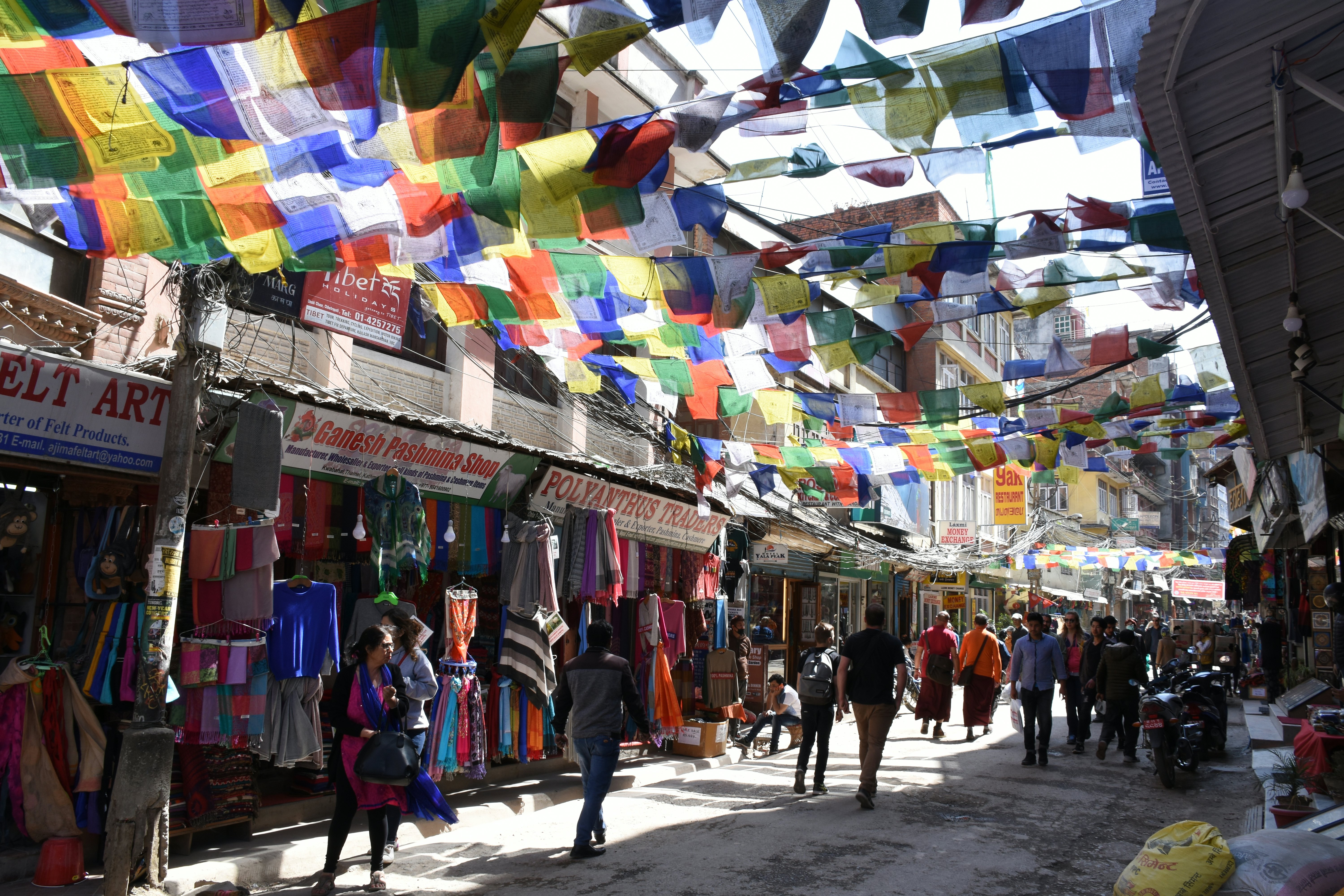
Thamel is arguably the most convenient area of Kathmandu for travelers who need to stock up for long treks, arrange tours or guides, or want restaurants catering to foreign cuisines and palates. However, this also means prices are higher in the neighborhood than at comparable venues elsewhere in the city. The edges of Thamel are easy places to look for good-value accommodation – some up to 20% less than more central locations. For dining, you’ll find better value (if certainly less variety) elsewhere in the city.

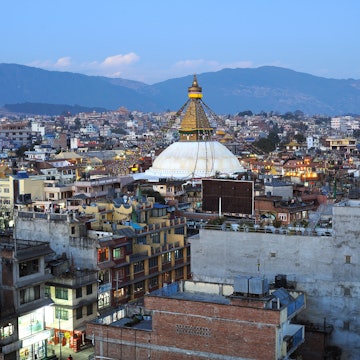
5. Consider Boudhanath as an alternate base
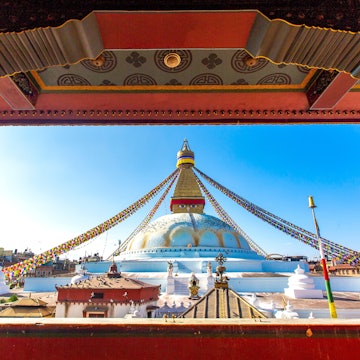
While certainly still a touristy area, the neighborhood immediately surrounding Boudhanath Stupa is a great alternative to Thamel with affordable accommodation and food, and a much more relaxed vibe. Expect to be dodging crowds of pilgrims rather than rickshaws, and waking up to Buddhist chants far more often than car horns. It’s also very convenient to the airport; the area makes a good base for a few relaxing days in the city at the end of a trip.
6. Extend tickets to Kathmandu Valley’s major tourist sites
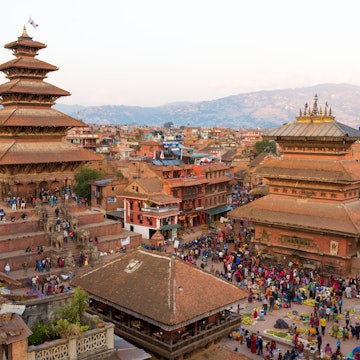
Boudhanath, Patan Durbar, Kathmandu Durbar and historic Bhaktapur are rightfully some of the most popular cultural attractions in Nepal. Ticket prices range from US$3 in Boudhanath to US$15 at Bhaktapur, but what many tourists don’t realize is that you can get any of these extended on-site for reuse (mostly for one week, though Kathmandu Durbar is valid until the expiration of your tourist visa). You’ll need your passport to extend any of them, and, at Kathmandu Durbar, you'll need passport photos as well.

7. Eat local – especially when trekking
There’s a large price gap between international and Nepali fare, not only when comparing restaurants in places like Kathmandu and Pokhara, but also when choosing between dishes in high mountain trekking lodges. In the mountains, dal bhat (a mixed plate of stewed lentil and steamed rice) is the best value around – and with all-you-can-eat refills of lentils and rice, it’s the ideal way to refuel after a long day of walking.
8. Book the tourist bus instead of the local
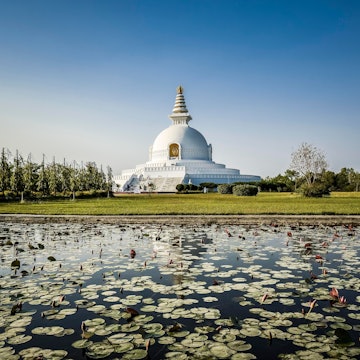
While not the cheapest option available, the many tourist buses that depart each morning for Pokhara, Chitwan and Lumbini consistently offer more comfortable and faster trips for just a few dollars more than the local option. By hour six or seven you may still be cursing yourself for not taking that domestic flight, but when you calculate the money saved in terms of momos (dumplings) to be eaten, it’ll all seem worth it.

9. Find a trek at your skill level, and do it unguided
The most popular treks in Nepal are along well-defined and busy paths, so hikers with a firm grasp on the fundamental skills of trekking in mountainous terrain can be reasonably confident of managing the journey without a guide. This is not to say you should go solo – a risky proposition at any skill level – but know your own limits in the outdoors and select a trek based on those limits.
10. If you go guided, arrange it once you arrive to Nepal
Whether for safety concerns, cultural insights, or just ease of planning, many tourists do prefer to hike with a local guide in Nepal. If that’s you, and if you’re not on a tight schedule, consider waiting until you actually arrive to make arrangements. Tour agents in the cities can advise on suitable trekking routes based on hiking experience and personal preferences, as can independent guides themselves (though always ask about qualifications), and you’ll save a good chunk of money by cutting resellers out of the process. If you find a guide you get along well with, keep their contact info handy for future trips or to pass to friends, as most are freelancers and can happily arrange tours independent of booking agencies.

11. Rent gear for short treks
Similarly, if you intend to do a short trek as part of a longer itinerary and don’t want to travel with a full load of trekking gear, or just don’t trek much in general and don’t own the necessary kit, rent equipment once you arrive in Nepal. Expect to spend around Rs 100 per day for a jacket or bag, most reliably available in the touristy areas of Kathmandu and Pokhara.
Daily costs in Nepal
Hostel bed: from 400 Nepali rupees (Rs 400)
Basic room for two: from Rs 1500
Public bus Kathmandu to Pokhara: from Rs 800
Tourist bus Kathmandu to Pokhara: from Rs 1300
Espresso-based coffee: from Rs 200
Plate of momo (dumplings): from Rs 130
Fancy dinner for two: from Rs 3300–6500
Dal bhat (traditional Nepali dish of lentils and rice) at a mountain lodge: from Rs 400–850
Craft beer at a Kathmandu bar: from Rs 400
Average daily cost: from Rs 2000–6700
Average cost to travel in Nepal for 2 weeks: Rs 28,000–94,000
Advertisement
Take your Nepal trip with Lonely Planet Journeys
Time to book that trip to Nepal
Lonely Planet Journeys takes you there with fully customizable trips to top destinations – all crafted by our local experts.