Advertisement

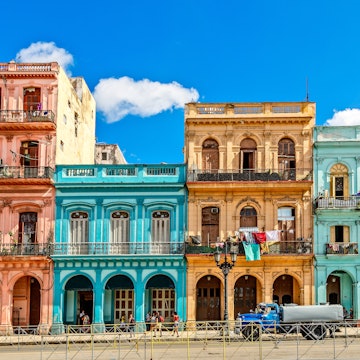
Oranjestad, Aruba. Nancy Pauwels/Shutterstock
Coastal cacti collide with white sand beaches and turquoise tides in Aruba. This tiny Caribbean nation sits just 15 miles off the coast of Venezuela, and its proximity to the equator means that weather is pretty much the same year-round. It even avoids, for the most part, the dreaded hurricane season the Norther Caribbean faces.
Advertisement
What changes the experience on Aruba is when travelers tend to visit. US travelers, for example, love flying down for winter sun. European and South American travelers tend to flock to the beaches in the summer. But there are plenty of activities in this exotic wonderland, no matter when you book your trip.

Mid-December to mid-April is the best time for beach lovers
Unlike many Caribbean nations, weather does not play a major factor in Aruba’s peak season. Instead, the season is dependent on cold weather in North America.
Aruba’s capital city, Oranjestad, will be bustling during high season. Expect to pay top dollar for lodging, dining and experiences from mid-December to mid-April. During high season, hotels on the island’s most popular beaches, Eagle Beach and Palm Beach, can inch towards 1800 Aruban florin per night at the most exclusive spots. Reservations are recommended several months in advance.

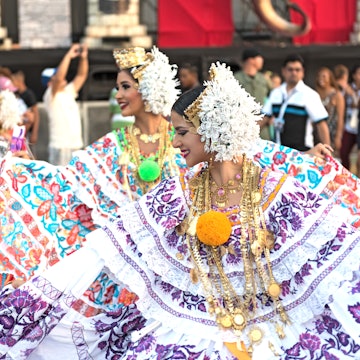
The highlight of January, Carnival brings parades and revelry to the streets of Oranjestad and San Nicolas. Enjoy vivid costumes and copious calypso as people from across the 70-mile long island come together to celebrate.
Advertisement
Carnival’s crown jewel? The Tivoli Lighting Parade, where twinkling lights shimmer from floats and costumes through the tropical night.

Mid-April to August is the best time for a diverse crowd
The sweet spot for savings and social life occurs from late spring to late summer in Aruba. Warmer temperatures in the US and Canada mean fewer flights from North America.
Expect lodging rates to dip 20–30% during shoulder season and look for a more diverse crowd of visitors, particularly Europeans taking advantage of summer vacations and South Americans flying north from their winter.
Tourists from the US will likely still make up the majority of the crowd this time of year, but lower rates and a climate that still benefits from a daily breeze make Aruba an attractive option for a wide range of travelers no matter the conditions at home. And there's plenty of places to visit and explore.

In May or June, wind- and kite-surfers descend upon the island from around the world to compete in the Hi-Winds Tournament within sight of the opulent resorts of Palm Beach. It makes for excellent people-watching.
Note that the southern Caribbean is typically less threatened by Atlantic hurricanes than the northern Caribbean. Though it is possible for hurricanes to take atypical trajectories and skirt or even affect Aruba, the nation remains one of the surest bets to catch pleasant weather in the Caribbean during peak storm season – usually from early summer to fall.
September to mid-December is the best time for budget travelers
The cheapest time to visit Aruba is in autumn. Trade winds keeping visitors cool in Aruba’s desert landscape fade in September.
Deep discounts on lodging, sometimes as much as 50% less than winter highs, can make Aruba a relative bargain this time of year. September can also be the best time to visit Aruba for snorkeling, thanks to lighter winds that can keep surface waves at bay. And, though tour operators will often reduce the number of outings per week, you may find yourself in a smaller group and waiting in fewer lines than you might during peak season.
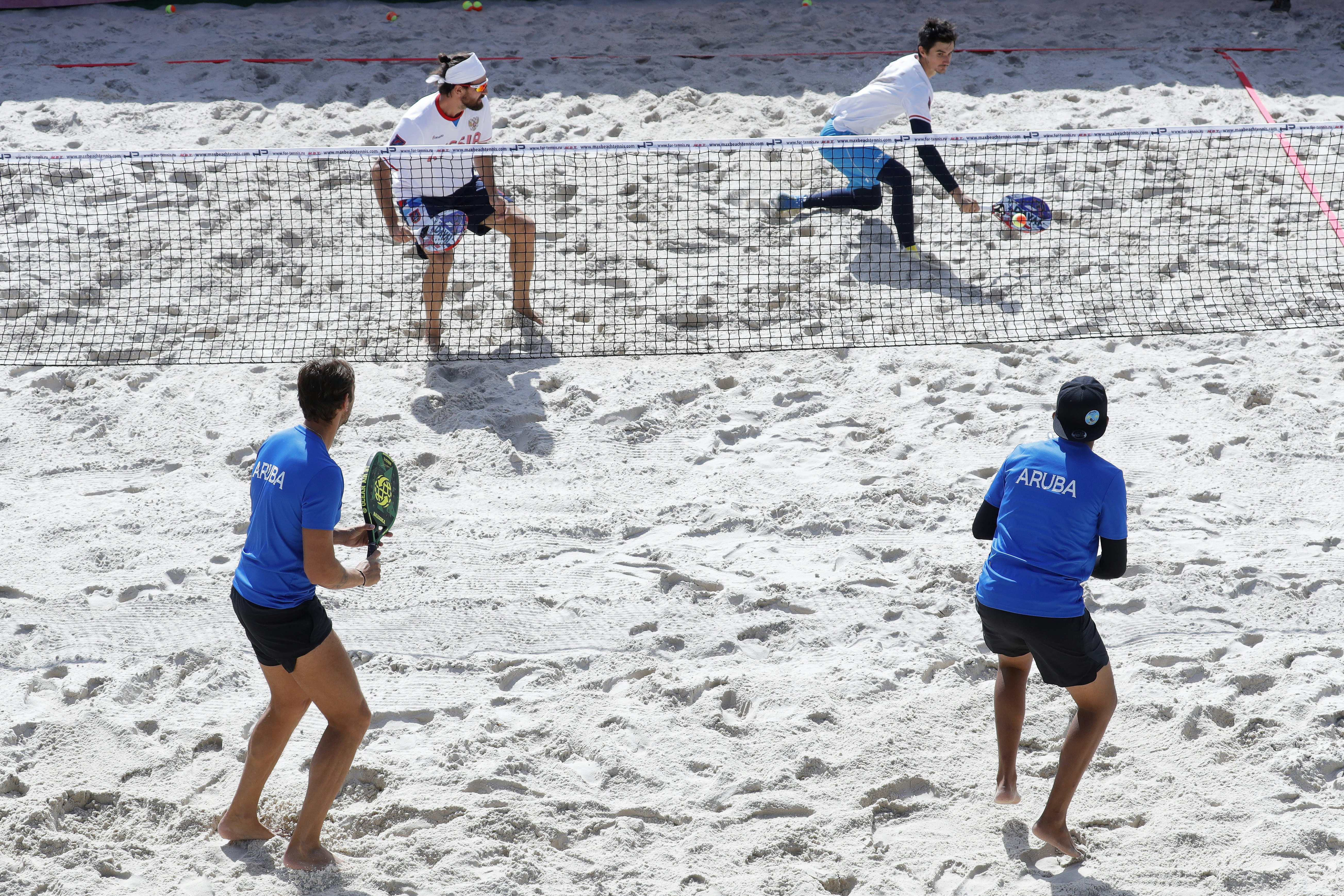
Each November, the Aruba Beach Tennis Open combines serves and sand into a casual sporty atmosphere. Far from the buttoned-up stands of Wimbledon, Aruba’s beach tennis championships replace racquets with paddles and polos for board shorts and bikini bottoms.
Advertisement