Advertisement

Road trips in Egypt range from coastal jaunts to dramatic desert drives. Sun_Shine/Shutterstock
With vast expanses of empty desert and glittering coastlines to explore, Egypt is an amazing destination for a road trip. Whether you follow the River Nile through the country’s green heartland, set out across the Western Desert, or weave through the rugged mountains of the Sinai Peninsula, it’s easy to make the journey the destination in this land of pyramids, dunes and coral seas.
In Egypt, all roads fan out from Cairo, and the city’s tangled traffic system provides a hectic beginning to many road trips. If the capital is your first stop, it makes sense to explore the city by public transport before renting a vehicle when you’re ready to see the rest of the country. Alternatively, begin from a quieter start point, such as Hurghada or Sharm El Sheikh.
Self-drive car rentals are available on arrival, but driving in Egypt can be challenging. It’s easy – and perhaps preferable – to charter a vehicle with a driver for a higher cost. The good news is that even a short drive in Egypt will reveal views of landscapes that have changed only marginally since the time of the pharaohs.
So fill the tank, prep your favorite playlist and get ready for a cross-country adventure with these top road trips in Egypt.
1. Circle the Sinai Peninsula
Best road trip for mountain scenery
Advertisement
Start/finish: Cairo/Nuweiba
Approximate distance: 647km; allow 5 days
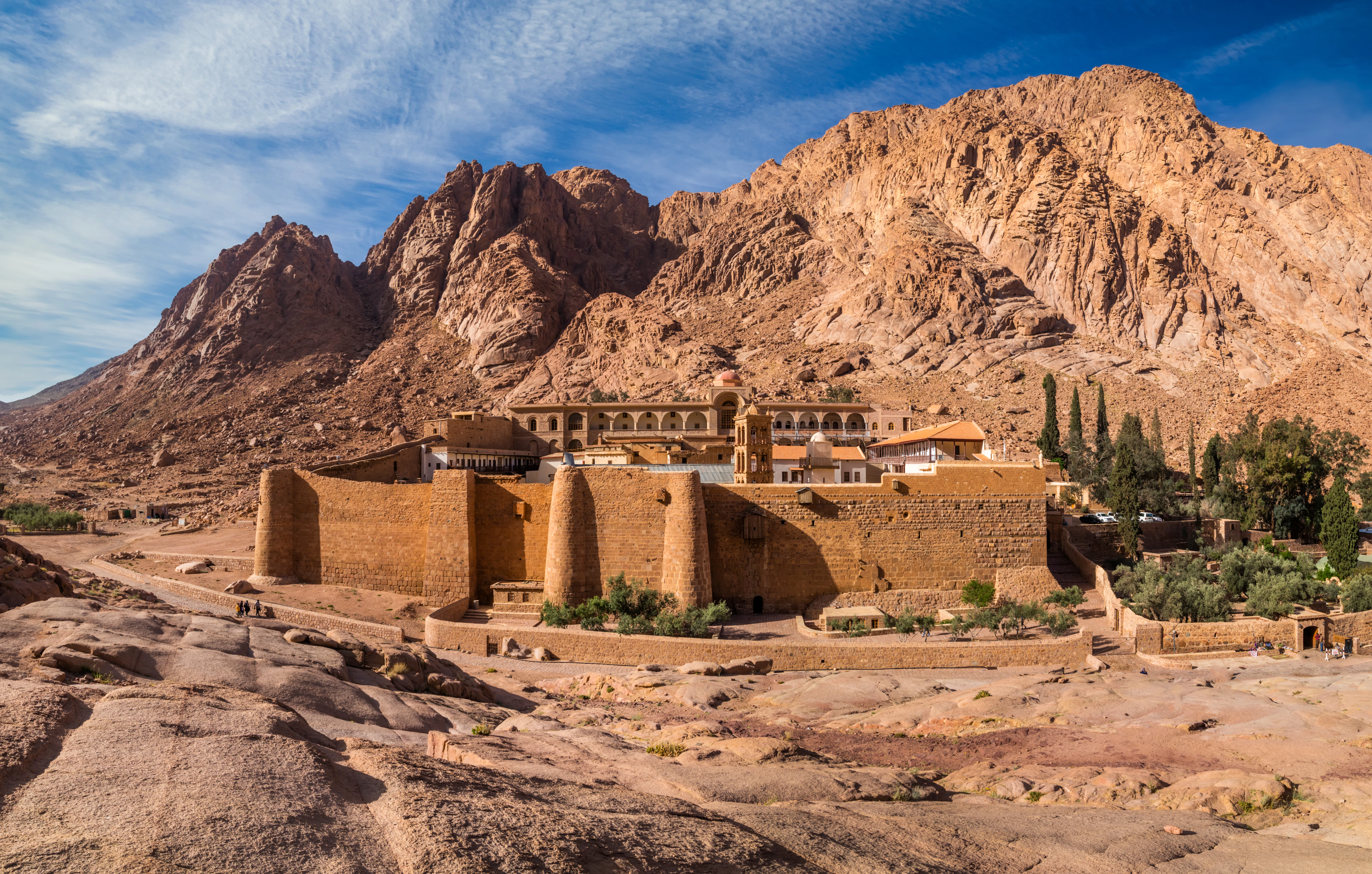
Wedged between the Gulf of Aqaba and the Gulf of Suez, the Sinai Peninsula serves up some of Egypt’s most memorable experiences. It’s a thrilling destination for a road trip, too. Leaving Cairo’s hectic traffic behind, you’ll first reach Suez, the southern terminus for the Suez Canal. From here, you’ll pass through a road tunnel under the canal to reach Sinai, for which you may need a special permit if you have a 4WD vehicle.
On the far side, the road that cuts directly across the peninsula toward Taba is off-limits due to security concerns; instead, follow the scenic coastal highway that veers south, squeezed between majestic mountains and the Gulf of Suez. Meander through the beach towns of Ras Sudr and Ras Matarma and make pit stops in Abu Zenima and Ras Abu Rudeis to snap some stunning photos of the coast.
After 5 hours or so, you’ll reach St Katherine’s Protectorate, a stunning mountain zone centered on the famous St Katherine’s Monastery, marking the spot where God spoke to Moses in the Bible. Rest up in St Katherine’s village for a day or two and arrange a guide for the hike up 2285m Mt Sinai or the ascent of 2629m Gebel Katarina (Mt Katherine) – two of Egypt’s best hikes.

Continuing around the peninsula for a few more hours will take you to Dahab, a legendary seaside stop. Plan to spend at least two days making the most of this boho beach town and its fun beachside dining, adjacent desert scenery, and diving, snorkeling and wind-sports sites. If you love the water, spare a few hours to float over the eerie chasm of the Blue Hole or go kitesurfing in the Blue Lagoon.
The coastline gets increasingly empty and rugged as you roll north for an hour up to Nuweiba, worth another few days of your time. This desert escape is even more laid-back than Dahab – the perfect place to disconnect from the modern world and reconnect with nature. All the desert camps here are right by the sea, with endless blue waters and mountaintops filling the horizon.
Planning tip: With ongoing security issues along the Israeli border, looping back to Cairo via Taba and North Sinai is not possible; you’ll have to retrace your steps to return to the capital.

2. A quick taste of the Red Sea Coast
Best short road trip for varied landscapes
Start/finish: Sharm El Sheikh/Ras Mohammed
Approximate distance: 88km; 1 day
The popular coastal hub of Sharm El Sheikh blends beaches, resorts for all budgets, and some of the best diving and snorkeling in the Red Sea. Thanks to its busy international airport, this is also a great spot to start a road trip around the dizzyingly beautiful Sinai Peninsula, without the hassle of braving Cairo’s hectic traffic.
For a rewarding day in the desert, start with a 35km drive north to Nabq Protectorate, the Gulf of Aqaba’s largest coastal reserve. Home to ibexes, hyraxes, abundant birdlife (including spoonbills and ospreys) and unique desert plants, the landscape here offers a taste of what Sharm El Sheikh was like before the tourism boom.
In this one location, you can hike across sand dunes, snorkel in crystal waters, kayak through coastal mangroves and explore green Wadi Kid, where irrigation channels feed stands of date palms, Tamarix trees and arak bushes. Take half a day here to immerse yourself in the landscape.

To find more Sinai scenery, turn back and head south along the coast to Ras Mohammed National Park, at the very tip of the Peninsula. The reserve’s mountain-backed beaches are just the starter course for a buffet of underwater experiences.
Divers and snorkelers are lured here by shipwrecks and million-year-old reef systems teeming with thousands of colorful marine species. Arrange a snorkeling or diving trip with a Sharm El Sheikh dive center to experience the remarkable contrast between the stark desert terrain and the life-filled wonderland below the waves.
Planning tip: For a picture-perfect finish to the drive, drop by Shark Observatory Cliff, on the southern edge of Ras Mohammed, where you can soak in sweeping views of this wondrous landscape.
Advertisement

3. Drive and dive along the Red Sea coast
Best coastal road trip
Start/finish: Hurghada/Marsa Alam
Approximate distance: 300km; allow 5 days
This 300km road trip along the Red Sea coast links a sequence of gorgeous beaches and dive sites that are worth visiting year-round (even in December, temperatures can reach 25°C/77°F).
Hurghada is the obvious first port of call when visiting the Red Sea coast. Allow a few days to enjoy its creature comforts, good food and inviting accommodation. Take the boat to the Giftun Islands to explore the breathtaking reefs before hitting the road.
Start the journey south with a stop at Safaga, a small seaside hub at the junction of the road from the Nile Valley. Swept by steady winds, its island-sheltered bay is perfect for kitesurfing and windsurfing. Wind-sport schools such as Hawa Safaga and Ion Club offer equipment rentals and lessons.

Your next stop on the journey south is El Quseir, a small coastal city with a rich history. Known as Tjau in ancient Egypt, this was once a major port, connecting camel caravans from the Mediterranean coast with ships arriving from the Horn of Africa. While the Suez Canal has removed El Quseir’s raison d'être, you can explore the town’s interesting local markets, feast on fresh seafood, and visit historic mosques and a 16th-century Ottoman fort.
It’s a scenic drive south between sea and desert to reach Marsa Alam, hailed for its year-round sunshine, clear waters and world-class snorkeling and diving. Allow a few days here for desert safaris, beach time and exploring the underwater world; Marsa Shagra Village is a trusted dive operator.
With a vehicle, it’s easy to make detours beyond Marsa Alam to serene spots such as the empty beach at Sharm El Luli inside Wadi Gimal National Park (Wadi El Gemal), and the Kite Village at Hamata – a superb spot for kitesurfers. Wrap up the trip with a boat tour to Sataya Reef, an important habitat for spinner dolphins.
Planning tip: If the Marsa Alam to Edfu road is open to international drivers, you may be able to loop back to Hurghada via the Nile Valley and Luxor. Check locally to see if this route is open.

4. A Nile River road trip
Best road trip for ancient sites
Start/finish: Luxor/Aswan
Approximate distance: 250km; allow 5 days
Many travelers cover the distance between Luxor and Aswan by train, or by felucca sailboat or luxury cruiser along the Nile River. However, driving will open up some stunning temple stops in the heart of ancient Egypt.
The road journey to Aswan only takes about 4 hours, but you’ll want to make multiple stops along the way. Start by exploring the treasure trove of ancient Egyptian ruins close to Luxor, from the tomb-filled Valley of the Kings and towering Karnak to the vast Temple of Hatshepsut.
For the first leg of the journey south from Luxor, follow the Nile floodplain through green fields and groves of palm trees. After 57km, you’ll pass through the city of Esna, once an important stop on the Darb Al Arba’een camel-caravan route linking Sudan with Egypt. The atmospheric Al Qīsāriyya Market still bustles with merchants today.
The other big lure here is the intricately inscribed Temple of Khnum, excavated from the silt in the 19th century. Founded by Ptolemy VI Philometor (180–145 BCE) the site was later expanded by the Romans, who added its magnificent hypostyle hall, supported by 18 decorated columns.

Another hour’s drive along the Nile takes you to Edfu, where you can visit the enormous Temple of Horus – the largest temple dedicated to this ancient god of kingship and the sky. According to myth, the well-preserved temple marks the spot where the falcon god defeated his murderous uncle, Seth, to avenge the death of his father, Osiris.
From Edfu, drive 70km south to explore the stunning Temple of Kom Ombo, which is dedicated to Sobek, the crocodile-headed god of fertility, as well as his brother Haroeris. Upgraded from a smaller New Kingdom structure in the Ptolemaic period, the temple is renowned for the fine carvings on the columns of its hypostyle halls.
The drive from Kom Ombo to Aswan only takes an hour, and you should aim to reach your destination before nightfall so you can enjoy a celebratory dinner on the banks of the Nile in front of the sunset.
Planning tip: If you still have the appetite for more temples, the iconic Abu Simbel Temple is 290km south of Aswan. Since the route here traverses an isolated sweep of empty desert, most travelers come on a tour or with a chartered car and driver.

5. From the Mediterranean to an oasis
Best oasis road trip
Start/finish: Alexandria/Siwa
Approximate distance: 598km; allow 5 days
Tucked away in the Western Desert, closer to the Libyan border than the Nile, the oasis at Siwa remains one of the most unforgettable destinations in all of Egypt. Sitting 25m below sea level, this fertile basin of date plantations, orchards, village houses and mud-brick ruins is the living vision of a desert oasis. Siwa’s geographical isolation has helped to preserve the area’s traditional Amazigh culture.
Siwa is a place to slow down the pace, stroll through serene palm groves, and soak in natural springs before heading out to the edge of the Great Sand Sea, where the dunes stretch to the horizon. However, you’ll have to cross a sweep of desert to get here.
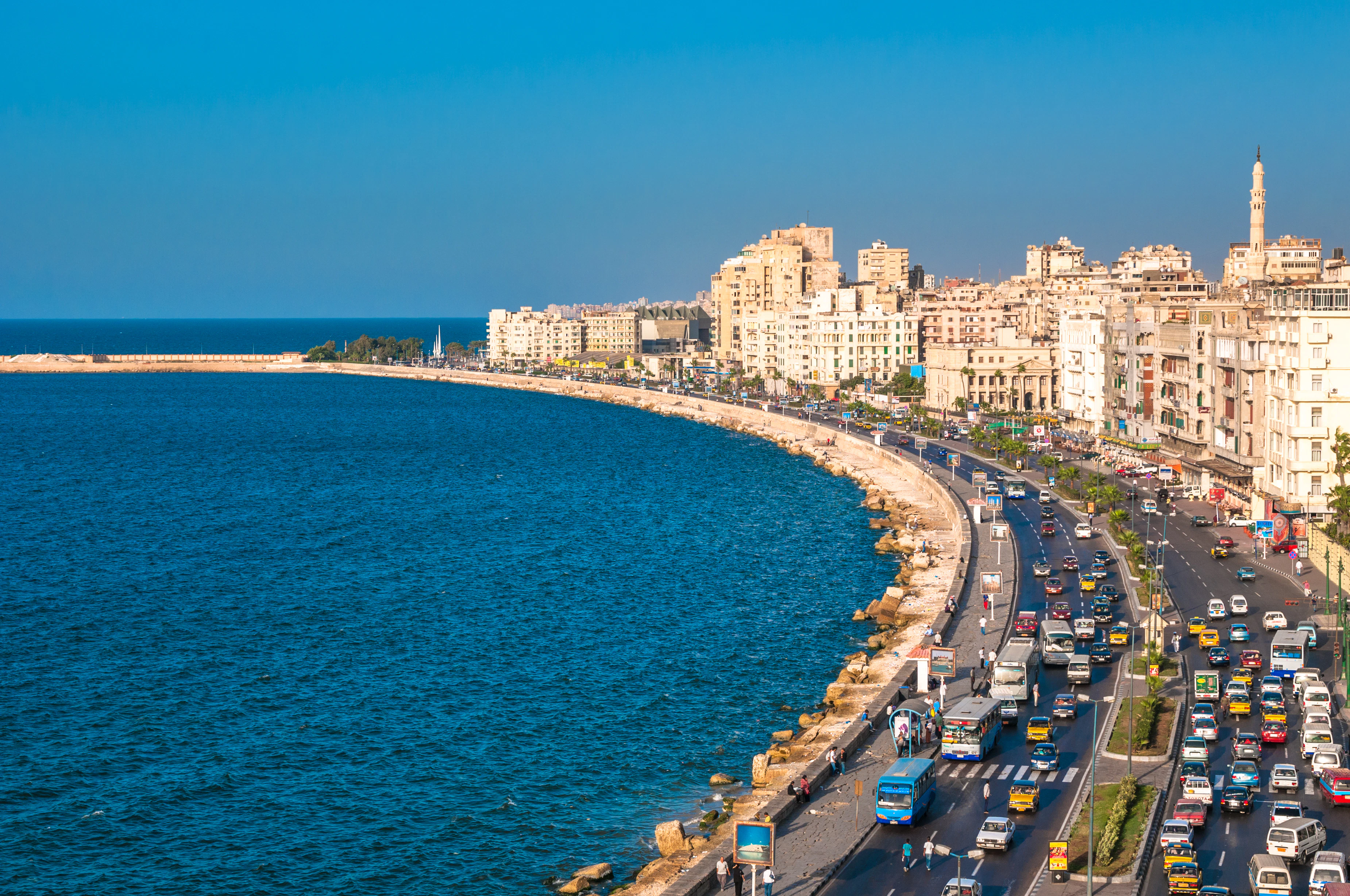
The first leg of the trip from Alexandria to the coastal resort town of Marsa Matruh is beautiful, blue and breezy. Get an early morning start for the 5-hour drive, and stop in at one of the high-end resorts along the route to enjoy a day or two of good food, creature comforts and swimming in the warm waters of the Mediterranean.
The white-sand beaches of Marsa Matruh are filled with holidaymakers – mostly Egyptian – during the summer season, and the streets and Corniche buzz with people long after midnight. Try to reach the town in time for dinner and wander through the atmospheric Souq Libya before calling it a night.
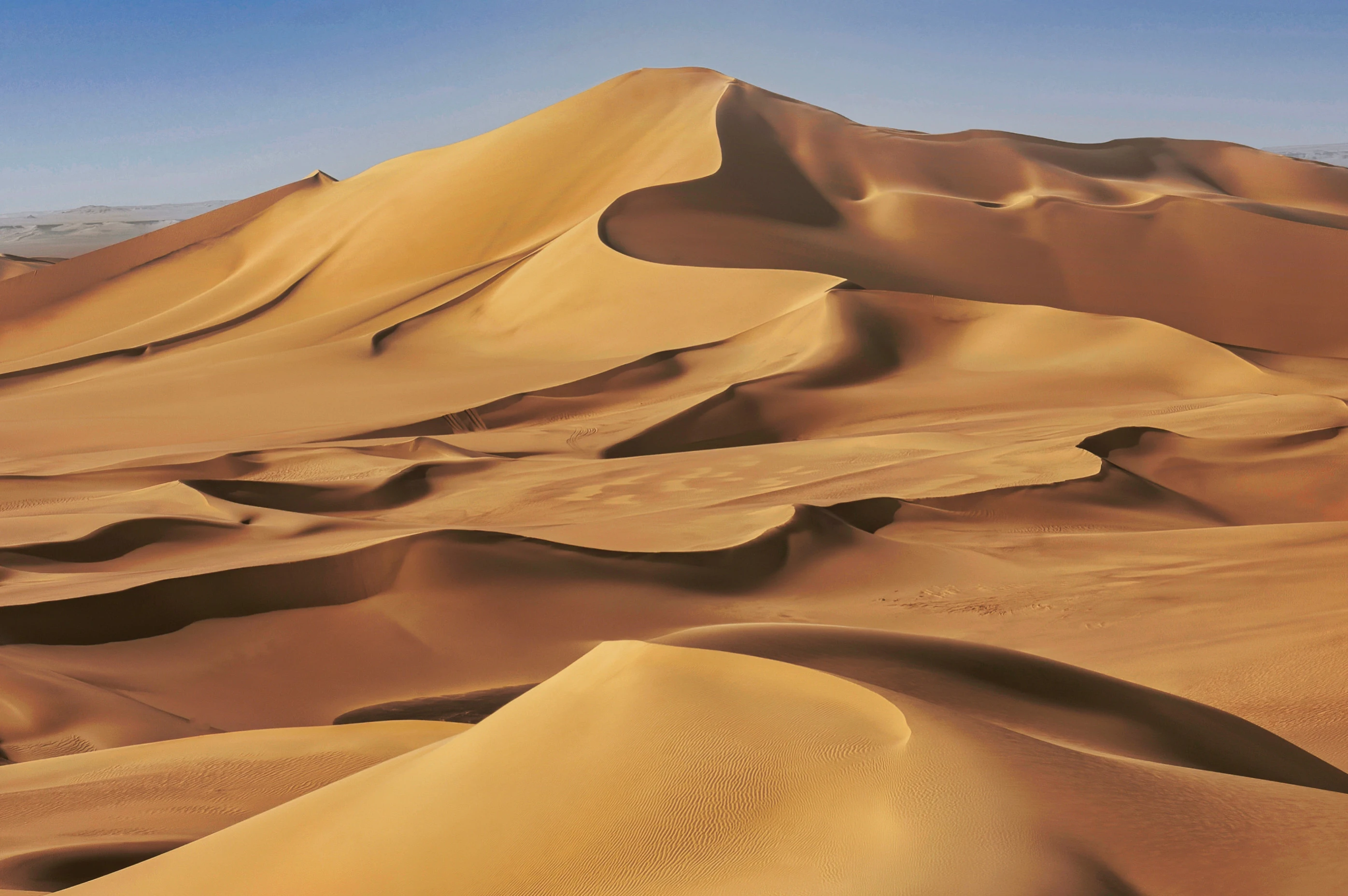
After a hearty seaside breakfast, you’ll embark on the 300km drive from Marsa Matruh to Siwa, crossing the edge of the vast Western Desert. Once you leave the coast, the landscape quickly becomes open and barren. At times, the land rolls flat to the horizon, dotted here and there with roaming camels; at other times, scenic buttresses break up the skyline.
After a long, sometimes bumpy drive, you’ll reach the welcome greenery of Siwa, dotted with palm groves and the ruins of houses occupied in ancient times. You'll want to spend several days here, exploring the oasis’ brilliant blue salt lakes, green spaces and the ruined walls of the Shali fortress.
Spare a few hours to visit natural bathing pools such as the oasis-within-an-oasis that is Cleopatra’s Spring, and take a boat to admire the glowing sunset from Fatnas Island or Taghaghein Island on Lake Siwa. If you’ve got the appetite for even more sand, join a dune safari through the Great Sand Sea.
Detour: For a desert adventure close to Siwa, take a guided hike in the desert around the Birkat Al Maraqi lake. Popular destinations for walks include the Greco-Roman Dehiba Tombs and the ruins of Bilad El Rum, where more Roman-era tombs can be seen alongside ruined mud-brick dwellings.
Tips for driving in Egypt
Egypt presents a few special challenges for drivers. Consider the following when planning a road trip here.
An International Driving Permit is required to drive in Egypt, and you risk a heavy fine if you’re caught without one. Ensure that you always have all the car registration papers with you while driving.
Respect local driving conditions. Egypt drives on the right-hand side of the road, but congestion can be heavy and drivers often flout traffic rules. Always drive slowly, carefully and defensively.
Avoid speeding; the speed limit outside towns is 70km/h to 90km/h, and 100km/h on major highways. Traffic violations can lead to your driving license being confiscated, and you’ll have to go to the regional traffic headquarters to get it back.
If possible, avoid driving in downtown Cairo, and don’t drive at night unless it's absolutely necessary – accidents are more likely and carjacking is a risk.
Locals use the car horn as a nudge to alert other road users to their presence, and it’s wise to do the same. Be ready to give way to other drivers if they seem committed to driving in front of you.
Watch out for pedestrians, livestock, donkeys, animal carts, cyclists and motorcycle riders weaving through the traffic.
For any off-road driving – and for some rural roads – you’ll need a 4WD. Note that 4WD vehicles need a permit to travel on some routes.
Carry plenty of drinking water and some spare water or coolant for your car radiator; check coolant levels before you start any long desert drive, and keep an eye on the engine temperature along the way.
Tolls are charged on the Cairo–Alexandria Desert Hwy, the Cairo–Fayoum road and for the tunnel under the Suez Canal. Road checkpoints are common; be ready with your identity documents and license.
Because of security issues, foreign travelers are not allowed to use the Suez–Taba road, which runs across the middle of the Sinai Peninsula. You have to use the coastal route around the south of Sinai via Al Tor and Sharm El Sheikh instead.
This article was partly adapted from Lonely Planet’s Egypt guidebook, published in December 2025.
Advertisement
Take your Egypt trip with Lonely Planet Journeys
Time to book that trip to Egypt
Lonely Planet Journeys takes you there with fully customizable trips to top destinations – all crafted by our local experts.


Explore related stories

Feb 18, 20267 min read
How to get your cell phone connected in Egypt: eSIMs, wi-fi and mobile networks