Advertisement
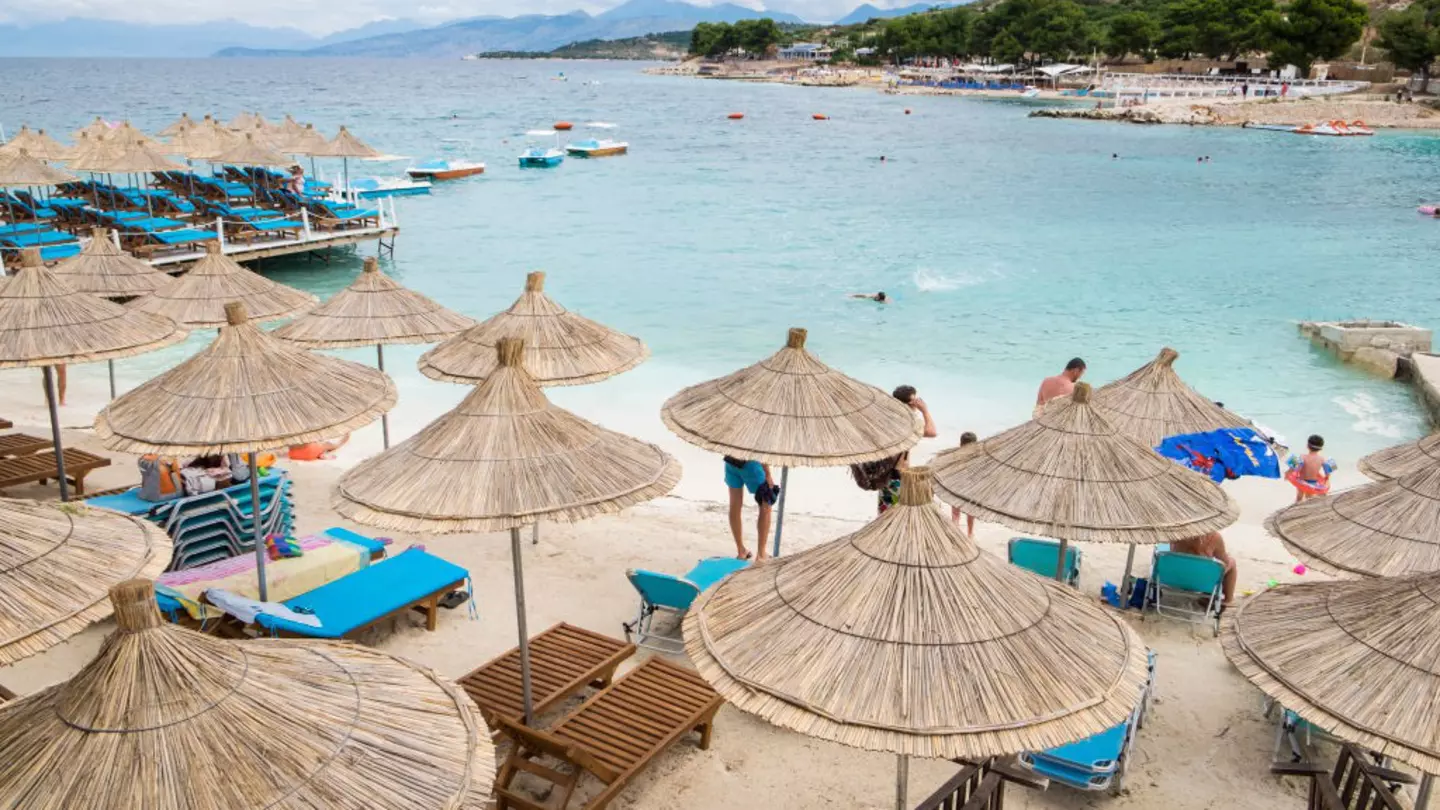
Sun umbrellas on the beach at Ksamil, Albania. UCG/Giovanni Mereghetti/Getty Images
Whether you’re sipping a spritz in a buzzing Renaissance plaza or diving into deep blue waters off a Mediterranean beach, summer in Europe is incredible. But with more and more people joining the fun, some of the best places to visit in Europe can face a bit of overcrowding in the summer high season.
Don’t let that scare you off a European trip this year – there are plenty of lesser-explored corners of the continent just waiting to be discovered, and in the current political climate, Europe is the low-stress holiday choice for 2026.
So, where do you go for a European summer break away from the crowds? Well, you could beat the summer heat in the far north of Scandinavia, or see a different side to the European seaside on the Baltic Coast. If summer heat is what you crave, why not take a vacation where locals go in the north of Portugal or flop down on a relaxing stretch of the mainland coastline in Greece?
Whatever you want from a summer escape, here are our favorite under-the-radar summer holiday destinations in Europe that are perfect for 2026, from Arctic Norway to the Albanian Riviera.
1. Alta Badia, Italy
Best for a mountain getaway
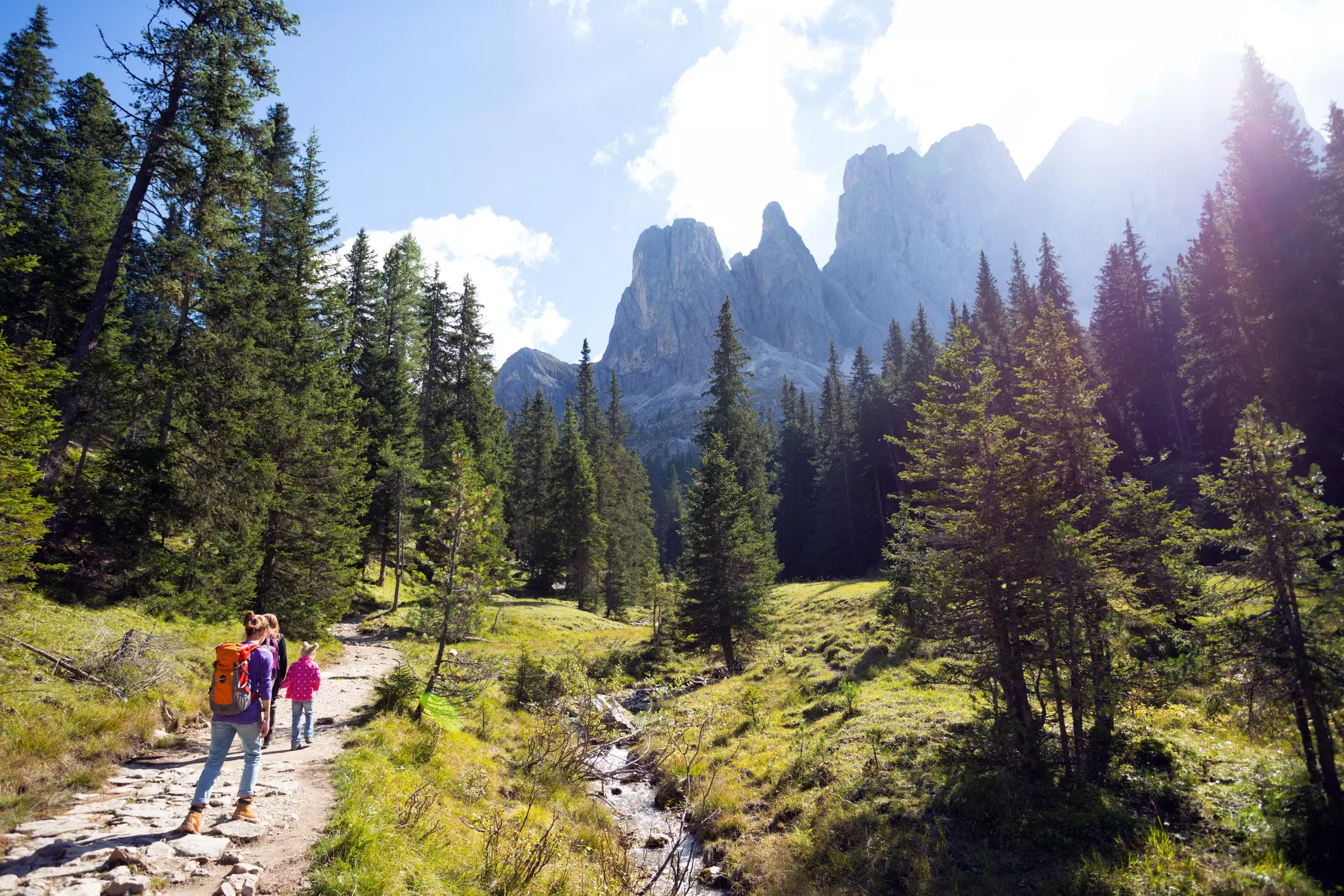
If the Dolomites are the Alps at their most magnificent, the Alta Badia valley in South Tyrol promises the Dolomites at their tastiest, and you'll escape the crowds who throng Cortina d'Ampezzo and Bolzano. The region is spangled with Michelin stars, but even simple refuges in this mountainous wonderland dish up good-value but top-notch cuisine – think mountain cheeses, energy-fueling pasta and comfort-food strudels.
Beyond its foodie credentials, this jagged array of deep valleys, high plateaus and piercing pinnacles in northern Italy echoes with poignant history. Between 1915 and 1918, Italian and Austro-Hungarian forces fought amid these unforgiving peaks, and today you can hike routes such as the Kaiserjäger to see their trenches and gun emplacements.
Advertisement
Alta Badia is also renowned for its winter skiing, but in summer the cable cars and mountain huts reopen to serve hikers, cyclists, paragliders and trail runners instead. For an extra adrenaline buzz, tackle some of the area's challenging via ferrata ("iron road") routes, traversing vertiginous rock faces via rungs and cables.
Planning tip: The nearest airports to the Alta Badia region are Venice, Verona and Innsbruck, a short hop across the border in Austria. La Villa, San Cassiano (St Kassian) and Corvara make excellent bases from which to explore the peaks and valleys.
2. Minho, Portugal
Best for foodies
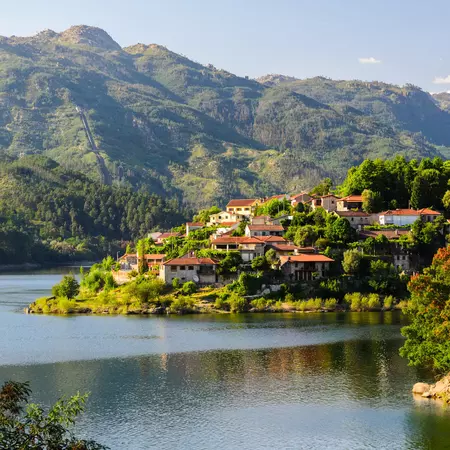
Where do the Portuguese take their vacations in Portugal? Those in the know savor staycations in the birthplace of the kingdom – the northern Minho region, a land of verdant hills, traditional culture and fabulous flavors that offers a very different feel to busy Lisbon or the Algarve.
The Minho is noted for its vinho verde (literally "green wine"), released just a few months after the harvest. As well as these fruity drops (Loureiro and Alvarinho wines are our picks), the region's cuisine is delectable, too, with plenty of local specialties.
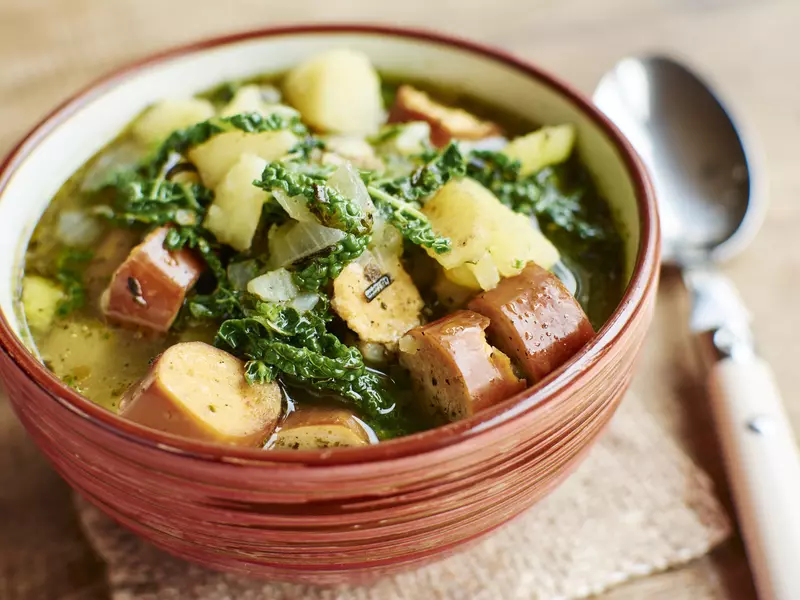
In Ponte de Lima, Portugal’s oldest town, find a restaurant overlooking the ancient Roman bridge and savorarroz de sarrabulho – rice and pork stew cooked in pig’s blood (tastier than it sounds) – and caldo verde, a hearty kale soup. Monkfish, sea bass and bream are fish favorites, along with bacalhau– salt cod, a staple throughout the country.
Work up an appetite strolling historic towns such as Braga, Guimarães and Viana do Castelo, where magnificently diverse architecture recalls the wealth of adventurous merchants who made their fortunes during the Age of Discovery and in the subsequent Portuguese colonial era.
Planning tip: Braga is a 1-hour train ride from Porto, the easiest place to arrive by air. From Braga, buses serve other towns in the Minho.
3. La Rioja, Spain
Best for wine lovers
The wine of La Rioja in Spain is famous worldwide, but visiting the source of these wines is a more laid-back experience than you might expect. Some 500 wineries are squeezed into this compact area between Bilbao, Zaragoza and Madrid, calling out to oenophiles who like their wines medium-bodied and their vineyards warm and welcoming.
In summer, the grapevines striping the craggy Ebro River Valley are verdant, and among the vineyards, you’ll find traces of the region's ancient settlers – ruins reveal inhabitation spanning millennia, from Neolithic times through the Moorish occupation to medieval Christian Spain.
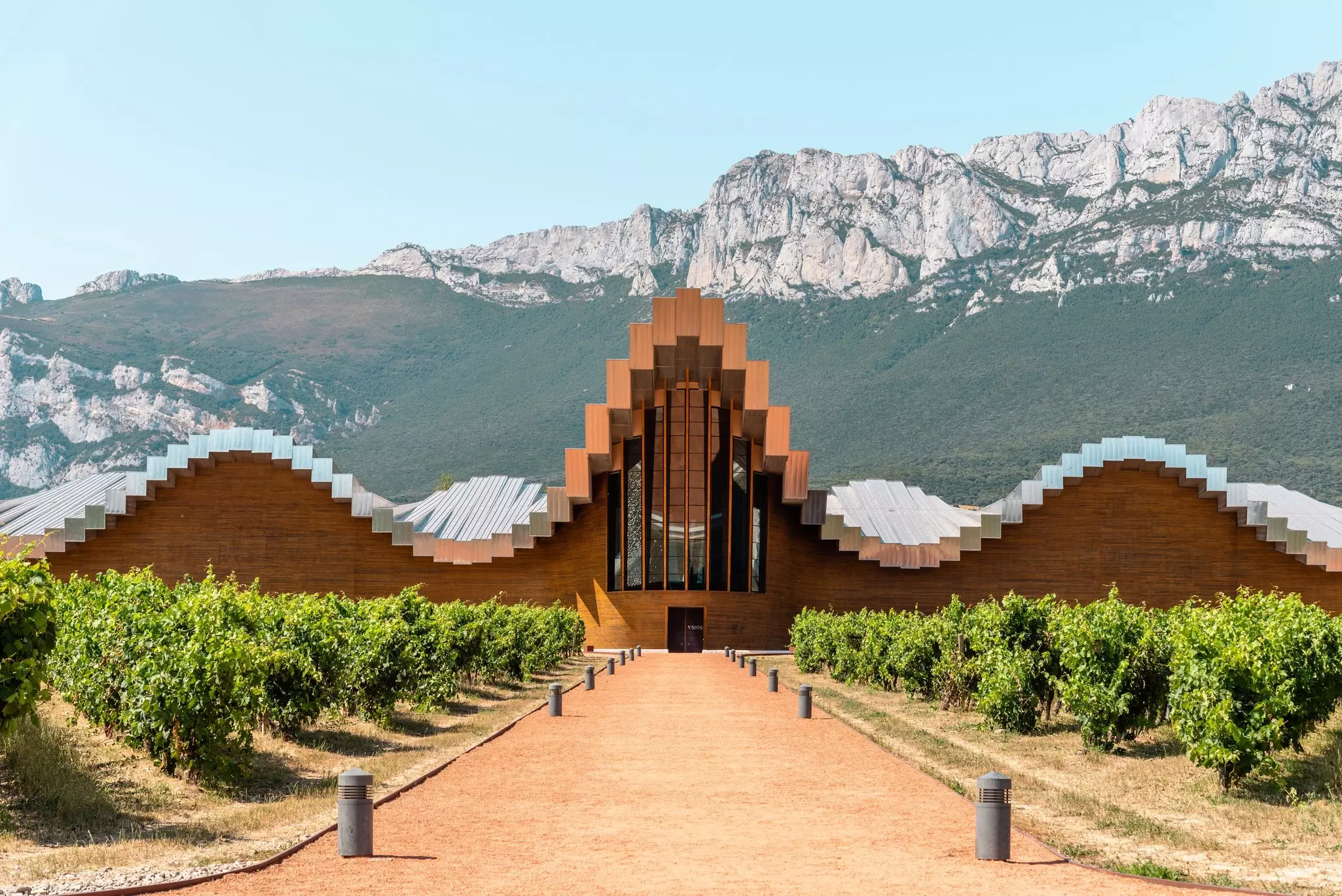
This is a slow-paced region, rich in history and viticulture, and tastings are a must. To start, visit the venerable, château-style wineries clustered around Haro in the Rioja Alta. Elsewhere, the Rioja Alavesa region is more contemporary – architects Gehry and Calatrava had a hand in the design of Marqués de Riscal and Ysios wineries.
If you need a central base, Logroño, La Rioja’s capital, is packed with bars serving cheap, tasty pintxos (tapas-like snacks) that are an ideal accompaniment to the region's fruity reds. Summers can be very hot, so plan accordingly.
Planning tip: To get the best from the region, take a leisurely loop around La Rioja by road. Visit Haro’s bodegas, head east to Briones for its ruined castle and the wine museum at Vivanco, and do a pintxos-crawl along Logroño’s Calle del Laurel. Also make time for a stop at medieval Laguardia, below the Sierra de Cantabria; Calatrava’s wave-like Ysios winery is nearby.
4. Pelion Peninsula, Greece
Best for a less-crowded Greek holiday
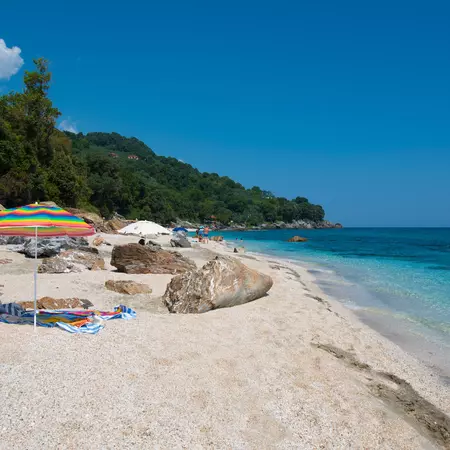
Sure, you could bake on the beaches of a Greek island, but in sizzling summer, it can be hard to find space for your beach towel. Instead, head for the cooler Pelion Peninsula, the gnarled finger of land curling into the Aegean north of Athens and tickling the Sporades. It's a calm place to escape from the crush of Athens or Thessaloniki for several days of easy living.
Here, you'll find a range of coastal resorts, most of them more isolated and peaceful than the typical Greek beach holiday hangouts. Try Horto or Milina on the sheltered west coast, southerly Platanias, or busier Horefto, Agios Ioannis and cute Damouhari near beautiful Fakistra beach on the east coast.
The mountainous interior oozes natural and cultural appeal – this is where mythical centaurs came to carouse – with ancient cobbled paths linking traditional villages where you can admire church frescoes and sip grape-based, rakı-like tsipouro in the shade of venerable plane trees. Be sure to savor local specialties such as spetsofaï (pork-sausage stew), fasoladha (butter bean soup) and lamb in lemon sauce.
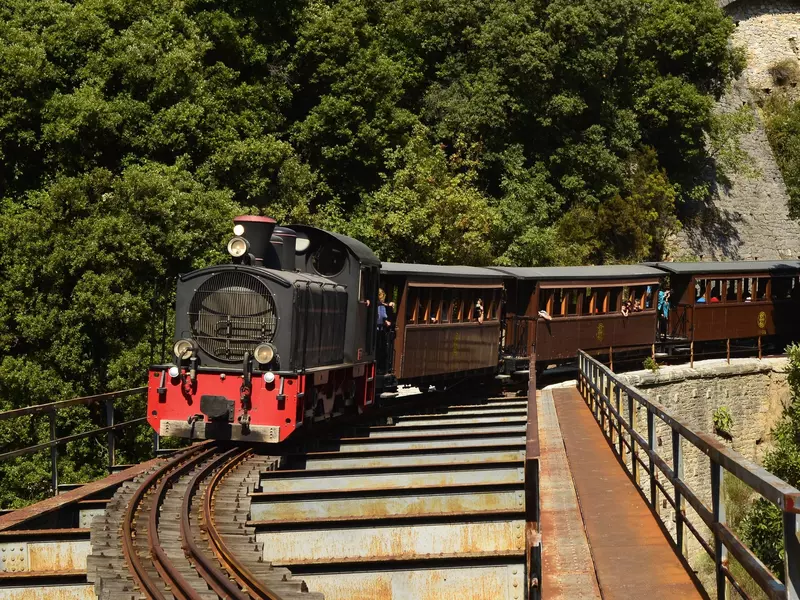
Up in the hills, the air’s a good few degrees lower than on the coast, which is good for walking if you avoid the middle of the day, and in summer, you can board the narrow-gauge Pelion Train that chugs from Ano Lehonia to Milies, running daily in July and August.
Planning tip: The nearest airport is in Thessaloniki, a 3-hour bus or train ride or drive from Volos, the gateway to the Pelion. Hiring a car is the easiest way to explore on arrival.
5. Pic du Midi, France
Best for stargazing
Advertisement
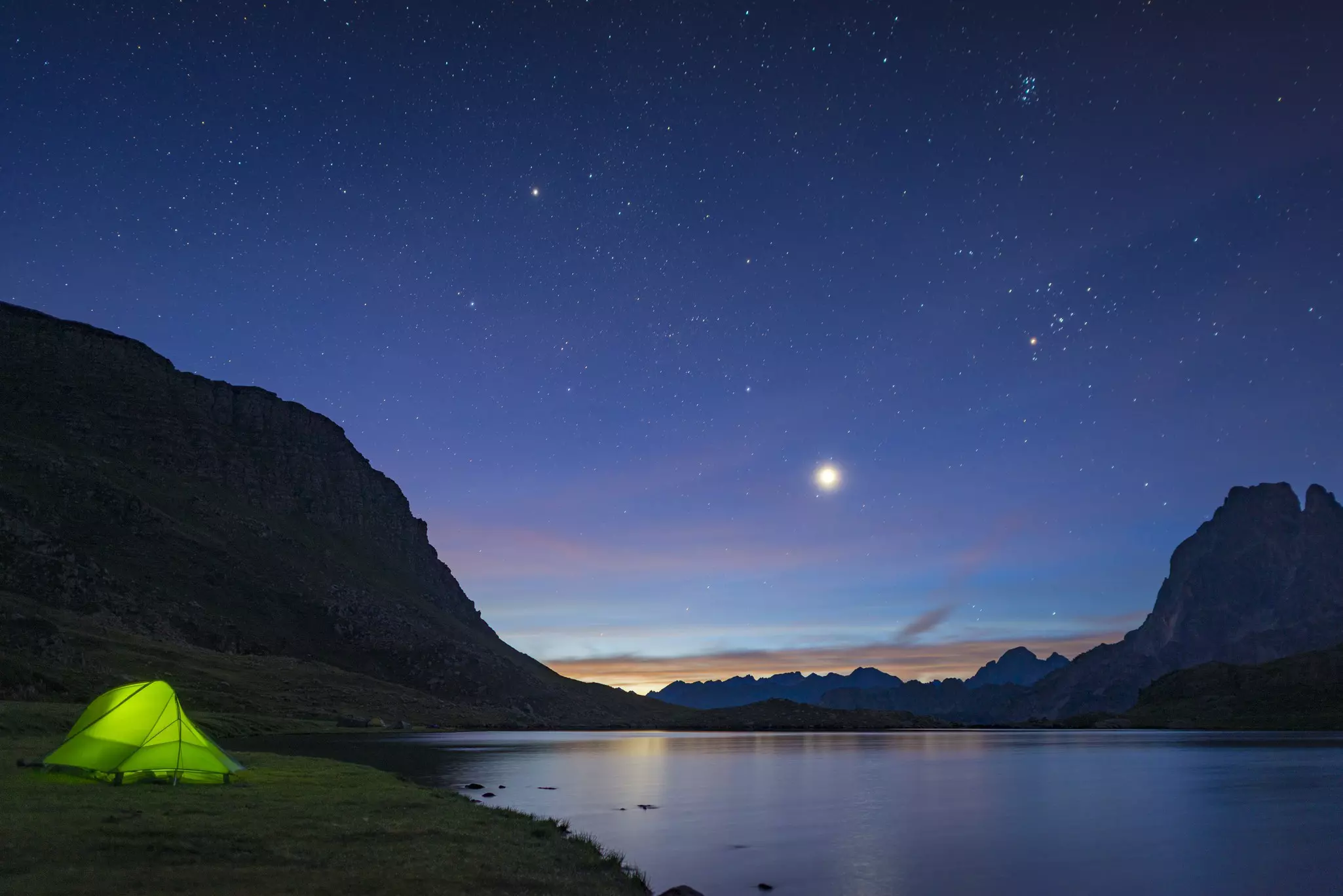
Scan the heavens on a clear night in summer in the south of France, and you might witness a spectacular light show: the Perseids meteor shower, sparking dozens of shooting stars in the upper atmosphere. The Perseids are active between mid-July and late August each year, peaking around August 12. To see them in peaceful silence, head for a dark-sky reserve where you can also admire the Milky Way in between meteor showers.
The Pic du Midi, in the central French Pyrenees, is one such reserve, with a historic (and impressively modernized) observatory set at 2877m. Visit during the day to learn about celestial phenomena and admire the mountain panorama, or at night for an immersive astronomical experience.
Even if you don’t make it up to the observatory, this region – popular with skiers in winter but peaceful in summer – offers stellar stargazing opportunities, not to mention tremendous hiking. The GR10 long-distance trail meanders nearby; find a campsite, mountain refuge or apartment in a quiet village along its route, and simply look to the skies.
Planning tip: To reach Pic du Midi, shuttle buses travel from Lourdes to La Mongie, from where cable cars run up to the observatory. The nearest airports are at Lourdes/Tarbes, Toulouse and Pau.
6. Central Austria
Best for a spa break
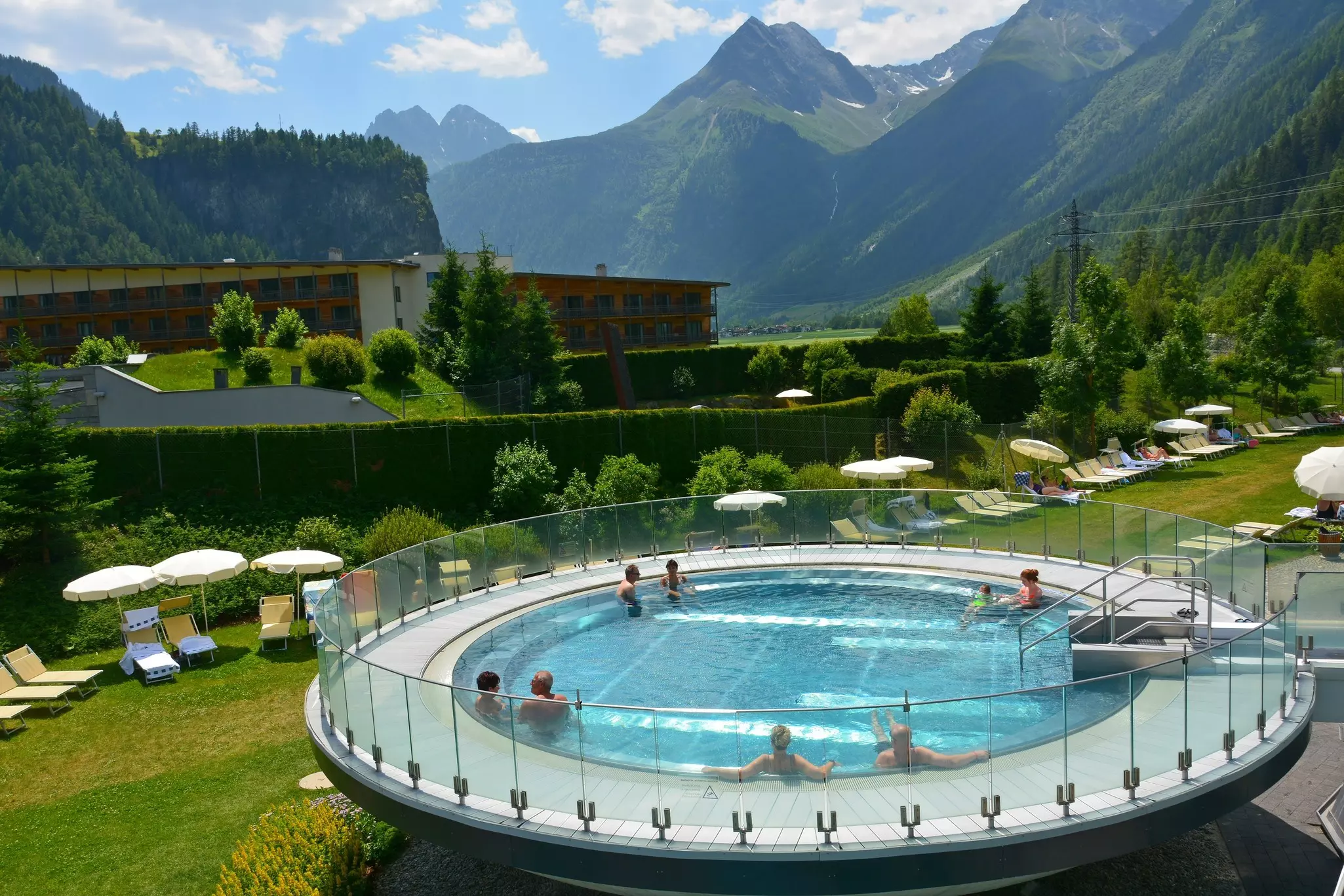
Austria is one of Europe's top winter destinations, and the summer hiking is almost as big a draw, but for true relaxation, visit one of the country's serene mountain spas. Finding wellness in Austria is a case of looking for the bad in everything, or at least, the "Bad" in place names – the marker for a spa town.
Spas offering saunas, treatments and thermal waters stud a broad swathe of central Austria, running east and south of Salzburg – most with a suitably uplifting backdrop of alpine peaks, meadows and valleys. The focus varies subtly from place to place, but in all cases, stress relief is pretty much guaranteed.
In Bad Aussee, expect stays focused on a healthy diet and outdoor activity, in line with the concepts of Kneipp therapy. The benefits of brine have been promoted in stately Bad Ischl since it received the imperial seal of approval in the mid-19th century, while natural hot springs feed the action at Bad Gastein.
Forest bathing and barefoot walking are added to the mix in neighboring Bad Hofgastein, which hosts one of Europe’s largest thermal spa complexes. But you won’t want to stay inside during the long, warm days of summer: roam the picturesque paths circling the Salzkammergut’s sparkling lakes, pedal mountain-bike trails above Bad Gastein, or take an invigorating dip in an alpine tarn.
Planning tip: For a summertime Austrian spa break, fly or travel by train to Salzburg, from where most spa towns are accessible by bus or train. Check ahead to make sure spas are fully open in August, when some facilities may be closed for maintenance.
7. Baltic Coast, Latvia
Best for empty beaches and national parks
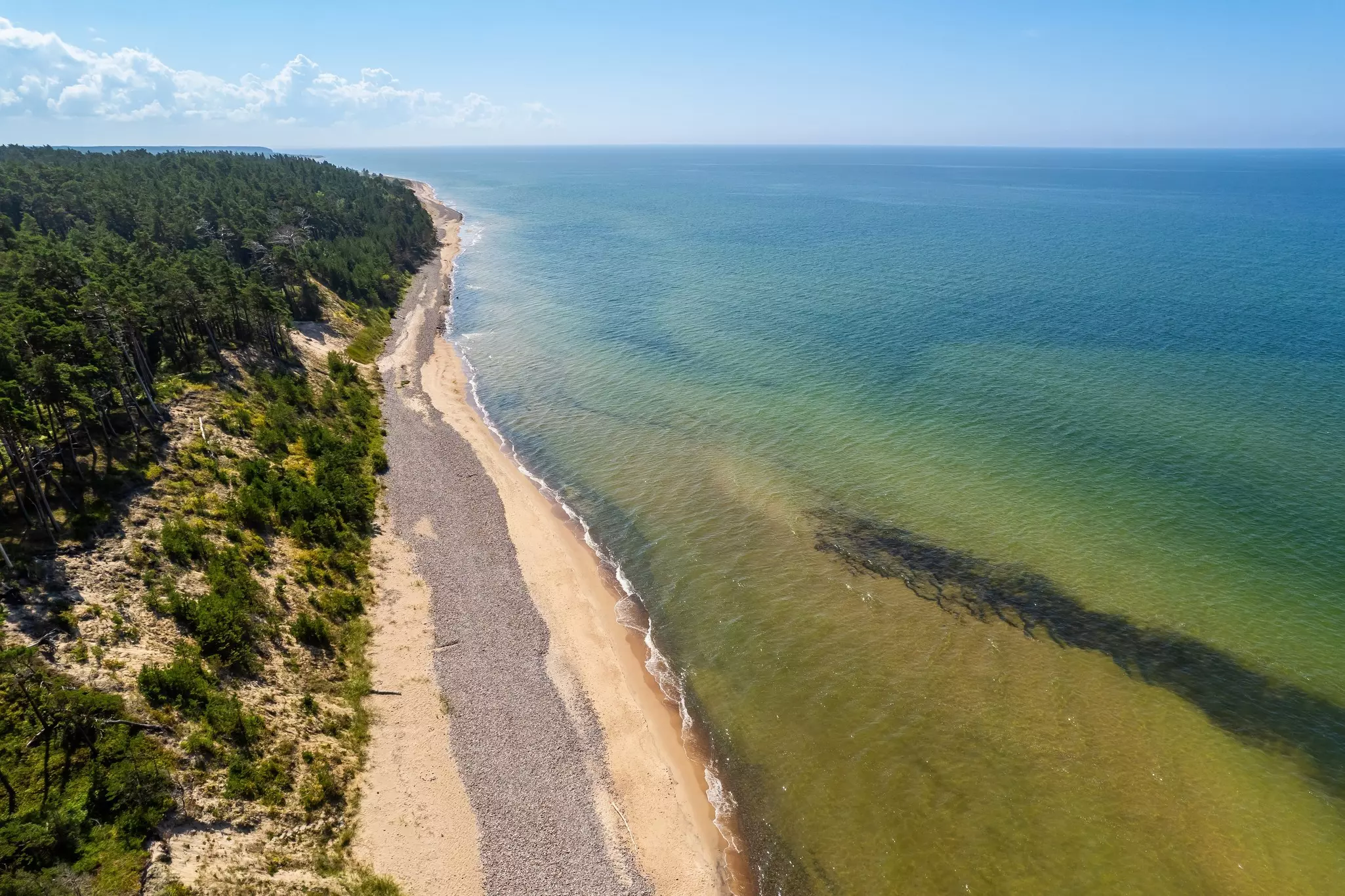
With some 300km of largely empty shoreline – much of it lined with white sand and backed by wooded hills – you might wonder why the west coast of Latvia isn’t more developed. The answer lies in communist times, when the Baltic was the western Soviet frontier, a strategic area from which locals were removed, limiting the opportunities for resorts to grow.
Today, this is a mesmerizing region to explore on sunny summer days: sometimes somber, sometimes seductive, but always spectacular. Coastal settlements range from rapidly gentrifying Ventspils to gritty, grungy Liepāja (great for alternative music) and a host of small fishing villages studding isolated stretches where you’re sure to find a beach all to yourself.
To really get away from it all, head north to Slītere National Park and Kolka, the headland where the Baltic meets the Gulf of Rīga. Here, you can hike or bike among towering dunes, woods and seascapes, and munch smoked fish bought in traditional fishing villages, such as Vaide, Košrags and Mazirbe, where you'll find traces of near-extinct Livonian culture.
Planning tip: Most visitors reach the west coast from Rīga; buses trace the coastline to Kolka and run inland to Ventspils and Liepāja, but hiring a car makes travel quicker and easier.
8. Svalbard, Norway
Best for wildlife watching
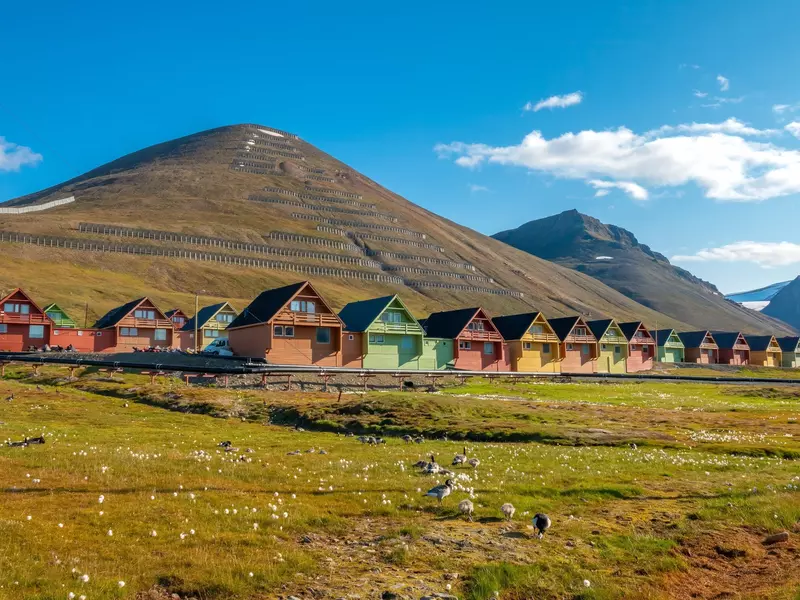
While northern Norway has a reputation as a land of ice and snow, summer reveals a very different side to the Arctic. Nature lovers should take advantage of the brief window of warmer weather to cruise the remote fjords of the chilly Svalbard archipelago. These legendary islands are accessible by sea for only a month or two each summer, but it’s a window worth seeking out, even though this is the area's busier season.
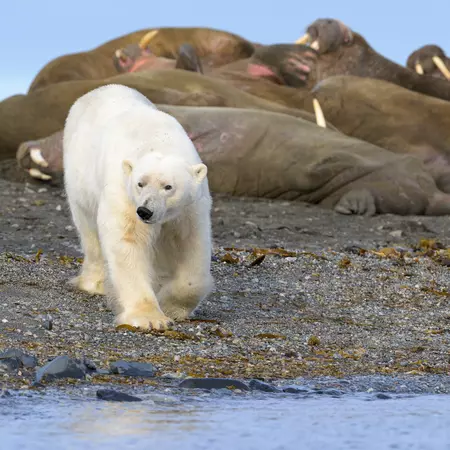
In July, the seas are mostly clear of ice, the temperature "soars" to a relatively balmy 5°C (41°F) and the sun shines for weeks on end – morning, noon and (mid)night – facilitating 24-hour sightseeing. Expedition cruise vessels plow past the islands’ jagged mountains and creaking glaciers, while expert guides keep watch for colonies, herds of reindeer, Arctic foxes, seals, whales of all sorts and, of course, polar bears.
Perhaps 3000 of these huge white predators stalk Svalbard and the surrounding Arctic region, and in summer, when the ice breaks up, the bears stay close to the coast. Board a small Zodiac boat and explore the shoreline for the chance of a close encounter.
Planning tip: To reach Svalbard, fly via Oslo to Longyearbyen on Spitsbergen, the main island. From here, cruises lasting 1 or 2 weeks depart regularly, with itineraries and activities dictated by the weather and sea conditions.
9. Albanian Riviera, Albania
Best for an under-the-radar beach break
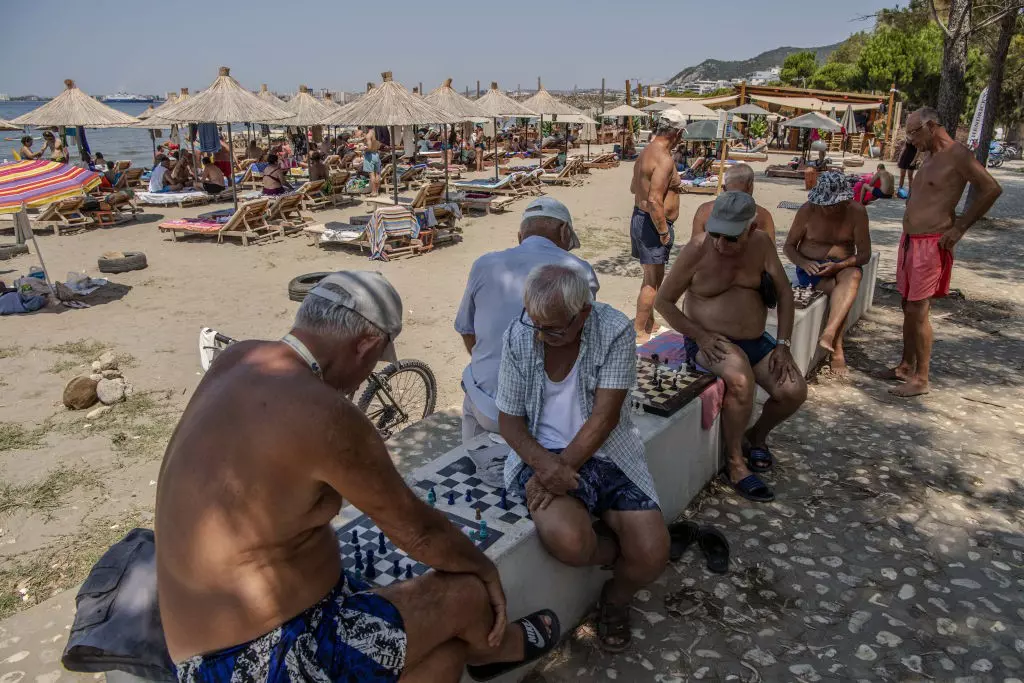
While not quite the hidden gem that it was at the turn of the millennium, when empty beaches and bargain prices were the norm, Albania’s glorious southern shoreline remains a treat for those in search of sun, sand and seafood. In summer, you’re guaranteed balmy water temperatures and hot weather, and picking quieter resorts (and starting your beach days early) can help you beat the crowds.
Once-quiet Saranda is now a fully fledged party town, with bars lining its esplanade; for a calmer resort experience, head up the coast to Himara, flanked by a scattering of good beaches (try Potami, just to the south). For an even quieter beach escape, seek out peaceful patches of sand at spots such as Palasa, Borsh, pebbly Bunec and the islands off Ksamil.
Head over to the epic Llogara Pass to Vlora Bay, where resorts offer boat trips to isolated beaches at the end of the Karaburuni Peninsula. For a break from sand-lolling, head to the archaeological site of Butrint, where Greek, Roman and Byzantine ruins, some dating back 2500 years, are crammed onto a knobbly headland.
Planning tip: The easiest way to reach the Albanian coast is from Corfu, which receives international flights and ferries from the Italian port of Brindisi. From Corfu, daily fast ferries reach the main city of Saranda in 30 minutes, but book ahead for summer crossings.
10. Stockholm Archipelago, Sweden
Best for an island break
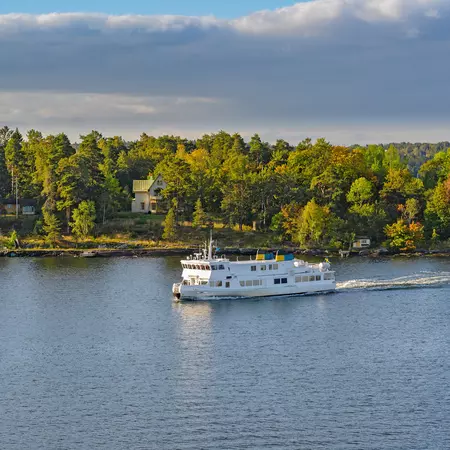
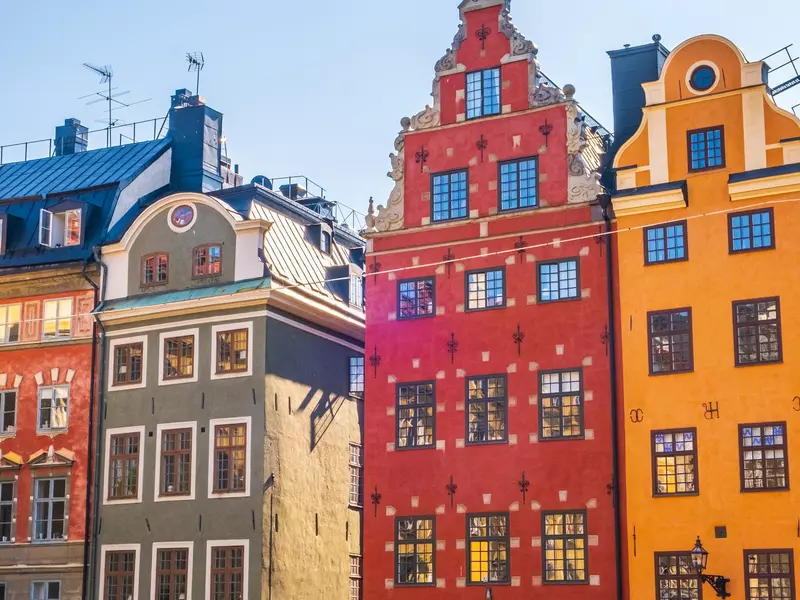
Less a city, more a wooded archipelago split into islands and inlets crammed with historic buildings, Sweden’s capital is almost unfeasibly good-looking – and never more so than in summer, when the sun glints on the water and the city's many parks beckon.
At its very best in the warm weather, Stockholm has enough cultural attractions to pack several days, from the cobbled alleys of Gamla Stan (Old Town) to exceptional contemporary galleries and museums (including open-air Skansen), while the sleek modern shopping district of Nordmalm offers welcoming cafes and restaurants for the all-important fika (coffee and cake break).
It’s easy to roam the 14 main islands on foot, by bike or metro, but there are tens of thousands more islets dotted around the archipelago that are best explored by ferry, on a boat cruise or – better yet – by kayak. Watch for ospreys, beavers and grey seals in various choice spots around the archipelago.
Planning tip: Even in summer, when days are warm, bring layers for the evenings, when temperatures can drop to 10°C (50°F). For smaller queues at sights such as the Gröna Lund theme park, things get quieter after the Swedish school summer holidays end in the second half of August.
11. Cardigan Bay, Wales
Best for sea life
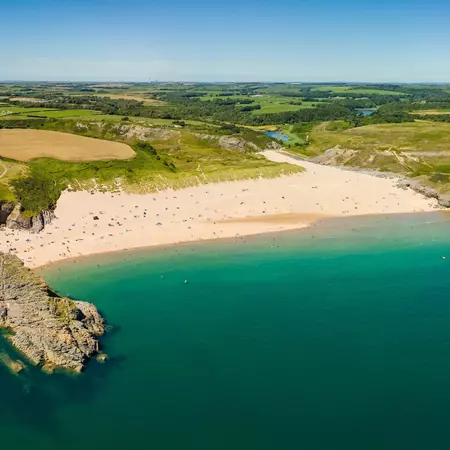
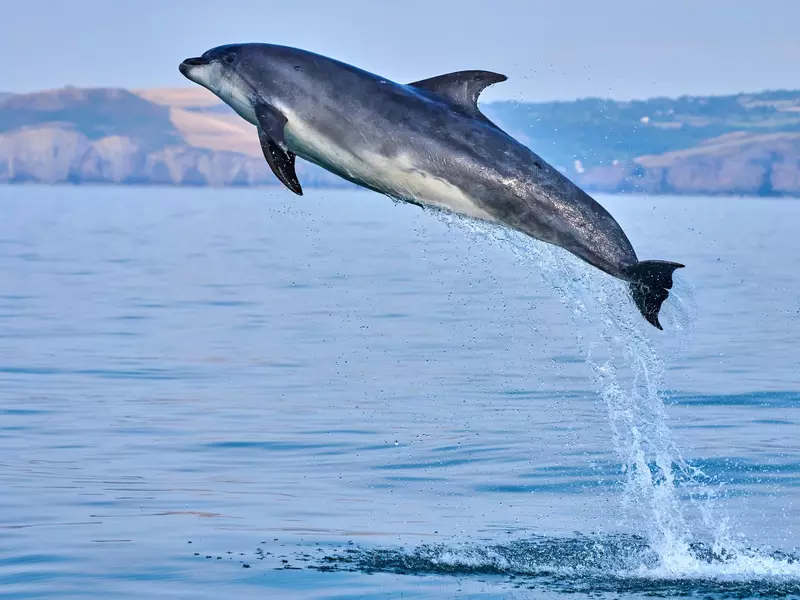
The west coast of Wales is a great, less-obvious summer destination – for marine mammals as well as holidaying humans. The broad sweep of Cardigan Bay hosts Europe’s largest population of bottlenose dolphins, some resident, others seasonal visitors, and numbering around 300 individuals.
They’re not shy, and as summer warms up, a boat trip offers a healthy chance of enjoying a close encounter, especially offshore from Cemaes Head or New Quay; hop on board from one of the attractive harbors at the southern end of the bay.
The fun doesn’t end with dolphins. Grey seals haul out on rocks, and you might also spot harbor porpoises and seabirds such as guillemots and razorbills. On land, explore the Dylan Thomas connections at New Quay, roam ancient castles and churches, and fuel up on local treats – seafood, of course, but also excellent artisan cheeses.
Planning tip: Base yourself in one of Ceredigion’s postcard-pretty coastal towns – New Quay, Aberaeron or Llangrannog – and spend a few days exploring. For something more active, follow the Pembrokeshire Coast Path along the shoreline, passing some of Wales' best coastal scenery.
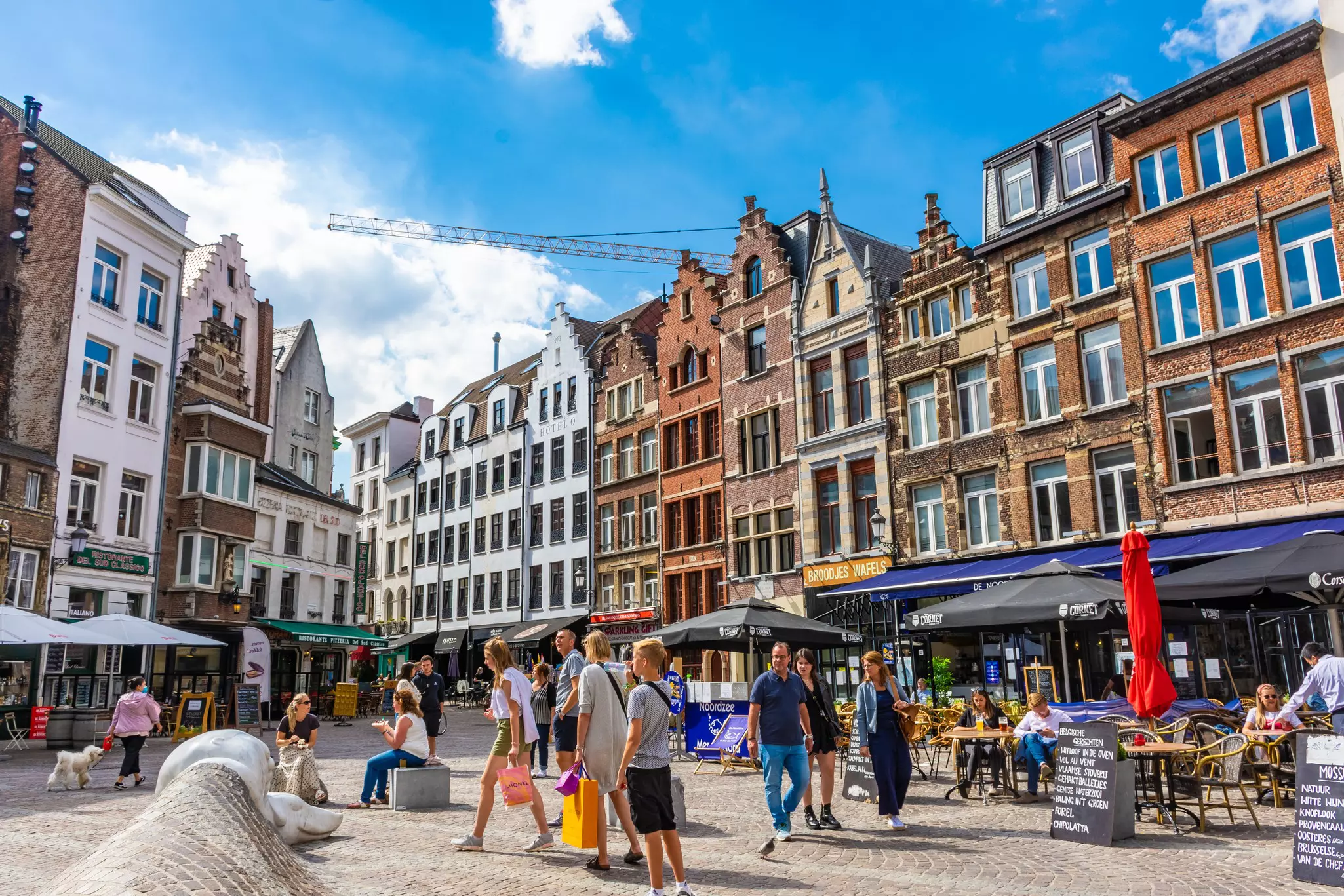
12. Antwerp, Belgium
Best for a cultural city break
Prices can be high in Antwerp, the thrumming, fashionable hub of the Low Countries, but summer offers a respite for your wallet via Zomer van Antwerpen (Antwerp Summer), a diverse and densely packed calendar of music, dance, theater and circus performances that takes over the city from late June through August – many events are free, while others charge "democratic" (ie bargain) prices.
The balmy summer is one of the best times to visit Belgium, and there’s plenty to pack into a long weekend on an Antwerp break. See Rubens' masterworks in his house-museum and within the spectacular Onze-Lieve Vrouwekathedraal; admire city-wide medieval and art nouveau architectural gems; enjoy hedonistic clubs and summer pop-up bars in parks and along the river.
Long renowned as a trading center for diamonds and, more recently, cutting-edge fashion, Antwerp offers addictive shopping, too. Look out for the work of local designers at boutiques in the Fashion District, centered on Kammenstraat and Nationalestraat.
Planning tip: Antwerp’s spectacular fin-de-siècle Central Station is a destination in itself. Arrive by train if possible; regular services run to Antwerp from across Europe, many via Brussels. The airport is just 5km southeast of the city center.
13. Julian Alps, Slovenia
Best for outdoor adventures
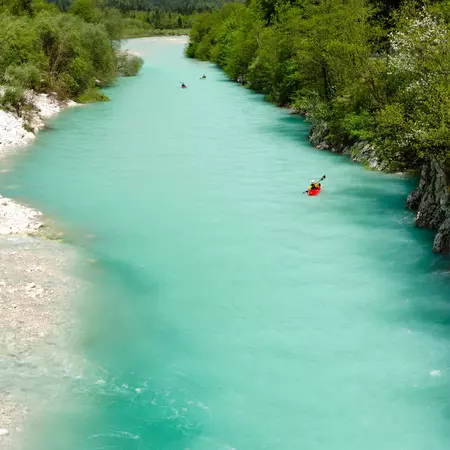
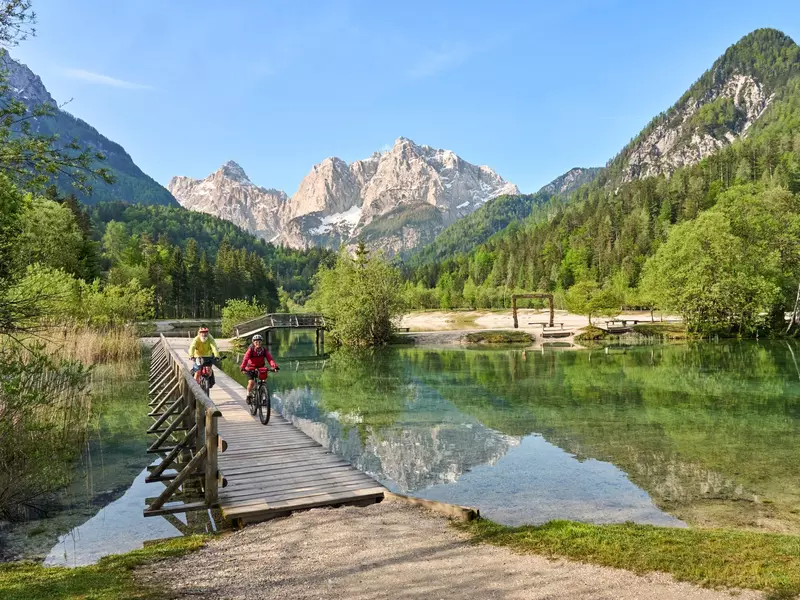
Often overlooked compared to neighboring Italy and Austria, Slovenia is a land of spectacular mountains, dense forests, lakes and rivers, and it shines in summer. With this kind of scenery on offer, it’s no coincidence that Slovenes are so keen on outdoor activities – the Julian Alps, where the 2684m Mt Triglav is surrounded by 840 sq km of national park, are the focus of this action.
Summer is the best season to get outdoors, whether that means swimming in the picture-perfect lakes of Bled or Bohinj, rafting the Soča River or canyoning in the Grmečica gorge. Hiking is also huge here – it’s said that every Slovenian should climb Triglav at least once, and the ascent is spectacular; give yourself 2 or 3 days for the climb.
You could also dip into the low-level, circular Julian Alps Trail, totalling 260km and affording tremendous views of the peaks, plus access to village accommodation, cultural insights and places to fuel up on excellent Slovenian cuisine and wines – universally high in quality but low in price.
Planning tip: To reach Slovenia's mountains, fly to Ljubljana or Venice (an easy drive west), then tackle some of the Julian Alps Trail or explore from a handy base – Kobarid or Bovec for the Soča Valley, Kranjska Gora or Mojstrana for the Sava Valley, or any of the settlements in the Bohinj Valley.
Advertisement