Advertisement
These 10 road trips will bring you into the heart of Ireland

Killian Andersen
Mar 19, 2024 • 15 min read
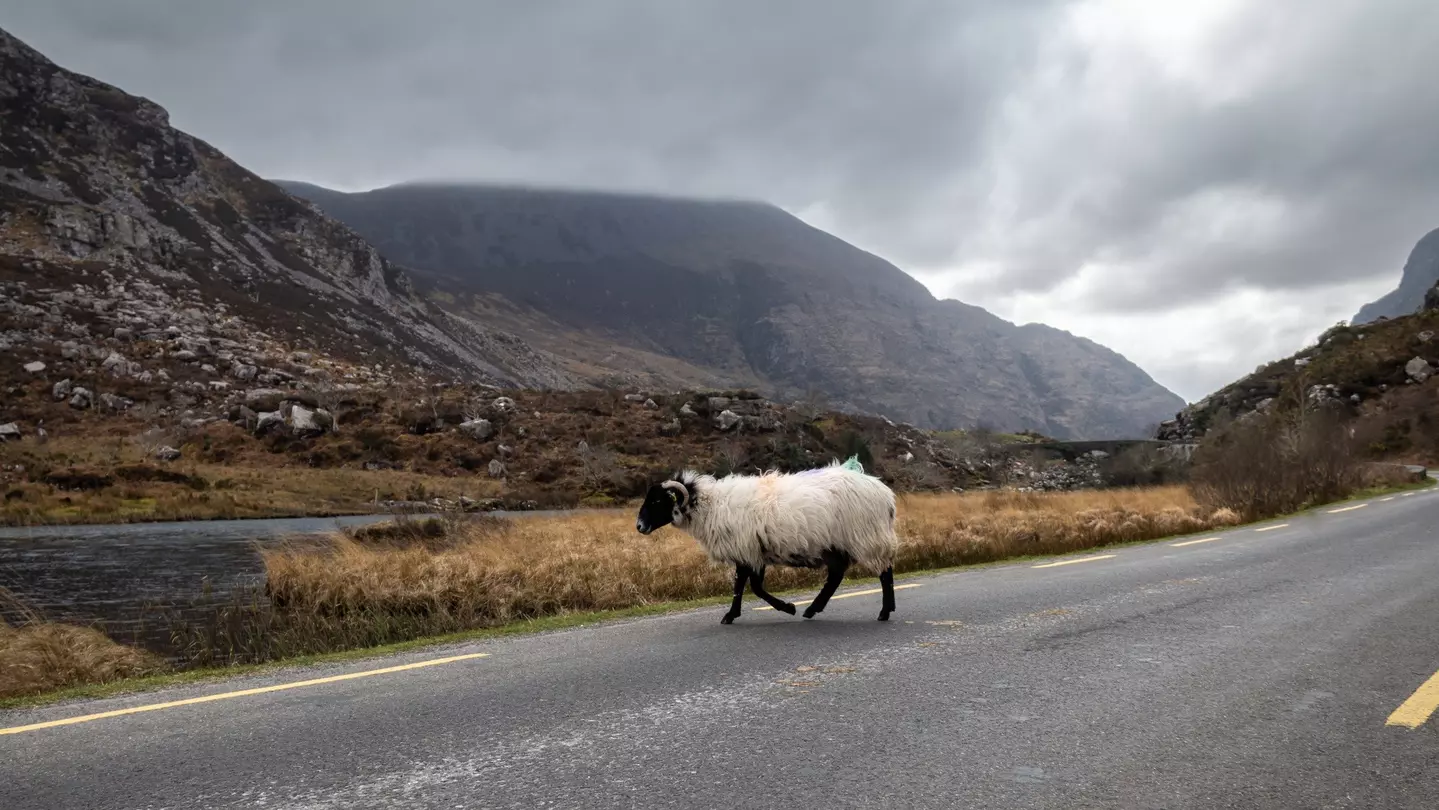
On Ireland’s winding country roads, expect to take it slow © Jade Prevost Manuel / Shutterstock
First-time visitors often think that given Ireland’s small size, they can see everything in a matter of days. We can confirm that this is simply impossible.
Here’s a typical story: a tourist makes a stop in a quaint village to sit down for a quick coffee. All of a sudden, they’re being whisked off to the local watering hole with Tom “from down the road” who wants to introduce you to the locals and share enthralling (and extended) tales of Irish history.
Such social connections are the soul of Ireland – and that’s on top of the island’s staggering raw beauty – and an Ireland road trip is the best way to get a fix of both. Pack up a car and plan to take it slow with our pick of the most inspiring road trips across this beautiful nation. Whether you're focusing on one region during a short visit or linking several itineraries together on the trip of a lifetime, we've got you covered.
The South
1. The Ring of Kerry
Best road trip to experience old Ireland
Start/Finish: Killarney/Killarney
Approximate distance: 202km
Towering mountains, glistening lakes and enchanting forests: the Ring of Kerry is one of those unforgettable road trips that stuns from start to finish. There are so many landmarks to see along this route, it can be hard to fit it all into one trip. Yet the beauty of this drive is that even if you rarely leave the car, you’ll still experience some of Ireland’s most beautiful spots.
Advertisement
You can drive the Ring of Kerry in a day, but the longer you spend, the more you’ll enjoy it. The circuit winds past pristine beaches, medieval ruins, mountains, loughs (lakes) and the island-dotted Atlantic, with the coastline at its most rugged between Waterville and Caherdaniel in the peninsula’s southwest. You’ll also find plenty of opportunities for serene, starkly beautiful detours, such as the Skellig Ring and the Cromane Peninsula (local secret, Jack's Coastguard Restaurant, would justify a trip alone). Between April and September, The Skellig Experience heritage center runs two-hour cruises around the Skelligs that are well worth booking in advance.
This route also brings you near Ireland’s highest mountain, Carrauntoohil. It’s worth taking a day to attempt the hike via the Devil’s Ladder.
Planning tip: Tour buses travel anticlockwise around the Ring, and authorities generally encourage visitors to drive in the same direction to avoid traffic congestion and accidents. If you travel clockwise, watch out on blind corners, especially on the section between Moll’s Gap and Killarney. There’s little traffic on the Ballaghbeama Gap, which cuts across the peninsula’s central highlands, with some spectacular views.
2. Dingle Peninsula
Best road trip for local language and culture
Start/Finish: Killarney/Tralee
Approximate distance: 185km
As you twist and turn along this figure-of-eight drive, the coastline is the star of the show. The opal-blue waters surrounding the Dingle Peninsula provide a wealth of aquatic adventures and superbly fresh seafood, and you’ll find that where the promontory meets the ocean – at wave-pounded rocks, secluded coves and wide, golden-sand beaches – Dingle’s beauty is at its most unforgettable.
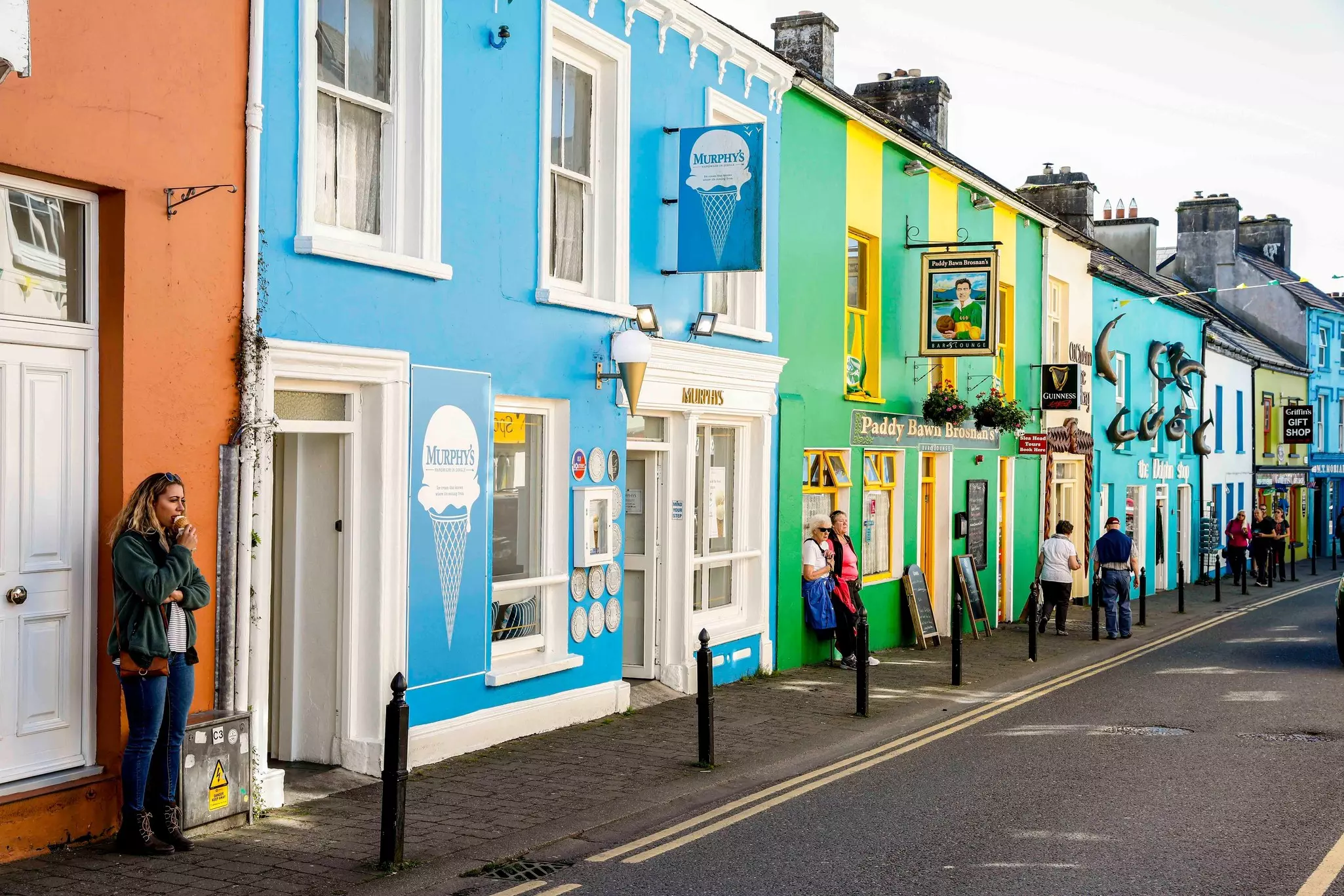
It's worth taking the time to stretch your legs and explore the eponymous town at the center of this route. Fanned around its fishing port, Dingle can charm the socks off any visitor without even trying. This is one of Ireland's largest Gaeltacht towns and has long drawn runaways from across the world, making it a creative and cosmopolitan hub amidst the wild landscape. Wander the winding streets, chat to locals and don't leave without catching a traditional live music session in one of the many old-school pubs – An Droichead Beag has nightly ceol (music) sessions year-round.
Once you're on the road again, it won't be long before you hit the dizzying Connor (or Conor) Pass, Ireland's highest motor road at 456m. On a foggy day you’ll see nothing but the road just in front of you, but in fine weather it offers phenomenal views of Dingle Harbour to the south and Mt Brandon to the north.
The road is in good shape, despite being very narrow and very steep on the north side (large signs portend doom for buses and trucks). When visibility is good, the 10-minute climb west from the car park to the summit of An Bhinn Dubh (478m) is well worthwhile for the kind of vistas that inspire mountain climbers.
Detour: If you'd like to spend more time exploring Kerry's famed beauty, this road trip is an easy add-on to the Ring of Kerry route.
3. West Cork Villages
Best road trip for foodies
Start/Finish: Kinsale/Glengarriff
Approximate distance: 354km
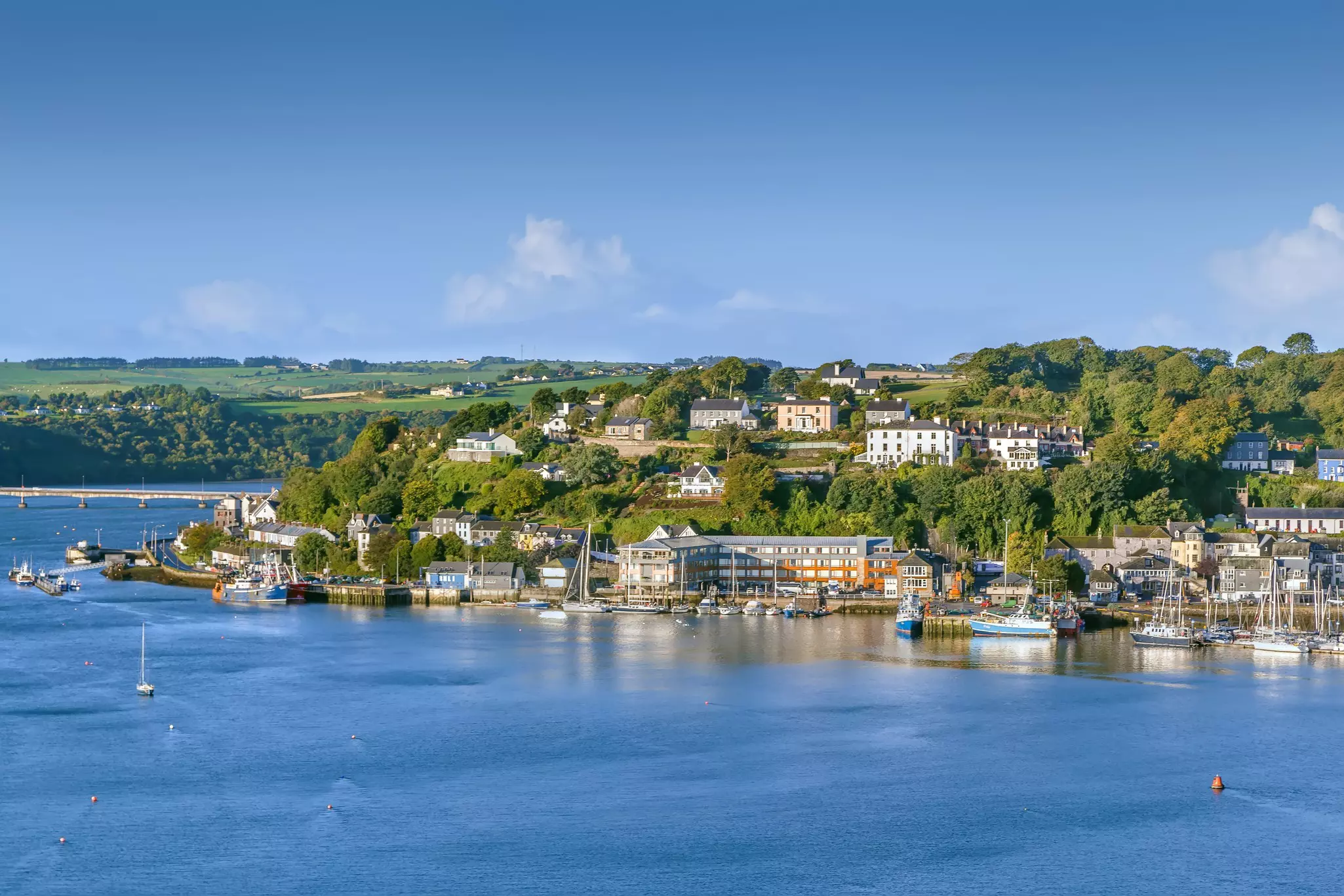
This trip contains one of Ireland’s trinity of top peninsula drives: the spellbinding Beara Peninsula, straddling Counties Cork and Kerry. Beara’s southern side, along Bantry Bay, harbors working fishing villages, while on the rugged northern side craggy roads cut in and out of nooks and crannies and tiny coves are like pearls in a sea of rocks.
Virtually every village in West Cork offers exceptional dining, where the standards just keep getting better. Your road trip kicks off in artsy Kinsale, with its winding streets, pretty harbor and superb foodie reputation. If you'd like the chance to stretch your legs before hitting the road, the peninsula of Scilly is barely a 10-minute walk southeast, from where a lovely walking path continues 3km east to Summercove and the vast, 17th-century, star-shaped Charles Fort. Then its on to renowned favorites such as Clonakilty, Skibbereen and Bantry before you reach the breathtaking views of the Beara Peninsula.
For some exceptional perspectives, take the cable car (the only one in Ireland) to tiny Dursey Island at the end of the peninsula, which sways 30m in the air. Those with vertigo may need to shut their eyes and grit their teeth until they reach terra firma. Hike to the signal tower at the top of the island to spot whales and dolphins in the surrounding waters.
Detour: A visit to the Michael Collins Centre and Museum, between Timoleague and Clonakilty, is an excellent way to learn more about the life of Clonakilty's most famous son. Irish Free State commander-in-chief Michael Collins was one of the key figures in the struggle for independence in Ireland from British colonization.
The West
4. The Burren Loop
Best road trip for beautiful barren landscapes
Advertisement
Start/Finish: Ballyvaughan/Ballyvaughan
Approximate distance: 150km
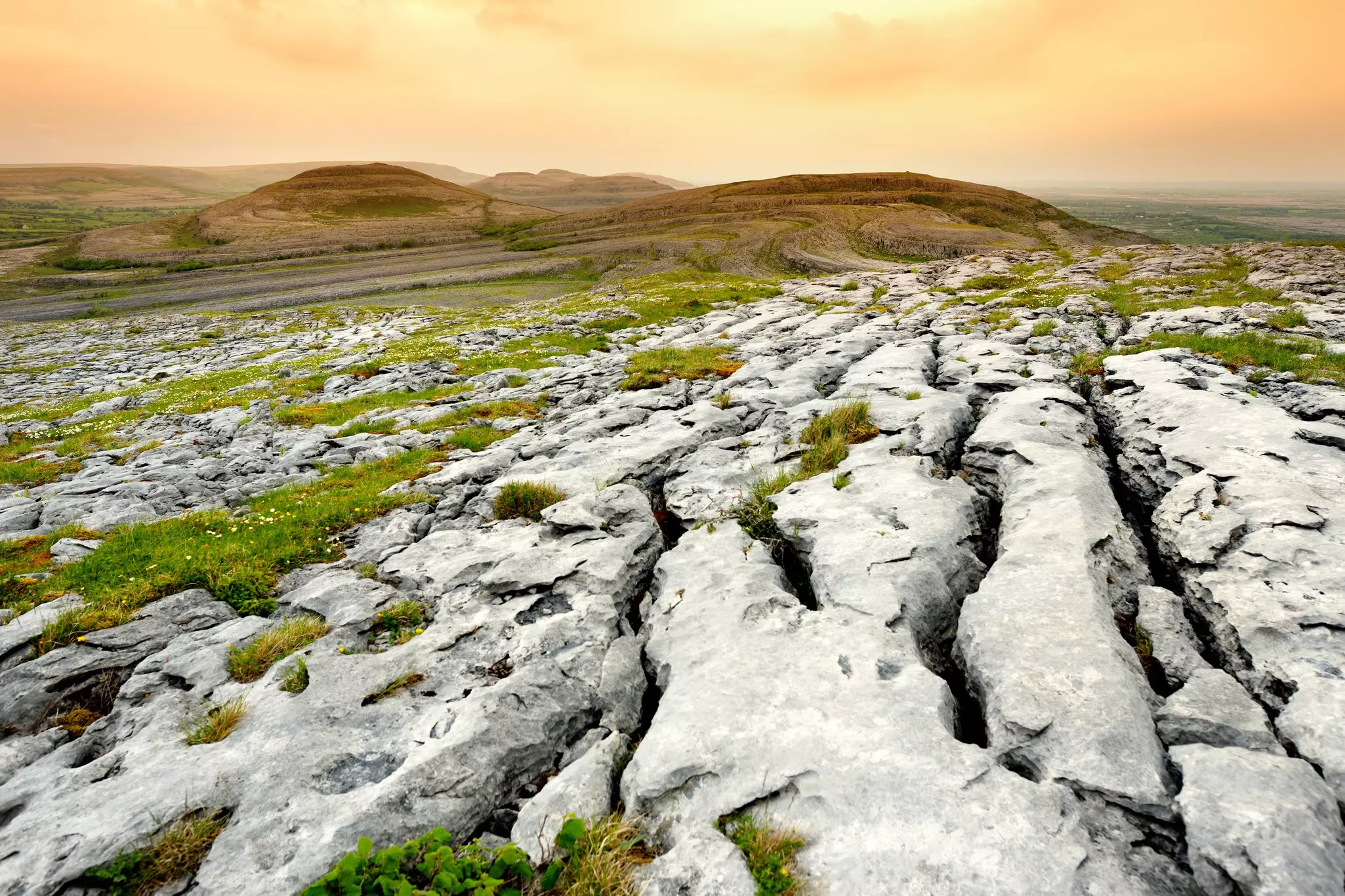
Stretching across northern Clare, this figure-eight route configuration allows you to stay in the same accommodation if you want to complete the route over two days. The Burren itself has been recognized as a UNESCO World Heritage site for its unique karst landscape, which covers approximately 560 sq km. This is not the green Ireland of postcards, but there are wildflowers in spring, giving the landscape a brilliant, if ephemeral, color amid its austere beauty.
Of the island's native wildflowers, 75% are found here, including 24 species of orchid, the creamy-white burnet rose, the little starry flowers of mossy saxifrage and the bloody cranesbill. The drive will take you down narrow roads that cut through the barren landscape to sheer cliffside views. This part of County Clare is also peppered with small towns and villages that host some of the best trad musicians in the country in the local pubs. Just follow the sound of the fiddle in Ennistymon, Kilfenora and Miltown Malbay.
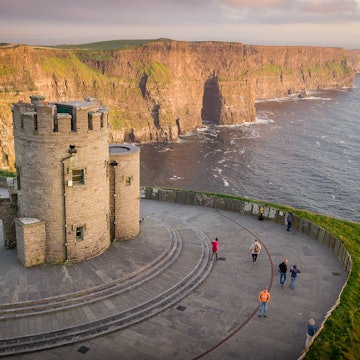
Planning tip: Leave time to incorporate some, if not all, of the Cliffs of Moher cliff walk. If time allows, consider hopping on a boat from Doolin to see them from the sea as well.
5. The Mayo Coast
Best road trip to avoid crowds
Start/Finish: Ballina/Killary
Approximate distance: 543km
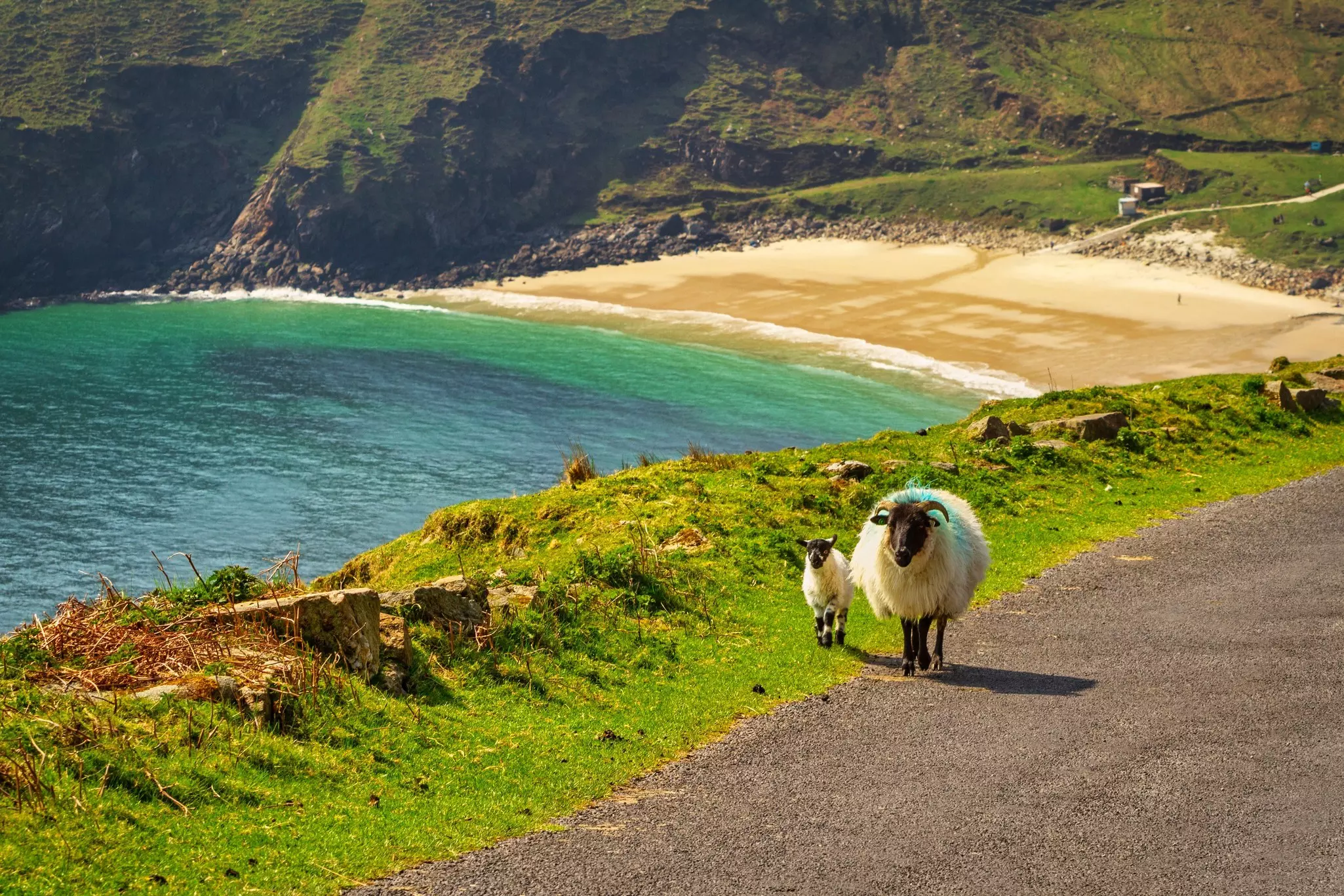
Many visitors to Ireland miss out on Mayo, which has one of the most beautiful coastlines in the country. It’s home to the highest mountain in Connacht, secret swimming spots and dramatic cliff walks. Plan for numerous stops as you make your way down the coast, including the gorgeously scenic Wild Nephin National Park, covering one of Europe's largest expanses of blanket bog. The park is home to a diverse range of flora and fauna, including peregrine falcons, corncrakes and whooper swans. A nature trail with interpretation panels leads from the visitor centre across the bog with great views to the surrounding mountains.
Continue southeast to Ireland’s largest offshore island, Achill (An Caol), connected to the mainland by a short bridge. Despite its accessibility, it has plenty of that far-flung-island feeling: soaring cliffs, rocky headlands, sheltered sandy beaches, broad expanses of blanket bog and rolling mountains. Slievemore Deserted Village, at the foot of Slievemore Mountain, is a poignant reminder of the island’s past hardships. In the mid-19th century, as the Potato Famine took hold, starvation forced the villagers to emigrate, or die.
Further south along the coast, consider spending a night in lively Westport, an extremely popular town that has managed to never sell its soul to tourism. Bright and vibrant even in the depths of winter, the photogenic Georgian streets are lined with trees and meander their way to riverside walkways. There's also an embarrassment of riches when it comes to restaurants and pubs with peerless live music sessions.
Planning tip: If you time your road trip to reach the sacred mountain Croagh Patrick on the last Sunday of July, you can join the annual pilgrimage known as Reek Sunday. Some people even attempt this hike barefoot as part of their spiritual journey.
The North
6. Delights of Donegal
Best road trip for surfers and deserted beaches
Start/Finish: Rossnowlagh/Buncrana
Approximate distance: 423km
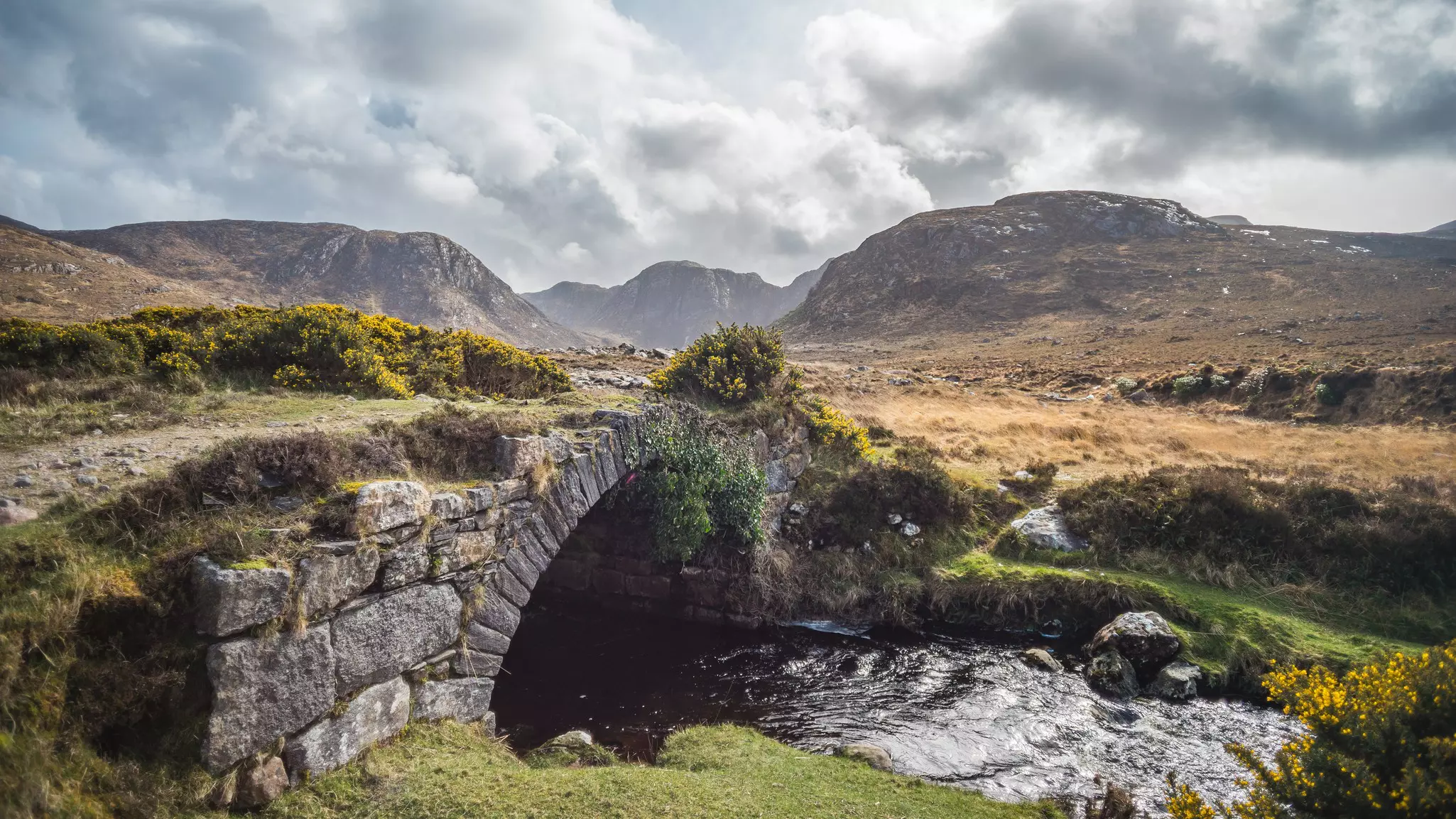
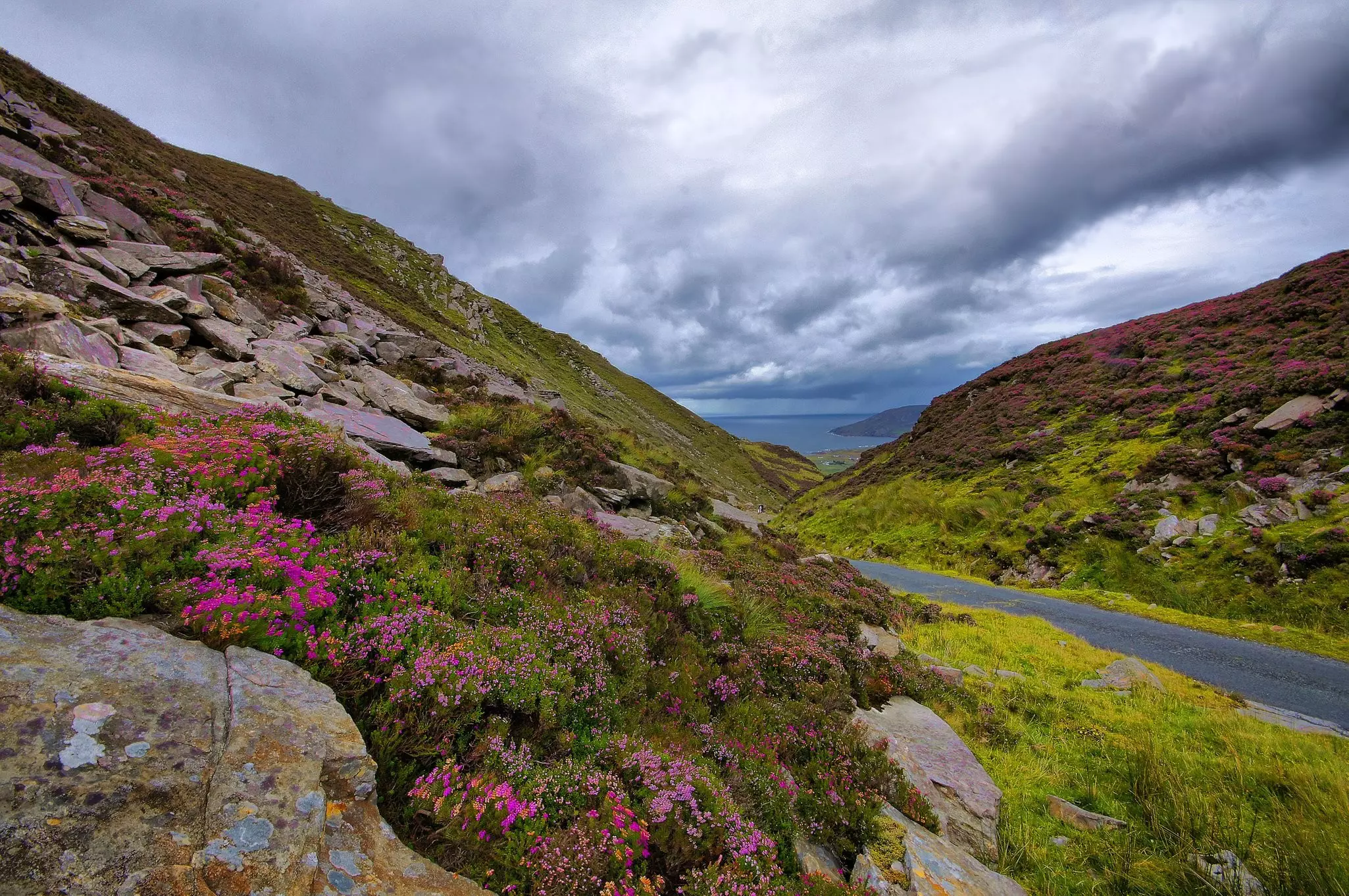
Explore the majestic scenery and barely tamed landscape of Ireland’s remote northwestern corner. This trip prompts diverse sensations: looming Mt Errigal is overwhelming; a horse ride on the beach feels liberating; and driving the high mountain passes is heart-in-the-mouth stuff. Relax on boat trips around Donegal Bay to 600m-high sea cliffs and an island, then encounter international art, Ireland’s traditional industries and piles of hand-cut peat beside the road. On this trip you gain a true insight into delightful Donegal.
This county is often bafflingly overlooked by visitors in favor of more headline-grabbing areas. However, the upside to this is you will frequently have towering cliffs and perfect beaches entirely to yourself. The people are warm and welcoming – don't be surprised if you're planning another trip before you even leave.
It's worth parking the car and taking some time to explore Glenveagh National Park to the north of the county. This 16,500-sq-km wilderness features forests, mountains, shimmering lakes and green-gold bogs, and has some magnificent walking trails. The visitor center provides free maps.
Bustling Buncrana provides a fitting trip finale, courtesy of stunning sunsets; locals will tell you the ones over Lough Swilly are the best around. A path leads beside the water to pint-sized, 1718 Buncrana Castle – it and neighboring O’Doherty’s Keep provide ideal sun-going-down vantage points.
Planning tip: Park on the right of the tiny pier at Inch Island near Buncrana (don't block the fishers' track to the left). Few tourists make it to this compact crescent of sand – it's a place to rest, skim stones and watch the waves.
7. Inishowen Peninsula
Best road trip for remote beauty
Start/Finish: Derry/Buncrana
Approximate distance: 165km
This stunning peninsula is tough to get to, but your effort will be richly rewarded – a trip that isn’t about skimming Ireland’s surface through big-name sights. Instead it’s a route to the heart of the country’s compelling narratives: faith, poverty, mass migration, territorial disputes, the Troubles. With unsigned, cliff-side roads that look more like farm tracks, you’ll probably get a little lost. But locals are helpful if you do – and asking for directions is a great conversation starter.
Inishowen is all about starkly beautiful and unspoilt landscapes, but the journey begins in the historic walled city of Derry, a vibrant and fascinating historical hub on the island. Visit the Tower Museum near the ornate Guildhall and explore the Story of Derry exhibition, where well-thought-out exhibits and audiovisuals lead through the city's history, from the founding of the monastery of St Colmcille in the 6th century to the Battle of the Bogside in the late 1960s.
Head north out of the city along the coast towards Ireland's most northerly point – Malin Head. Hold tight to your belongings, the wind can get pretty wild on this exposed clifftop, but the views are sensational. To the west lies a path leads to Hell’s Hole, a chasm where the incoming waters crash against rock formations. Just to the east of the head sits Ballyhillin Beach, known for its semi-precious stones.
Detour: Venture off the coast road to the Gap of Mamore, a pass in the Urris Hills, before reaching Buncrana. This narrow road has a gradient of 30% and the white-knuckle ascent rewards you with incredible panoramic views when you reach the top. There's a small parking bay opposite a holy well and a statue of the Virgin Mary – you may be inspired to praise the heavens after the somewhat adrenaline-spiking journey.
The East
8. The Boyne Valley
Best road trip for ancient history
Start/Finish: Trim/Monasterboice
Approximate distance: 76km
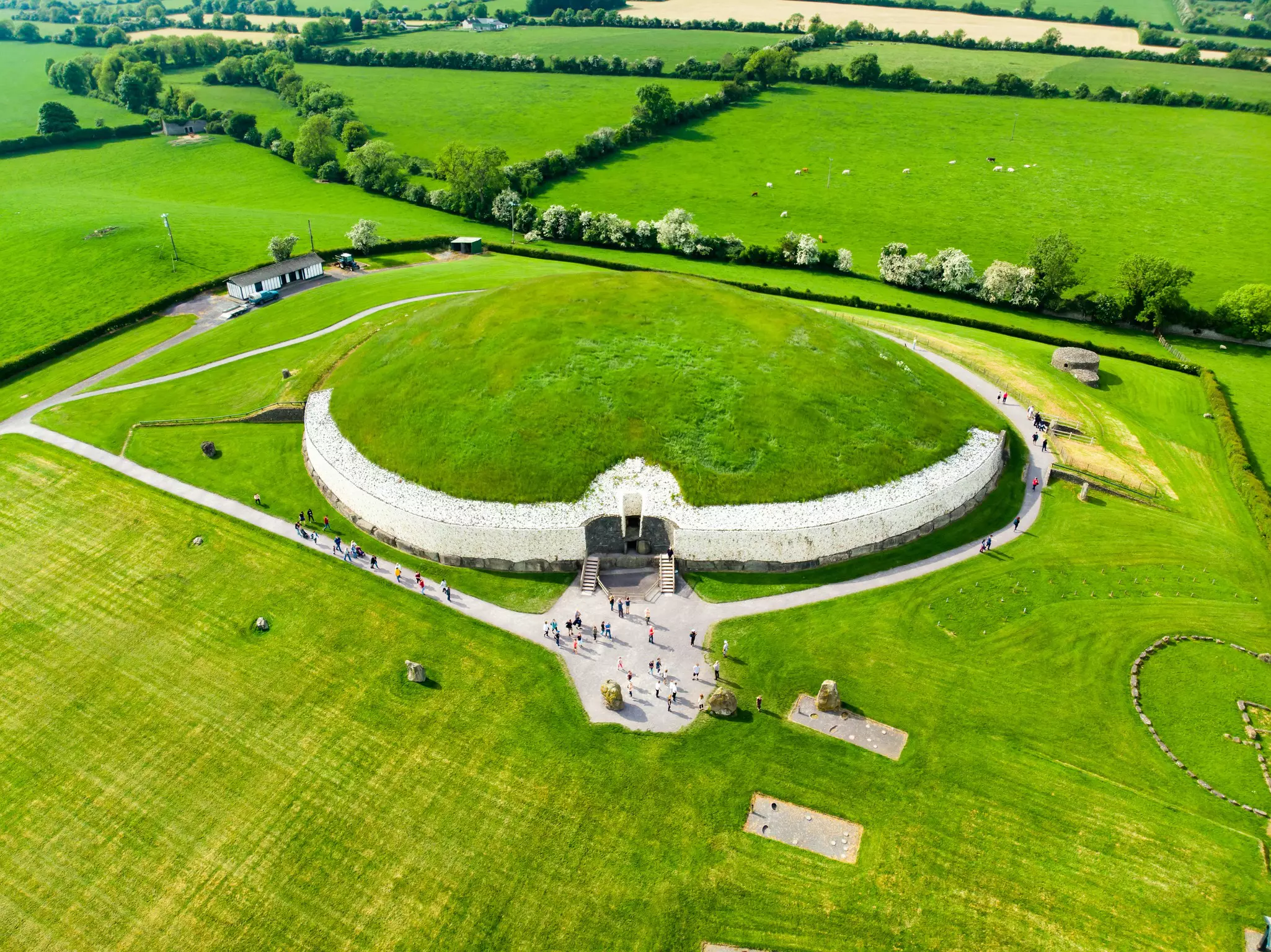
This drive covers Ireland’s most famous prehistoric monument and the markers of its most infamous battle. Only 112km long, the River Boyne isn’t especially impressive, but its valley can lay claim to being Ireland’s most significant historical stage. The breathtaking prehistoric passage tomb complex of Brú na Bóinne is the main highlight, but the remnants of Celtic forts, Norman castles and atmospheric monasteries are but the most obvious clues to the area’s rich and long-standing legacy.
The Hill of Tara is Ireland’s most sacred stretch of turf, an entrance to the underworld, occupying a place at the heart of Irish history, legend and folklore. It was the home of the mystical druids, the priest-rulers of ancient Ireland, who practised their particular form of Celtic paganism under the watchful gaze of the all-powerful goddess Maeve (Medbh).
Later it was the ceremonial capital of the high kings – 142 of them in all – who ruled until the arrival of Christianity in the 6th century. It is also one of the most important ancient sites in Europe, with a Stone Age passage tomb and prehistoric burial mounds that date back 5000 years. Although little remains other than humps and mounds of earth on the hill, its historic and folkloristic significance are immense.
Head northeast to the vast Neolithic necropolis known as Brú na Bóinne, one of the most extraordinary sites in Europe and not to be missed. A thousand years older than Stonehenge, it’s a powerful and evocative testament to the mind-boggling achievements of prehistoric humans. The area consists of many different sites; the three principal ones are Newgrange, Knowth and Dowth, but only the first two are open to visitors, and then only as part of an organised tour, which departs from the Brú na Bóinne Visitor Centre, from where a bus will take you to the tombs.
From here, it's just a short journey along a tiny rural road to the site of the Battle of the Boyne, where the armies of King James II and King William III fought in 1690, and William's victory had a profound impact on Irish history that still lingers today. Stop for a bite to eat in Drogheda before timing your arrival in Monasterboice for sunset – the views from the round tower are a perfect photo opp.
Detour: Rather than zipping north along the M1, opt for the R166 along the coast from Drogheda. It'll take a little longer, but you'll be rewarded with beautiful sea views and charming towns that are worth a wander.
9. Wicklow Mountains
Best road trip for scenic walks
Start/Finish: Enniskerry/Avondale House
Approximate distance: 70km
On this drive, glacial valleys and mountain passes showcase the scenic splendours of the east coast. The itinerary takes you down the spine of the Wicklow Mountains, whose dramatic scenery and weather-whipped bleakness make up for what they lack in height. Along the way, you’ll visit fine Palladian mansions and a beautiful monastic site nestled at the foot of a glacial valley – be prepared to pull over and gawp at the scenery that unfolds.
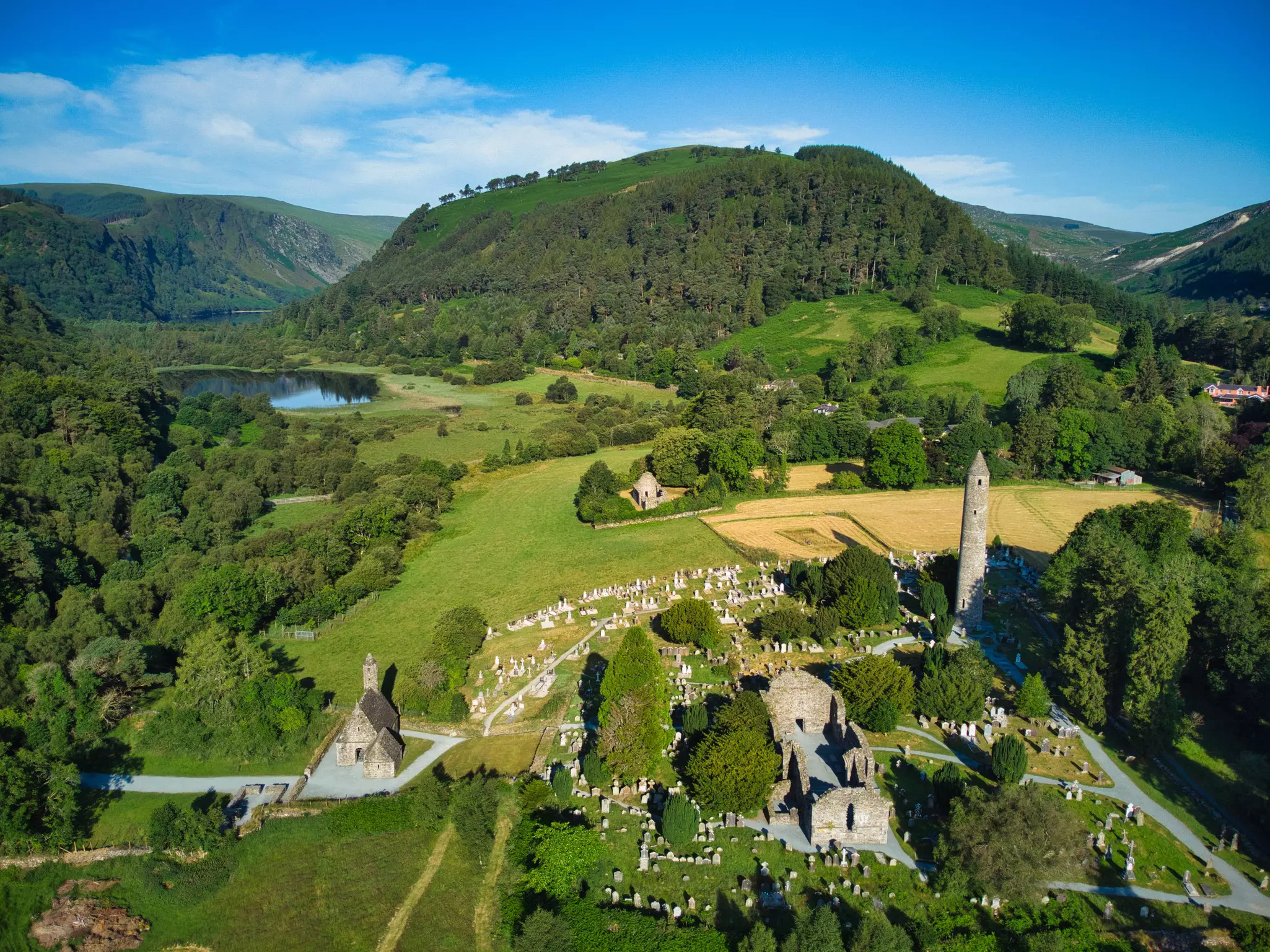
A short journey west of Enniskerry along a narrow road brings you to Glencree, a leafy hamlet set into the side of the valley of the same name, which opens east to give a magnificent view down to Great Sugarloaf Mountain and the sea. The valley floor is home to the Glencree Oak Project, an ambitious plan to reforest park of the area with the native oak vegetation that once covered the majority of the country, but now only covers 1% of Ireland's land mass. Wind your way south along quiet roads with stop-worthy views of mountains and valleys towards Glendalough, County Wicklow's most visited attraction and one of the country's most historic sites.
This monastic city was founded in 498CE by St Kevin who arrived in search of a spot of contemplative tranquility – and boy, did he find it. The ruined churches, buildings, shelters and round tower are evocative, but it's the setting that makes this truly special: two dark and mysterious lakes tucked in a deep valley covered in forest.
Planning tip: Glenadalough Valley is perfect for scenic walks, but a word of warning: don't be fooled by the relative gentleness of the surrounding countryside. The weather can be merciless here, so be sure to take precautions, bring the right equipment, and tell someone where you're going and when you expect to be back.
Advertisement
Take your Ireland trip with Lonely Planet Journeys
Time to book that trip to Ireland
Lonely Planet Journeys takes you there with fully customizable trips to top destinations – all crafted by our local experts.